

法国景点英文介绍有哪些实用攻略?
France, a country renowned for its rich history, art, culture, and stunning landscapes, offers an array of captivating attractions that draw millions of visitors each year. From the iconic Eiffel Tower in Paris to the glamorous beaches of the French Riviera, each destination tells a unique story of France’s heritage and charm. This detailed introduction explores some of the most notable French landmarks, their historical significance, architectural marvels, and cultural relevance, providing a comprehensive guide for travelers seeking to immerse themselves in the essence of France.
One of the most iconic symbols of France is the Eiffel Tower (La Tour Eiffel) in Paris. Designed by Gustave Eiffel and completed in 1889 for the World’s Fair, this iron lattice tower was initially met with criticism but has since become a global icon of romance and engineering prowess. Standing at 330 meters tall, it offers breathtaking panoramic views of Paris from its observation decks. Visitors can ascend via elevator or stairs to experience the tower’s three levels, each featuring restaurants, exhibitions, and historical displays. At night, the tower sparkles with thousands of lights, creating a magical spectacle that enchants locals and tourists alike. A visit to Paris is incomplete without strolling along the Champ de Mars, the park at the tower’s base, or enjoying a Seine River cruise to admire this architectural marvel from a different perspective.
Another gem in Paris is the Louvre Museum (Musée du Louvre), the world’s largest art museum and a historic monument. Originally a royal palace, the Louvre became a public museum in 1793 and now houses over 35,000 works of art, including the renowned Mona Lisa and Venus de Milo. The museum’s glass pyramid entrance, designed by I.M. Pei, contrasts beautifully with its classical architecture, symbolizing the blend of old and new. Visitors can explore vast collections spanning ancient civilizations to the 19th century, with highlights including Egyptian antiquities, Renaissance paintings, and decorative arts. The Louvre’s galleries are organized by department, allowing art enthusiasts to navigate through centuries of human creativity with ease. Beyond its art, the museum’s rich history, which includes serving as a fortress and a palace, adds depth to its cultural significance.
Venturing outside Paris, the Palace of Versailles (Château de Versailles) stands as a testament to the absolute monarchy of the Ancien Régime. Located just 16 kilometers southwest of Paris, this opulent palace was the principal residence of French kings from Louis XIV to Louis XVI. The Hall of Mirrors, with its 357 mirrors reflecting the chandeliers and garden views, is a masterpiece of Baroque architecture and a symbol of royal extravagance. The palace’s gardens, designed by André Le Nôtre, feature meticulously manicured lawns, fountains, and geometric patterns, extending over 800 hectares. Visitors can also explore the Grand Trianon, Marie Antoinette’s Estate, and the estate’s farm, which offer insights into the daily lives of the French royal family. Versailles not only showcases the grandeur of French royalty but also played a pivotal role in key historical events, such as the signing of the Treaty of Versailles, which ended World War I.
In the heart of Provence, the Palais des Papes (Palace of the Popes) in Avignon is a magnificent example of Gothic architecture and a symbol of the papacy’s power in the 14th century. Built between 1335 and 1364, this palace was the residence of seven successive popes during the Avignon Papacy. With its grand halls, chapels, and fortified walls, the palace offers a glimpse into the ecclesiastical and political life of medieval Europe. Visitors can explore the papal apartments, the impressive Great Audience Hall, and the stunning frescoes by Matteo Giovannetti. The adjacent Pont d’Avignon, a medieval bridge, adds to the site’s historical allure, famously referenced in the children’s song Sur le pont d’Avignon. Avignon itself, with its well-preserved medieval walls and vibrant arts scene, is a must-visit destination for history and culture enthusiasts.
Moving to the French Riviera, Nice and its famous Promenade des Anglais (Promenade of the English) epitomize the region’s glamour and beauty. This seaside promenade, with its distinctive blue chairs and views of the Mediterranean Sea, has been a beloved destination for aristocrats and tourists since the 18th century. Nice’s Old Town (Vieux Nice) offers a charming contrast with its narrow cobblestone streets, colorful buildings, and bustling markets, where visitors can sample local specialties such as socca (a chickpea pancake) and pissaladière (onion tart). The city’s mild climate, stunning coastline, and vibrant cultural scene, including the annual Nice Carnival and the Musée Matisse, make it a year-round destination.
Further along the Riviera, the city of Cannes is synonymous with luxury and the world-famous Cannes Film Festival. The Palais des Festivals et des Congrès, where the festival is held, is a modern architectural landmark that hosts international events year-round. Beyond the glitz, Cannes offers beautiful beaches, upscale shopping on Rue d’Antibes, and the charming Le Suquet district, with its panoramic views of the Bay of Cannes. A short boat ride away, the Lérins Islands (Îles de Lérins) provide a tranquil escape, with their lush landscapes and historic monasteries, including the Île Sainte-Marguerite, once home to the Man in the Iron Mask.
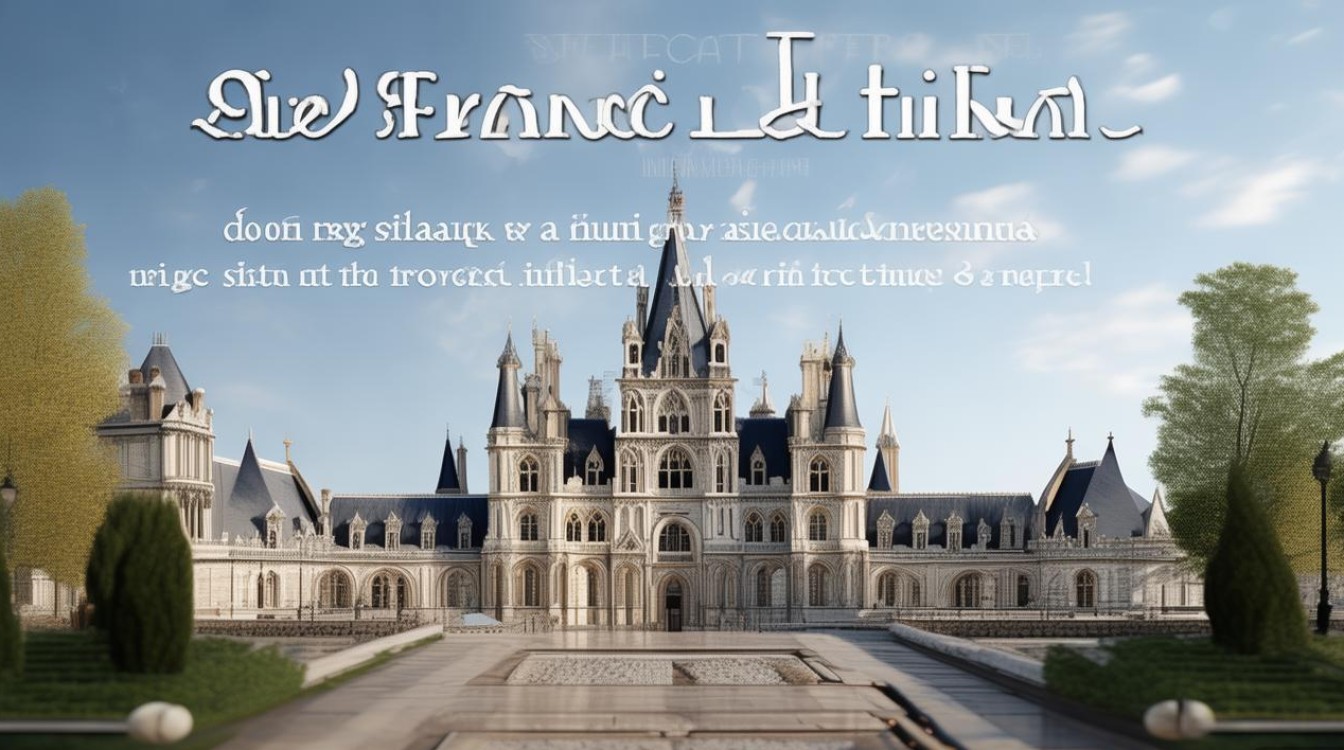
In the Loire Valley, often referred to as the “Garden of France,” the Château de Chambord stands as a masterpiece of French Renaissance architecture. Built as a hunting lodge for King Francis I in the 16th century, this château is renowned for its distinctive French design, with intricate roofline sculptures, a grand double-helix staircase, and vast grounds surrounded by a forest. The château’s blend of French and Italian architectural styles reflects the cultural exchange of the Renaissance era. Visitors can explore the opulent state apartments, the chapel, and the expansive gardens, which offer a peaceful setting for picnics and leisurely walks. The Loire Valley is home to over 300 châteaux, each with its own unique history and architectural features, making it a paradise for history and architecture lovers.
In the southwestern region of France, the Mont-Saint-Michel is a breathtaking island commune known for its stunning Gothic abbey perched on a rocky tidal island. Connected to the mainland by a causeway, this UNESCO World Heritage Site has been a place of pilgrimage for centuries. The abbey, dedicated to the Archangel Michael, is a marvel of medieval architecture, with its towering spires and intricate cloisters. Visitors can wander through the narrow, winding streets of the medieval village, climb the abbey’s ramparts for panoramic views of the bay, and witness the dramatic tides that surround the island. Mont-Saint-Michel’s unique location and rich history make it one of France’s most visited and photographed landmarks.
For nature enthusiasts, the Verdon Gorge (Gorges du Verdon) in southeastern France is often called Europe’s most beautiful canyon. Carved by the Verdon River, this stunning natural wonder features dramatic limestone cliffs, turquoise waters, and scenic viewpoints along its 25-kilometer length. The canyon is a paradise for outdoor activities, including hiking, kayaking, rock climbing, and paragliding. The village of Moustiers-Sainte-Marie, nestled at the canyon’s edge, is famous for its pottery and stunning backdrop of cliffs. The nearby Lac de Sainte-Croix offers opportunities for swimming, sailing, and cycling, making the Verdon Gorge a must-visit destination for adventure seekers and nature lovers alike.
In the Alsace region, the Strasbourg Cathedral (Cathédrale Notre-Dame de Strasbourg) is a masterpiece of Gothic architecture and a symbol of the region’s Franco-German heritage. Construction began in 1015, and the cathedral’s 142-meter spire was the world’s tallest building until 1874. The cathedral’s intricate façade, stained-glass windows, and astronomical clock are highlights for visitors. Strasbourg itself, with its picturesque half-timbered houses, canals, and the picturesque La Petite France district, offers a blend of French and Alsatian culture. The city’s Christmas market, one of the oldest and most festive in Europe, attracts visitors from around the world during the holiday season.
Finally, the D-Day Landing Beaches in Normandy offer a poignant reminder of World War II’s significance. The beaches of Omaha, Utah, Juno, Sword, and Gold were the sites of the Allied invasion on June 6, 1944, a turning point in the war. Visitors can explore the museums, memorials, and cemeteries that honor the soldiers who lost their lives, including the American Cemetery at Colleville-sur-Mer. The Peace Memorial in Caen provides a comprehensive overview of the war, while the remnants of the Mulberry Harbor in Arromanches stand as a testament to the engineering feats of the Allied forces. A visit to these beaches is a moving experience that underscores the importance of peace and remembrance.
To summarize, France’s diverse attractions offer something for every traveler, from iconic landmarks and historic palaces to natural wonders and cultural treasures. Whether exploring the art-filled museums of Paris, the opulent châteaux of the Loire Valley, or the stunning landscapes of the French Riviera, visitors are sure to be enchanted by France’s beauty and rich heritage.
FAQs
-
What is the best time to visit France?
The best time to visit France is during the spring (April to June) and fall (September to October) when the weather is mild, and tourist crowds are smaller. Summer (July to August) is peak season, with warm weather and vibrant festivals, but it can be crowded and expensive. Winter (November to March) is ideal for skiing in the Alps or Christmas markets in cities like Strasbourg and Paris, though some attractions may have reduced hours. -
How can I avoid long lines at popular French attractions like the Eiffel Tower and Louvre?
To avoid long lines, book tickets online in advance, especially for the Eiffel Tower and Louvre, as this allows you to skip the ticket queue. Visiting popular attractions early in the morning or late in the afternoon can also help reduce wait times. Additionally, consider purchasing a Paris Museum Pass, which provides skip-the-line access to many attractions and includes unlimited public transportation in Paris.
版权声明:本文由 数字洲食旅 发布,如需转载请注明出处。















 冀ICP备2021017634号-11
 冀公网安备13062802000116号