

杭州景点介绍英语,有哪些实用攻略能快速掌握?
Hangzhou, the capital of Zhejiang Province in eastern China, is a city renowned for its breathtaking natural landscapes, profound cultural heritage, and harmonious blend of tradition and modernity. Often referred to as "Paradise on Earth," this historic city has captivated visitors for centuries with its serene West Lake, ancient temples, and vibrant tea culture. Whether you're a history enthusiast, a nature lover, or a foodie, Hangzhou offers a diverse array of attractions that promise an unforgettable travel experience.
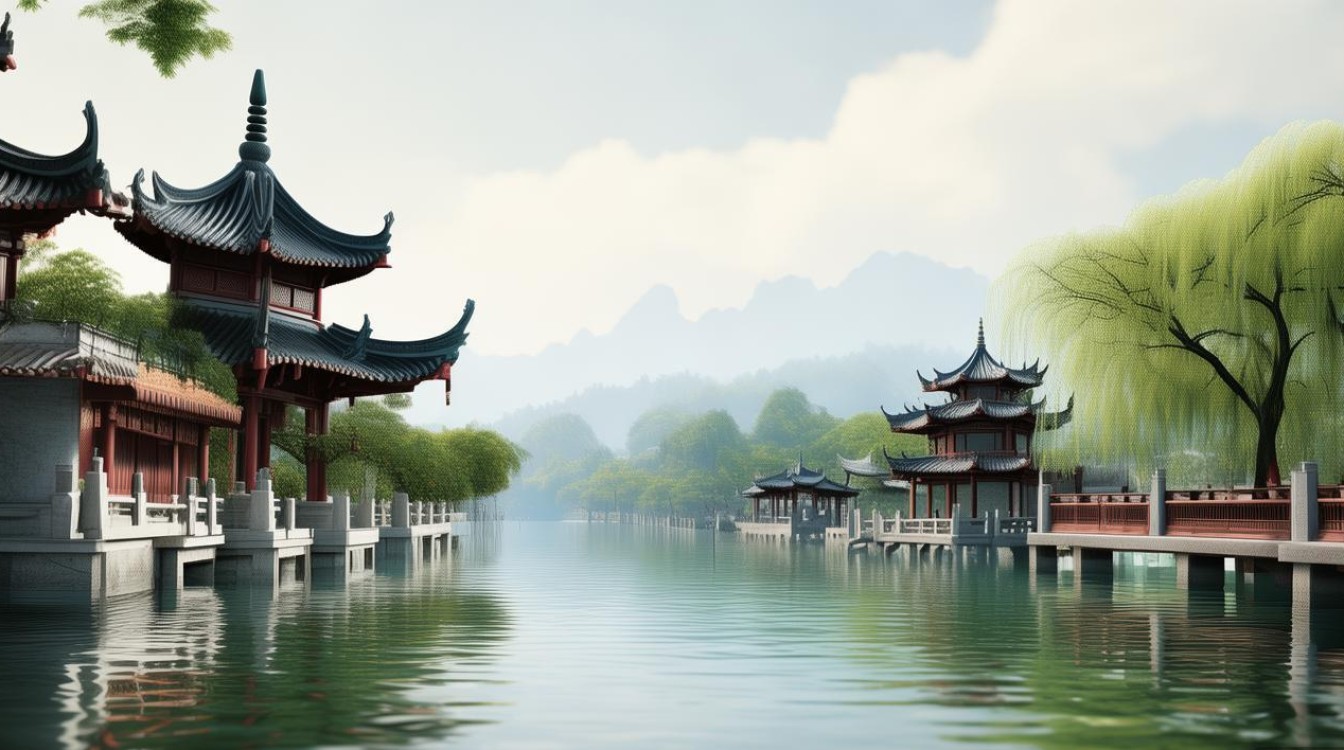
West Lake, the crown jewel of Hangzhou, is a UNESCO World Heritage Site and the inspiration for countless poems, paintings, and legends. Spanning an area of 6.5 square kilometers, the lake is surrounded by lush hills, ornate pavilions, and tree-lined walkways, creating a picturesque scene that changes with the seasons. One of the best ways to explore West Lake is by taking a leisurely boat ride, allowing you to admire iconic landmarks such as the Three Ponds Mirroring the Moon, Su Causeway, and Bai Causeway. Su Causeway, a 2.8-kilometer-long dike built during the Song Dynasty, is particularly stunning in spring when peach and willow trees line its path, forming a tunnel of pink and green. For a panoramic view of the lake, head to Leifeng Pagoda, a five-story structure originally built in the 10th century. Though it collapsed in 1924, the pagoda was reconstructed in 2002 and now offers an observation deck with sweeping vistas of the lake and the city skyline.
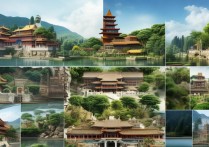
Beyond West Lake, Hangzhou boasts a rich cultural and spiritual heritage. Lingyin Temple, one of China's most famous Buddhist temples, is a must-visit for history and architecture buffs. Founded in 328 AD during the Eastern Jin Dynasty, the temple is nestled at the foot of Feilai Peak and is home to numerous stone carvings and ancient halls. The main hall, featuring a 20-meter-tall statue of Sakyamuni Buddha, is a masterpiece of traditional Chinese architecture. Nearby, the Feilai Peak is adorned with hundreds of Buddhist rock carvings dating back to the 10th to 14th centuries, each telling a unique story. Another spiritual site is Jingci Temple, located on the southern shore of West Lake. Known for its iconic seven-story octagonal pagoda, Jingci Temple offers a tranquil escape from the bustling city, with its serene gardens and chanting monks creating a peaceful atmosphere.
Hangzhou is also synonymous with tea culture, and no visit is complete without exploring its renowned tea plantations. Longjing Village, or "Dragon Well," is the birthplace of Longjing tea, one of China's most famous green teas. The village's rolling hills are covered in neat rows of tea bushes, and visitors can participate in tea-picking experiences during the spring harvest season. At a local teahouse, you can savor freshly brewed Longjing tea while learning about the intricate process of its production, from plucking the tender leaves to pan-frying them to lock in their flavor. For a deeper dive into tea culture, visit the National Tea Museum, China's only national museum dedicated to tea. The museum's exhibits trace the history of tea cultivation in China, display ancient tea sets, and even offer tea-tasting sessions.
For those interested in history and imperial architecture, the Former Residence of Hu Xueyan is a fascinating destination. This well-preserved 19th-century mansion was once home to Hu Xueyan, a wealthy merchant and philanthropist. The complex features traditional wooden structures, elegant gardens, and detailed carvings, providing a glimpse into the life of the affluent during the late Qing Dynasty. Another historical gem is the Grand Canal, the longest artificial river in the world. Hangzhou is the southern terminus of this ancient waterway, which dates back to the 5th century BC. A cruise along the canal allows you to see historic bridges, bustling waterfront markets, and traditional warehouses that have stood for centuries.
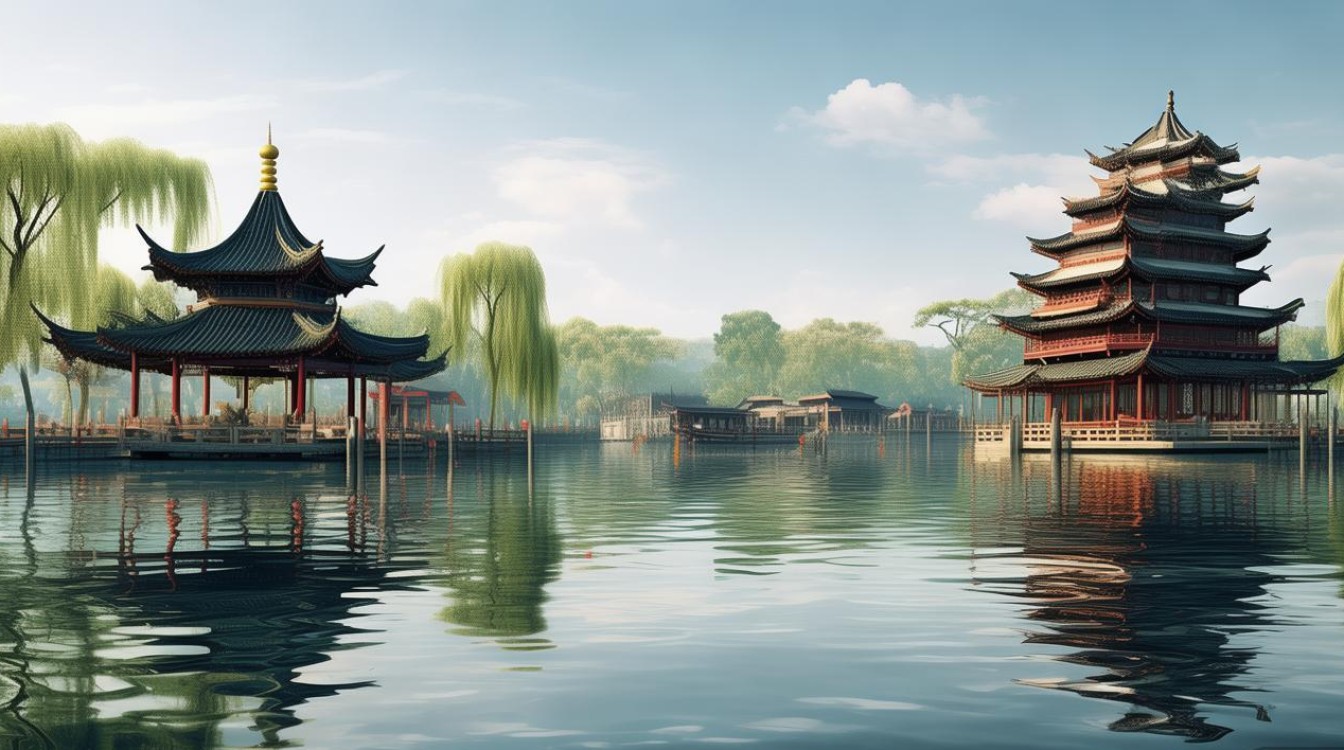
In addition to its historical and cultural attractions, Hangzhou is a modern city with a vibrant arts and culinary scene. The Xixi National Wetland Park, China's first national wetland park, offers a perfect blend of nature and modern design. With its winding waterways, lush wetlands, and traditional villages, the park is ideal for a relaxing day of boating, bird-watching, or exploring its cultural exhibits. For art lovers, the Zhejiang Art Museum and the China National Silk Museum showcase a diverse collection of traditional and contemporary works. When it comes to food, Hangzhou's cuisine is a highlight, with dishes such as Dongpo Pork, West Lake Fish in Vinegar Gravy, and Longjing Shrimp tantalizing your taste buds. The city's bustling food streets, such as Hefang Street and Qinghefang Ancient Street, are great places to sample local snacks and delicacies.
To help you plan your visit, here is a table of some of Hangzhou's top attractions, along with their highlights and recommended visiting times:
| Attraction | Highlights | Best Time to Visit |
|---|---|---|
| West Lake | Su Causeway, Leifeng Pagoda, Three Ponds Mirroring the Moon | Spring (Mar-May), Autumn (Sep-Nov) |
| Lingyin Temple | Ancient Buddhist carvings, Sakyamuni Buddha Hall | Year-round, avoid peak holidays |
| Longjing Village | Tea plantations, tea-picking experiences, teahouses | Spring (Mar-Apr) for harvest |
| Former Residence of Hu Xueyan | Traditional architecture, historical artifacts, elegant gardens | Year-round |
| Xixi National Wetland Park | Wetland landscapes, boat rides, cultural exhibits | Spring and Summer |
Hangzhou's unique charm lies in its ability to seamlessly blend the old with the new. Whether you're wandering through the ancient streets of Qinghefang, admiring the modern skyline from the top of the Canton Tower, or sipping tea by the tranquil waters of West Lake, you'll find something to delight every sense. As you explore this city, you'll understand why it has been celebrated as a paradise for centuries and continues to enchant visitors from around the world.
FAQs
-
What is the best time of year to visit Hangzhou?
The best times to visit Hangzhou are spring (March to May) and autumn (September to November). During these seasons, the weather is mild and pleasant, with comfortable temperatures ideal for outdoor activities. Spring brings blooming flowers and lush greenery, making it perfect for exploring West Lake and tea plantations. Autumn offers clear skies and vibrant foliage, creating stunning scenery for photography. Summer (June to August) can be hot and humid, with occasional rain, while winter (December to February) is cool but less crowded, offering a peaceful experience with occasional snow covering the landscape. -
How can I get around Hangzhou efficiently?
Hangzhou has an efficient and well-connected public transportation system. The metro is the fastest way to travel between major attractions, with lines covering key areas like West Lake, Lingyin Temple, and the East Railway Station. Buses are also extensive and affordable, though they may be slower during peak hours. For shorter distances or a more scenic experience, consider renting a bicycle or taking a taxi/ride-hailing service. Taxis are readily available, and apps like Didi (China's equivalent of Uber) are convenient and reliable. Additionally, electric scooters are popular for short trips, but be sure to follow local traffic regulations if you choose to ride one.
版权声明:本文由 数字洲食旅 发布,如需转载请注明出处。







 冀ICP备2021017634号-11
 冀公网安备13062802000116号