

巴西景点英文名字有哪些?热门景点英文介绍怎么查?
Brazil, a country of vibrant culture, stunning landscapes, and rich history, offers a diverse array of attractions that captivate travelers from around the globe. From the iconic Christ the Redeemer statue overlooking Rio de Janeiro to the lush Amazon Rainforest and the stunning Iguazu Falls, Brazil’s landmarks are as varied as its ecosystems. For tourists and adventurers alike, exploring these sites in their original English names not only aids in navigation but also deepens the understanding of their global significance. Below is a detailed overview of some of Brazil’s most renowned attractions, complete with their English names, descriptions, and key details.
Natural Wonders
-
Christ the Redeemer (Cristo Redentor)
Perched atop Corcovado Mountain in Rio de Janeiro, this 30-meter-tall Art Deco statue is one of the New Seven Wonders of the World. Designed by French sculptor Paul Landowski and completed in 1931, it overlooks the city with outstretched arms, symbolizing peace and Christianity. Visitors can reach the summit via the Corcovado Rack Railway, which offers breathtaking views of Rio’s coastline and urban sprawl. The statue’s illuminated silhouette against the night sky is an unforgettable sight. -
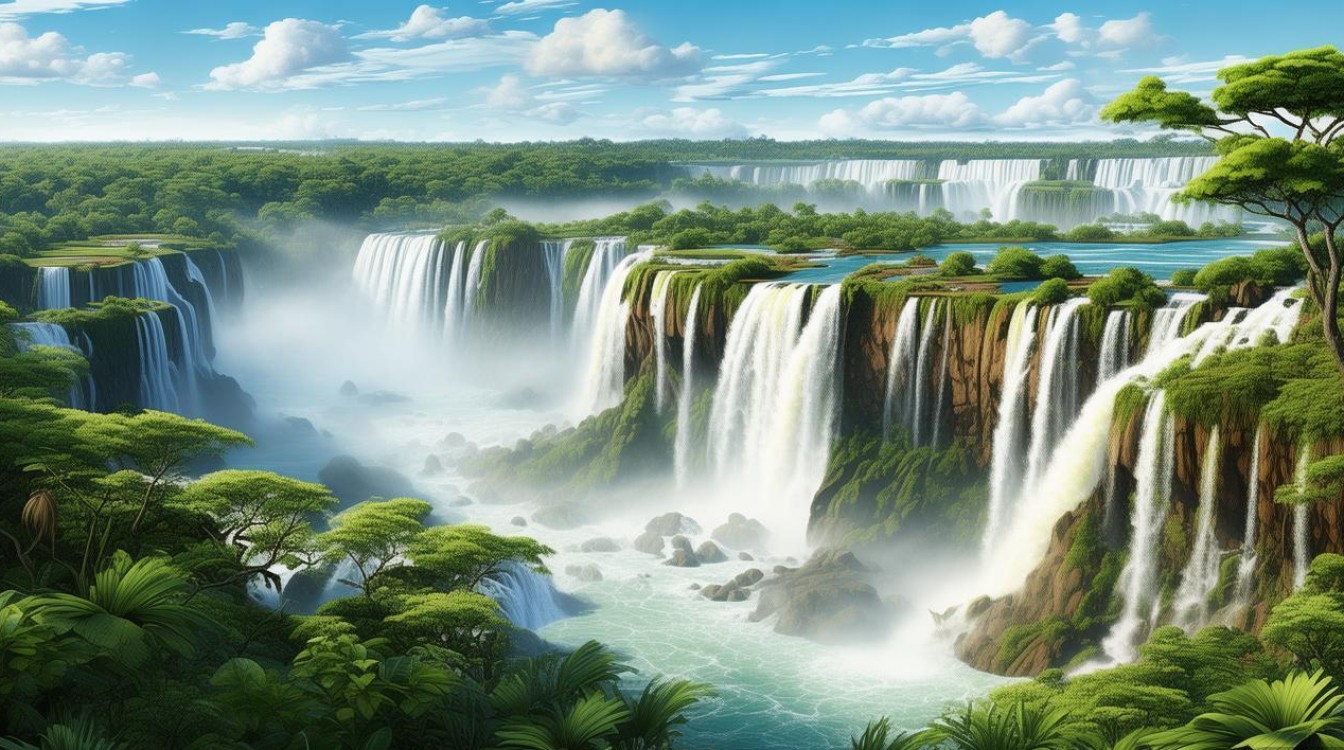
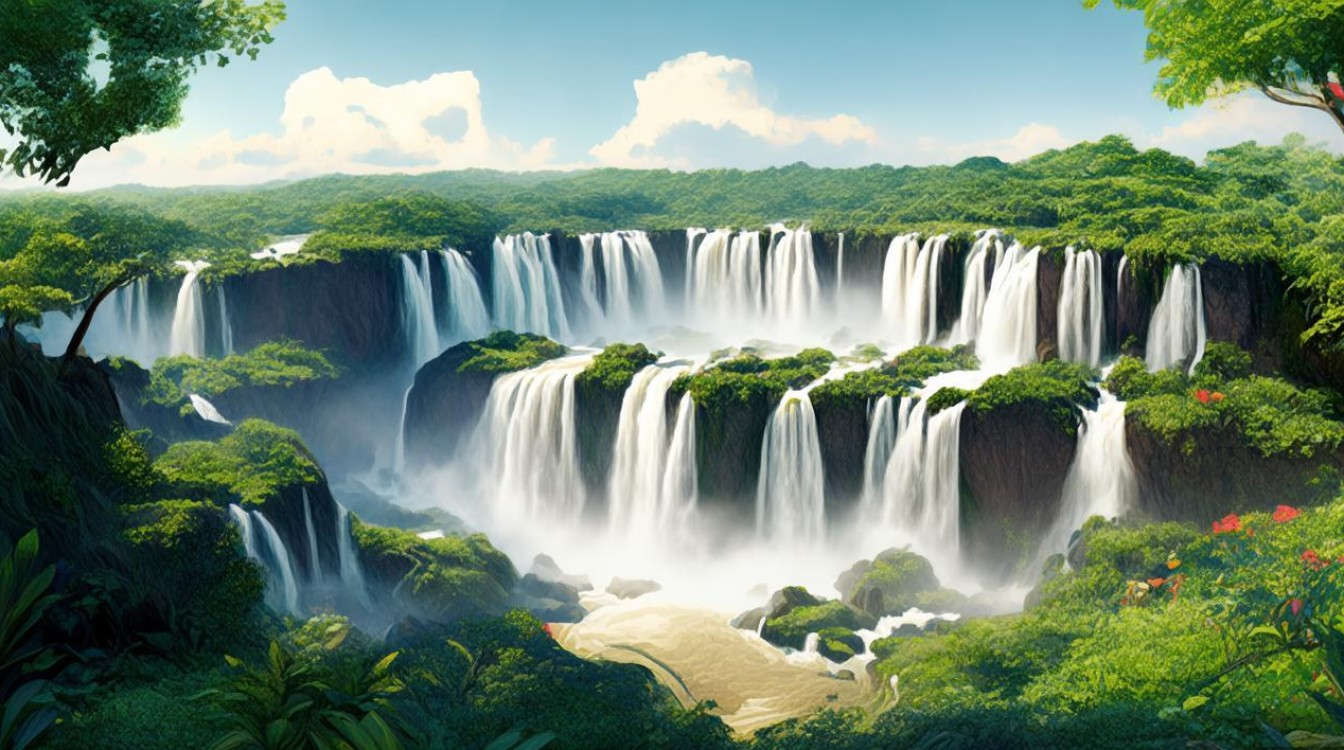
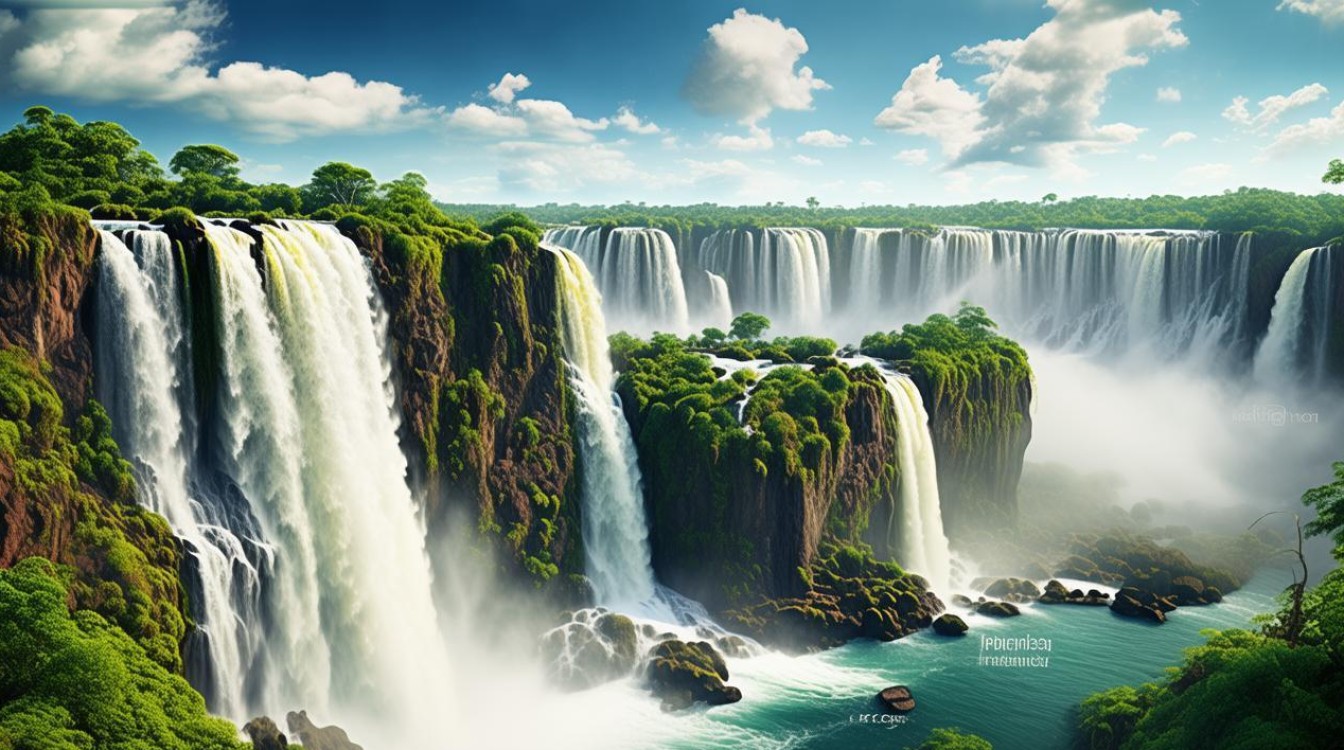
Iguazu Falls (Cataratas do Iguaçu)
Straddling the border between Brazil and Argentina, Iguazu Falls is one of the world’s most spectacular waterfalls. The Brazilian side provides panoramic views of the 275 cascades, including the iconic Devil’s Throat (Garganta do Diabo), where water plummets 82 meters into the abyss. The surrounding national park, a UNESCO World Heritage Site, is home to diverse wildlife, including toucans, capybaras, and jaguars. For thrill-seekers, boat tours that venture close to the falls offer an adrenaline-pumping experience. -
Amazon Rainforest (Amazônia)
Covering nearly 60% of Brazil’s territory, the Amazon is the largest tropical rainforest in the world. Manaus, the gateway to the Amazon, serves as a base for expeditions into the dense jungle. Here, visitors can spot pink river dolphins, explore treetop canopies via suspension bridges, and learn about indigenous cultures. The Meeting of the Waters (Encontro das Águas), where the dark Rio Negro meets the sandy Solimões River without mixing, is a natural phenomenon not to be missed. -
Pantanal Matogrossense
Often overshadowed by the Amazon, the Pantanal is the world’s largest tropical wetland, renowned for its incredible biodiversity. This vast region is a haven for wildlife enthusiasts, offering opportunities to spot jaguars, giant otters, and hundreds of bird species. Horseback riding, boat safaris, and guided nature walks are popular activities, especially during the dry season (May to September), when animals gather around shrinking water sources.
Cultural and Historical Sites
-
Pelourinho, Salvador
A UNESCO World Heritage Site, Pelourinho is the historic center of Salvador, the capital of Bahia. Its cobblestone streets are lined with pastel-colored colonial buildings, baroque churches, and lively squares. Once the hub of Brazil’s slave trade, the area now pulsates with Afro-Brazilian culture, evident in its capoeira performances, traditional cuisine, and music. The São Francisco Church and Convent, with its gold-leaf interior, is a must-visit.
-
Ouro Preto
Nestled in the Minas Gerais mountains, Ouro Preto is a well-preserved colonial town that was a thriving gold mining hub in the 18th century. Its baroque architecture, including the stunning São Francisco de Assis Church designed by Aleijadinho, earned it a place on the UNESCO list. Visitors can explore underground mines, such as the Mina da Passagem, or wander through the town’s narrow streets, admiring intricate sculptures and hidden plazas. -
Lençóis Maranhenses National Park
Often called the “Lençóis” (bedsheets) due to its vast, rolling sand dunes, this national park in northeastern Brazil is a surreal landscape. During the rainy season (January to June), the dunes fill with crystal-clear lagoons, creating a paradise for swimming and photography. The nearby fishing village of Barreirinhas serves as a base for tours, including boat trips along the Preguiças River to spot mangroves and capybaras.
Modern and Urban Attractions
-
São Paulo Museum of Art (MASP)
Located in São Paulo’s bustling Avenida Paulista, MASP is one of Latin America’s most important art museums. Its iconic red concrete structure, suspended above the ground, houses a vast collection of European and Brazilian art, including works by Picasso, Van Gogh, and Portinari. The museum’s transparent gallery walls and cultural events make it a hub for art lovers. -
Copacabana Beach, Rio de Janeiro
Stretching for 4 kilometers along Rio’s coastline, Copacabana is one of the world’s most famous beaches. Its vibrant promenade, lined with hotels, bars, and restaurants, is a hub of activity, from sunbathing and samba dancing to beach volleyball. The beach’s New Year’s Eve celebration, featuring a spectacular fireworks display, attracts millions of revelers each year.
Key Attractions Overview
| Attraction | Location | Highlight | Best Time to Visit |
|---|---|---|---|
| Christ the Redeemer | Rio de Janeiro | Iconic statue with city views | Year-round (dry season: May-Sep) |
| Iguazu Falls | Border of Brazil/Argentina | Panoramic views of Devil’s Throat | Aug-Nov (lower water levels) |
| Amazon Rainforest | Manaus, Amazonas | Wildlife spotting and jungle expeditions | Jul-Dec (dry season) |
| Pantanal Matogrossense | Mato Grosso | Jaguar sightings and wetland safaris | May-Sep (dry season) |
| Pelourinho | Salvador, Bahia | Colonial architecture and Afro-Brazilian culture | May-Sep (cooler, drier) |
| Lençóis Maranhenses | Maranhão | Sand dunes and seasonal lagoons | Jan-Jun (rainy season) |
FAQs
Q1: What is the best way to explore the Amazon Rainforest as a tourist?
A1: The most common way to explore the Amazon is by staying at an eco-lodge near Manaus or taking a river cruise. Eco-lodges offer guided jungle treks, wildlife spotting, and cultural interactions with local communities. River cruises, such as those along the Rio Negro, provide a more immersive experience, with activities like piranha fishing and night expeditions. It’s advisable to choose operators with sustainable practices to minimize environmental impact.
Q2: Are there any safety tips for visiting Brazil’s popular attractions?
A2: While Brazil’s attractions are generally safe for tourists, it’s important to stay vigilant. In cities like Rio de Janeiro, avoid displaying valuables and use registered taxis or ride-sharing apps. In natural areas like the Pantanal or Amazon, always go with a licensed guide to navigate wildlife and terrain safely. Additionally, stay hydrated, use sunscreen, and respect local customs, especially in indigenous communities.
Brazil’s blend of natural wonders, rich history, and vibrant culture makes it a destination like no other. Whether marveling at the Christ the Redeemer, trekking through the Amazon, or dancing in Salvador’s streets, visitors are sure to create unforgettable memories in this captivating country.
版权声明:本文由 数字洲食旅 发布,如需转载请注明出处。
















 冀ICP备2021017634号-11
 冀公网安备13062802000116号