

意大利景点英文怎么说?常见景点名称英文对照有哪些?
Italy, a country steeped in history, art, and breathtaking landscapes, is a dream destination for travelers seeking a blend of ancient wonders and modern charm. From the romantic canals of Venice to the ancient ruins of Rome, and the rolling hills of Tuscany to the glamorous Amalfi Coast, Italy offers an unparalleled travel experience. This guide explores some of the most iconic Italian attractions, providing detailed insights into their historical significance, cultural relevance, and practical information for visitors.
The Eternal City: Rome
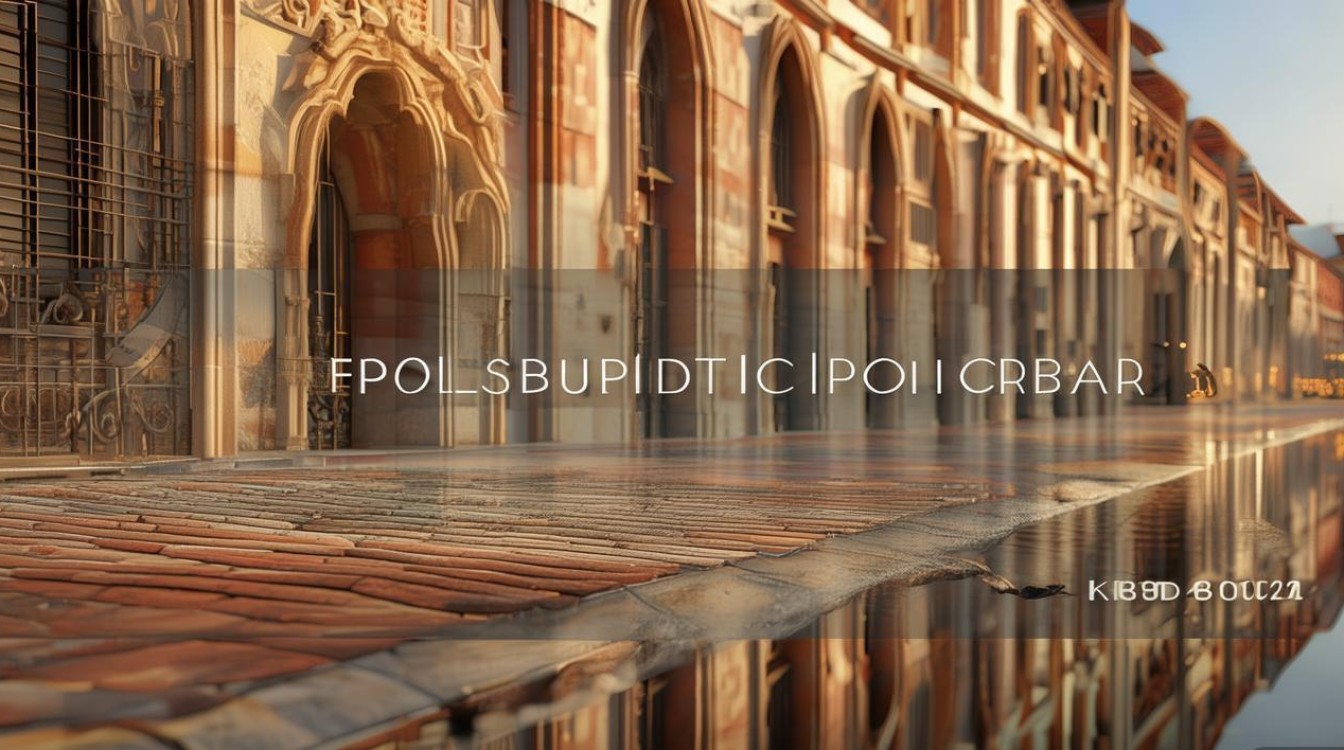
Rome, the capital of Italy, is a living museum where every corner tells a story. The city’s rich history spans over 2,500 years, from the Roman Empire to the Renaissance, and its landmarks are a testament to its glorious past.
The Colosseum (Colosseo) is perhaps the most recognizable symbol of ancient Rome. This amphitheater, built in 70-80 AD, once hosted gladiatorial contests, public spectacles, and drama performances. With a seating capacity of up to 80,000, it was the largest amphitheater ever built. Visitors can explore the underground chambers where gladiators and animals were kept, and imagine the roar of the crowds that once filled its tiers. Nearby, the Roman Forum (Foro Romano) offers a glimpse into the political and commercial heart of ancient Rome, with ruins of temples, basilicas, and arches dating back to the 7th century BC.
A short walk from the Colosseum is the Pantheon, a marvel of Roman engineering. Originally built as a temple to all gods, its most striking feature is the massive dome, with an oculus at the top that allows natural light to flood the interior. The Pantheon’s architectural innovation has inspired buildings for centuries, including the dome of St. Peter’s Basilica.
No visit to Rome is complete without a trip to Vatican City, the smallest independent state in the world. St. Peter’s Basilica (Basilica di San Pietro), with its iconic dome designed by Michelangelo, is a masterpiece of Renaissance architecture. Inside, visitors can admire artworks by Bernini and Michelangelo, including the stunning Pietà. The Vatican Museums (Musei Vaticani) house an extensive collection of art and artifacts, culminating in the Sistine Chapel, where Michelangelo’s ceiling frescoes depict scenes from the Book of Genesis.
For art lovers, the Trevi Fountain (Fontana di Trevi) is a must-see. This Baroque masterpiece, designed by Nicola Salvi, depicts the sea god Neptune in his chariot, surrounded by Tritons and horses. Tradition holds that throwing a coin into the fountain ensures a return to Rome, making it one of the most visited fountains in the world.
The Floating City: Venice
Venice, with its labyrinthine canals, ornate palaces, and romantic ambiance, is unlike any other city in the world. Built on more than 100 small islands in the Venetian Lagoon, it is a masterpiece of medieval engineering.
The Grand Canal (Canale Grande), the city’s main waterway, is lined with stunning palaces, churches, and bridges. A vaporetto (water bus) ride along the canal offers a glimpse into Venice’s architectural splendor, with highlights including the Ca’ d’Oro, a Gothic palace with intricate marble facades, and the Rialto Bridge (Ponte di Rialto), an iconic stone bridge that once housed the city’s market.
St. Mark’s Square (Piazza San Marco), the heart of Venice, is surrounded by architectural marvels. The Basilica di San Marco, with its golden mosaics and Byzantine domes, is a symbol of Venice’s wealth and power. The adjacent Doge’s Palace (Palazzo Ducale), once the residence of the Doge (Venice’s ruler), now houses a museum with opulent rooms and works by artists like Titian. From the palace’s rooftop, visitors can enjoy panoramic views of the lagoon.
For a unique perspective of Venice, take a gondola ride through the smaller canals, gliding under picturesque bridges past historic buildings. Alternatively, visit the Island of Murano, famous for its glassblowing industry, or Burano, known for its colorful fishermen’s houses and lace-making tradition.
The Renaissance Florence: Florence
Florence, the birthplace of the Renaissance, is a city of art, history, and innovation. Its streets are lined with world-class museums, stunning architecture, and charming piazzas.
The Duomo di Firenze (Florence Cathedral), with its iconic red-tiled dome designed by Filippo Brunelleschi, dominates the city’s skyline. Visitors can climb to the top of the dome for breathtaking views of Florence. Adjacent to the cathedral is the Giotto’s Bell Tower (Campanile di Giotto), a masterpiece of Gothic architecture with intricate marble reliefs.
The Uffizi Gallery (Galleria degli Uffizi) is one of the oldest and most famous art museums in the world, housing works by Renaissance masters such as Botticelli, Leonardo da Vinci, and Michelangelo. The gallery’s collection spans from the Middle Ages to the Baroque period, making it a must-visit for art enthusiasts.
Another highlight is the Ponte Vecchio, a medieval bridge lined with shops, originally butchers and now jewelers and art dealers. The bridge offers stunning views of the Arno River and is especially magical at sunset. For a peaceful escape, visit the Boboli Gardens (Giardino di Boboli), a beautiful Renaissance garden behind the Pitti Palace, with fountains, sculptures, and panoramic viewpoints.
The Amalfi Coast: Positano and Ravello
The Amalfi Coast, a stretch of coastline in southern Italy, is renowned for its dramatic cliffs, colorful villages, and crystal-clear waters. Positano, with its pastel-colored houses cascading down to the sea, is the most famous of the coastal towns. Its narrow streets, boutique shops, and pebble beaches make it a favorite among travelers seeking relaxation and luxury.
Further along the coast, Ravello offers a more tranquil experience perched high above the sea. The Villa Rufolo, with its stunning gardens, inspired the composer Wagner, who wrote part of his opera Parsifal here. The Villa Cimbrone, with its famous Terrace of Infinity, offers breathtaking views of the coastline.
The Ancient Ruins: Pompeii and Herculaneum
For history enthusiasts, a visit to Pompeii and Herculaneum is a must. These ancient Roman cities were buried under ash and pumice when Mount Vesuvius erupted in 79 AD, preserving them in remarkable detail. Pompeii, the larger of the two, features well-preserved streets, villas, and public buildings, including the Forum, the Amphitheater, and the Villa of the Mysteries with its stunning frescoes. Herculaneum, though smaller, offers a more intimate glimpse into daily Roman life, with wooden structures and even food remains preserved in the volcanic ash.
The Tuscan Countryside: Siena and San Gimignano
Tuscany is synonymous with rolling hills, vineyards, and medieval towns. Siena, a UNESCO World Heritage site, is known for its well-preserved medieval architecture and the famous Piazza del Campo, a shell-shaped square where the Palio, a horse race, is held twice a year. The Siena Cathedral (Duomo di Siena) is a masterpiece of Gothic architecture, with black-and-white marble stripes and a stunning floor decorated with intricate mosaics.
Nearby, San Gimignano is a medieval town famous for its towers, which once numbered over 70 but now stand as a testament to the town’s former wealth. The Piazza della Cisterna and Piazza del Duomo are the main squares, surrounded by historic buildings and towers.
The Table: Top Italian Attractions Overview
| Attraction | Location | Key Features | Best Time to Visit |
|---|---|---|---|
| Colosseum | Rome | Ancient amphitheater, gladiatorial history | Spring/Fall |
| Grand Canal | Venice | Main waterway, lined with palaces and bridges | Spring/Fall |
| Uffizi Gallery | Florence | Renaissance art masterpieces by Botticelli, da Vinci | Winter |
| Amalfi Coast | Southern Italy | Cliffside villages, Positano, Ravello | Late Spring/Early Fall |
| Pompeii | Near Naples | Preserved Roman city, volcanic ash ruins | Spring/Fall |
| Siena Cathedral | Tuscany | Gothic architecture, Palio horse race | Spring/Fall |
FAQs
Q1: What is the best way to travel between major Italian cities?
A1: Italy has an efficient transportation network. High-speed trains (Frecciarossa) connect major cities like Rome, Florence, Venice, and Milan quickly and comfortably. For shorter distances, regional trains are cost-effective. Renting a car is ideal for exploring the Tuscan countryside or the Amalfi Coast, but be aware of limited traffic zones in cities like Florence and Rome.
Q2: How can I avoid long queues at popular attractions like the Colosseum or Vatican Museums?
A2: To skip the lines, book tickets online in advance through official websites or authorized tour operators. Many attractions offer skip-the-line tickets, which are worth the extra cost, especially during peak season. Alternatively, consider visiting early in the morning or late in the afternoon when crowds are thinner.
Italy’s diverse attractions offer something for every traveler, whether you’re interested in history, art, or natural beauty. From the ancient ruins of Rome to the romantic canals of Venice, each destination tells a unique story, making Italy a timeless and unforgettable travel experience.
版权声明:本文由 数字洲食旅 发布,如需转载请注明出处。







 冀ICP备2021017634号-11
 冀公网安备13062802000116号