

上海著名景点英文介绍有哪些实用内容?
Shanghai, a vibrant metropolis where East meets West, boasts a rich tapestry of famous attractions that blend historical heritage with modern innovation. From the iconic Bund to the serene Yu Garden, each site tells a unique story of the city's past and present. Let's embark on a detailed exploration of these renowned landmarks, uncovering their cultural significance, architectural marvels, and visitor experiences.
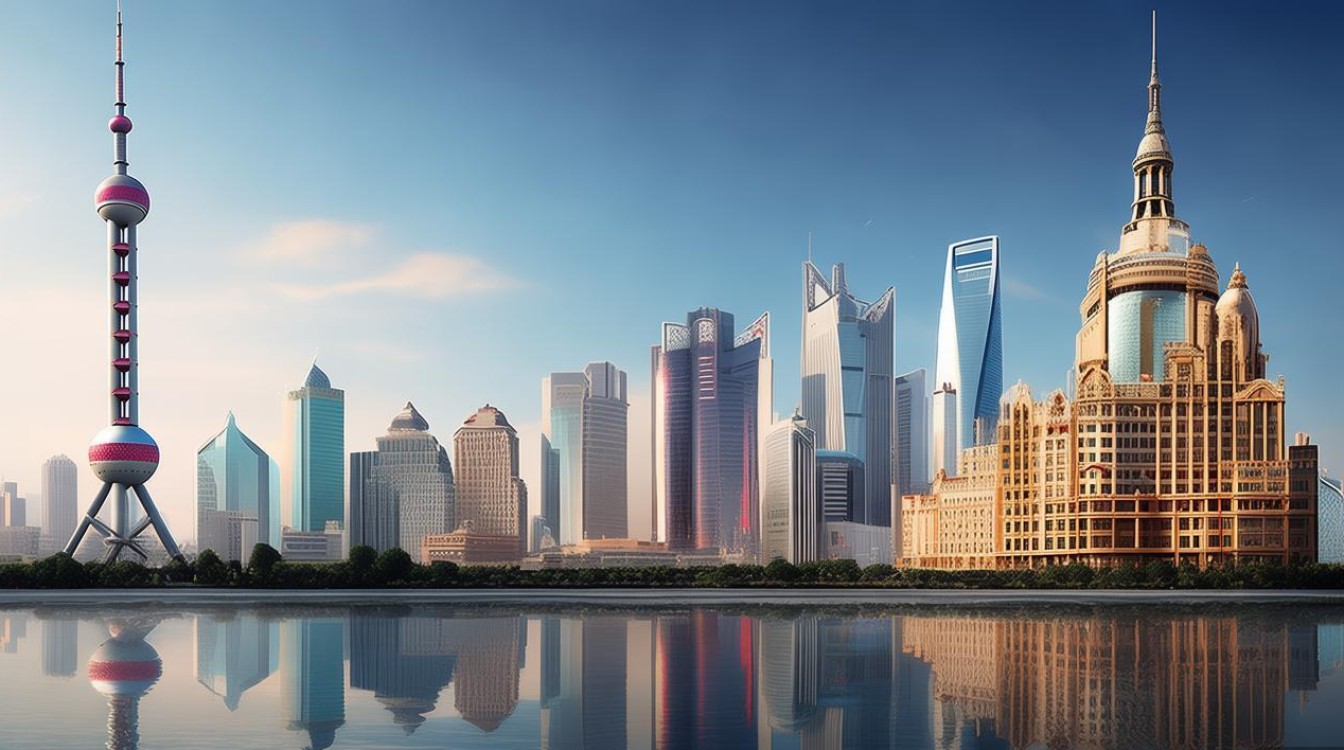
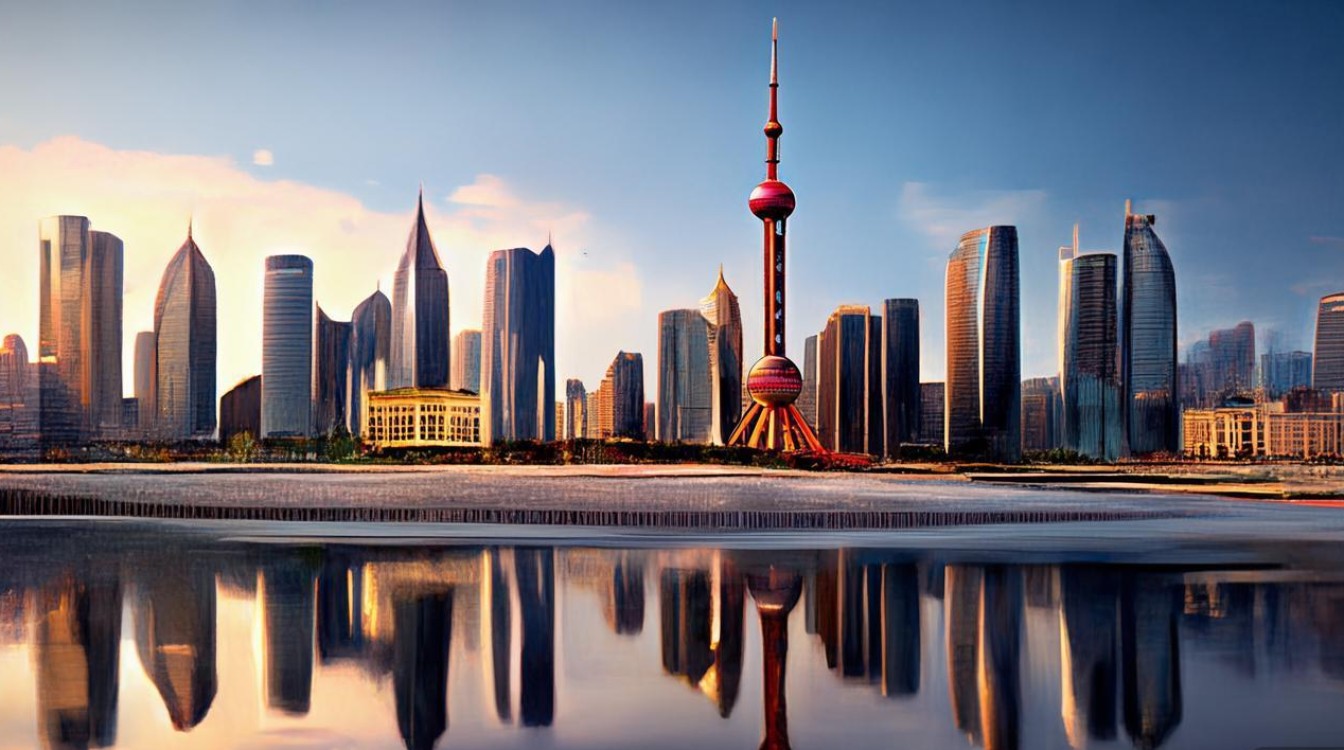
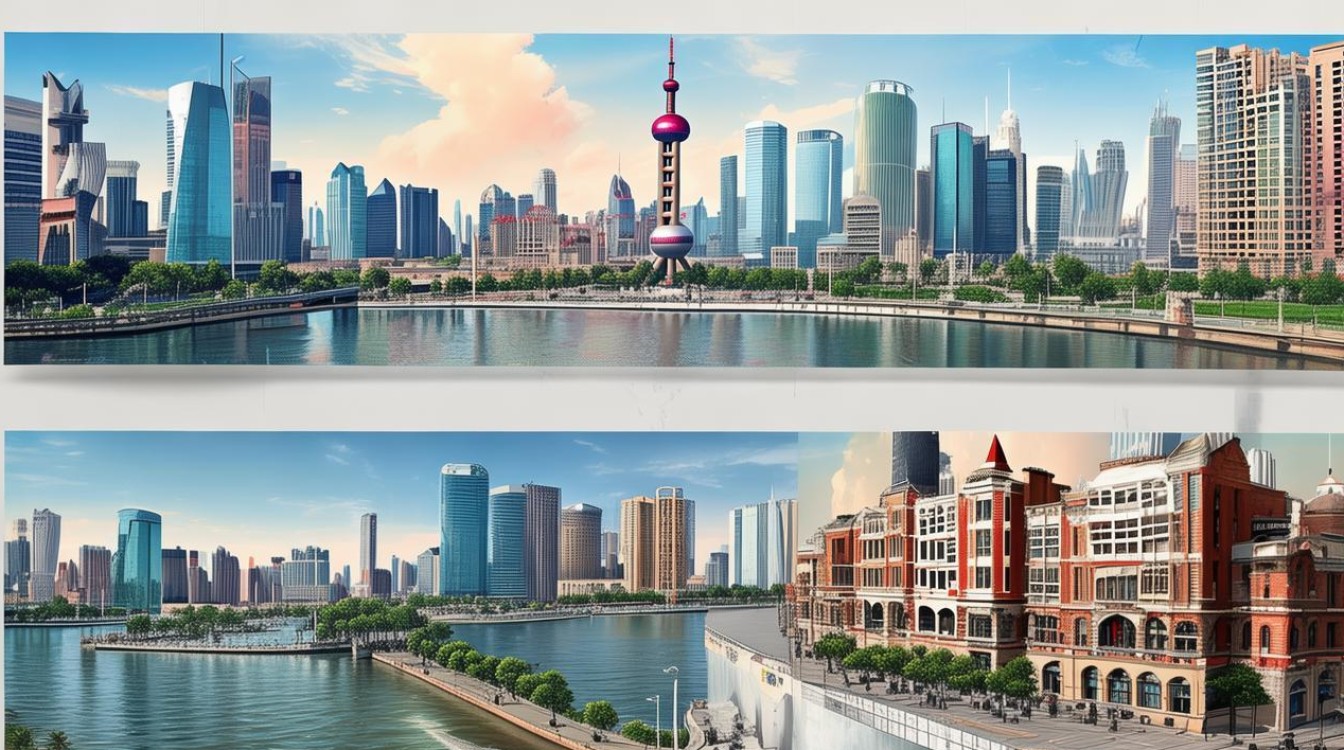
The Bund, located along the Huangpu River in the Huangpu District, is perhaps Shanghai's most iconic landmark. This 1.5-kilometer waterfront promenade is a stunning juxtaposition of architectural styles, with its historic buildings on the west side and the futuristic Pudong skyline on the east. The Bund's origins date back to the mid-19th century when Shanghai was an international settlement. The buildings here, constructed in Gothic, Renaissance, Baroque, and Art Deco styles, once housed banks, trading houses, and consulates, earning it the nickname "the Museum of International Architecture." Notable structures include the Peace Hotel, a legendary Art Deco masterpiece, and the Hongkong and Shanghai Banking Corporation Building, with its iconic dome. As day turns to night, the Bund transforms into a dazzling spectacle, with neon lights illuminating the historic facades and the Oriental Pearl Tower, Jin Mao Tower, and Shanghai Tower casting their reflections on the river. A stroll along the Bund offers a panoramic view of Shanghai's evolution—from a colonial trading port to a global financial hub.
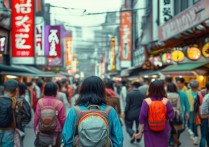
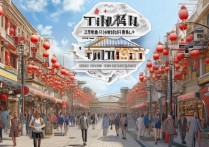
Adjacent to the Bund, the Nanjing Road Pedestrian Street is one of the world's busiest shopping destinations. Stretching over 5.5 kilometers, this bustling thoroughfare has been a commercial hub since the 1850s. Today, it is a shopper's paradise, featuring a mix of high-end luxury brands, century-old department stores, and traditional Chinese shops. Along the way, visitors can explore landmarks such as the Peace Hotel, the Shanghai Museum, and the People's Square. The street comes alive day and night, with street performers, vibrant neon signs, and crowds of locals and tourists alike. For a taste of local life, don't miss trying street food like xiaolongbao (soup dumplings) and shengjianbao (pan-fried buns) at the nearby Tianzifang or Yuyuan Bazaar.
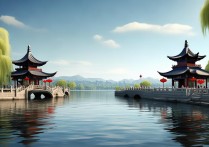
No visit to Shanghai is complete without a trip to Yu Garden, a classical Chinese garden dating back to the Ming Dynasty. Built in 1559 by Pan Yunduan, a high-ranking official, as a retreat for his parents, Yu Garden is a masterpiece of Ming Dynasty landscape design. Covering an area of 2 hectares, the garden is renowned for its intricate rockeries, pavilions, ponds, and corridors. Key attractions include the Exquisite Rockery, a pile of yellow stones imported from Taihu Lake, symbolizing the mountains of ancient China; the Hall of Harmony, a venue for traditional performances; and the Inner Garden, a smaller, more intimate space with its own rockeries and pavilions. The garden is also home to the Yuyuan Bazaar, a bustling market where visitors can shop for souvenirs, handicrafts, and traditional snacks. During the Spring Festival, the garden is adorned with lanterns, creating a magical atmosphere that attracts thousands of visitors.
For a glimpse into Shanghai's modernity, head to the Lujiazui Financial District in Pudong. This skyline, dominated by skyscrapers like the Oriental Pearl TV Tower, Jin Mao Tower, Shanghai World Financial Center, and the 632-meter-tall Shanghai Tower, is a symbol of China's economic rise. The Oriental Pearl TV Tower, with its unique design of 11 spheres stacked on top of each other, offers breathtaking views of the city from its observation decks. The Shanghai Tower, the second-tallest building in the world, features a twisting form inspired by traditional Chinese architecture and houses offices, hotels, and retail spaces. Visitors can also take a cruise on the Huangpu River to admire the skyline from the water, especially stunning at night when the buildings are illuminated.
Another must-visit attraction is Tianzifang, a labyrinthine network of narrow lanes and traditional Shikumen (stone-gate) houses. Once a residential area for the city's working class, Tianzifang has been transformed into a trendy hub of art galleries, boutique shops, cafes, and restaurants. The area's charm lies in its blend of old and new—exposed brick walls, vintage doorways, and modern art installations create a unique bohemian atmosphere. Visitors can spend hours exploring the maze-like streets, discovering hidden gems like independent bookstores, craft shops, and traditional teahouses. Tianzifang is also known for its vibrant nightlife, with rooftop bars and live music venues offering a lively scene after dark.
For art enthusiasts, the Shanghai Museum is a must-see. Located in People's Square, this world-class museum houses a vast collection of ancient Chinese art, including ceramics, calligraphy, paintings, jade, and bronze artifacts. The museum's building, designed to resemble a ancient Chinese bronze ding (a ceremonial cauldron), is an architectural masterpiece in itself. With over 120,000 artifacts spanning 5,000 years of Chinese history, the Shanghai Museum offers a fascinating insight into China's rich cultural heritage. Don't miss the bronze gallery, which features rare pieces from the Shang and Zhou dynasties, and the painting gallery, which showcases works by renowned artists like Fan Kuan and Dong Qichuan.
Shanghai's religious diversity is reflected in its historic temples and churches. The Longhua Temple, the largest and oldest Buddhist temple in Shanghai, dates back to the Three Kingdoms period (220-280 AD). The temple complex, with its golden Buddha statues, tranquil courtyards, and ancient pagoda, offers a peaceful escape from the city's hustle and bustle. Another notable religious site is the Cathedral of St. Ignatius of Loyola, a stunning Gothic Revival church in the Xuhui District. Built by Jesuit missionaries in the early 20th century, the church features towering spires, stained-glass windows, and intricate woodwork, serving as a reminder of Shanghai's colonial past.
In addition to these landmarks, Shanghai offers a wealth of other attractions, such as the Shanghai Ocean Aquarium, one of the largest aquariums in Asia with a tunnel showcasing over 450 species of marine life; the Zhujiajiao Water Town, a well-preserved ancient town with canals, stone bridges, and traditional architecture; and the Propaganda Art Center, which displays posters and artifacts from China's Mao era.
To help visitors plan their trip, here is a table summarizing some of Shanghai's most famous attractions, including their locations, highlights, and recommended visit durations:
| Attraction | Location | Highlights | Recommended Visit Duration |
|---|---|---|---|
| The Bund | Huangpu District | Historic architecture, Huangpu River views, night illumination | 2-3 hours |
| Yu Garden | Huangpu District | Classical Chinese garden, rockeries, pavilions, Yuyuan Bazaar | 2-3 hours |
| Nanjing Road | Huangpu District | Shopping, street food, landmarks like Peace Hotel | 3-4 hours |
| Lujiazui Financial District | Pudong | Skyscrapers (Oriental Pearl, Shanghai Tower), Huangpu River cruises | 2-3 hours |
| Tianzifang | Huangpu District | Art galleries, boutiques, cafes, Shikumen architecture | 2-3 hours |
| Shanghai Museum | People's Square | Ancient Chinese art, ceramics, calligraphy, paintings | 2-3 hours |
| Longhua Temple | Xuhui District | Ancient Buddhist temple, pagoda, peaceful atmosphere | 1-2 hours |
| Zhujiajiao Water Town | Qingpu District | Canals, stone bridges, traditional architecture, boat rides | 3-4 hours |
In conclusion, Shanghai's famous attractions offer a captivating journey through time, from the colonial-era charm of the Bund to the cutting-edge modernity of Lujiazui. Whether you're interested in history, art, shopping, or architecture, Shanghai has something to offer every visitor. As you explore these landmarks, you'll gain a deeper appreciation for the city's unique blend of tradition and innovation, making it one of the world's most dynamic and fascinating destinations.
FAQs
-
What is the best time to visit Shanghai's famous attractions?
The best time to visit Shanghai is during spring (March to May) and autumn (September to November) when the weather is mild and pleasant. Summers (June to August) can be hot and humid, while winters (December to February) are cold and damp. However, if you want to experience festive events like the Spring Festival celebrations at Yu Garden or the Shanghai International Film Festival in June, these times can be rewarding despite the crowds. -
How can I get around Shanghai to visit these attractions?
Shanghai has an efficient public transportation system, including the metro, buses, and taxis. The metro is the fastest and most convenient way to get around, with lines connecting most major attractions. Taxis and ride-hailing services like Didi are also widely available. For a more scenic experience, consider taking a Huangpu River cruise to admire the Bund and Lujiazui skyline. Additionally, some attractions like Tianzifang and Yu Garden are best explored on foot due to their narrow lanes and pedestrian-only areas.
版权声明:本文由 数字洲食旅 发布,如需转载请注明出处。





 冀ICP备2021017634号-11
 冀公网安备13062802000116号