

法国景点英文翻译有哪些常见误区?
France, a country renowned for its rich history, art, culture, and stunning landscapes, offers a myriad of attractions that captivate millions of visitors each year. From the romantic streets of Paris to the glamorous beaches of the French Riviera, from the majestic castles of the Loire Valley to the picturesque lavender fields of Provence, France’s landmarks and destinations are as diverse as they are enchanting. This guide provides a detailed overview of some of the most iconic French attractions, presented in English to help travelers plan their unforgettable journey.
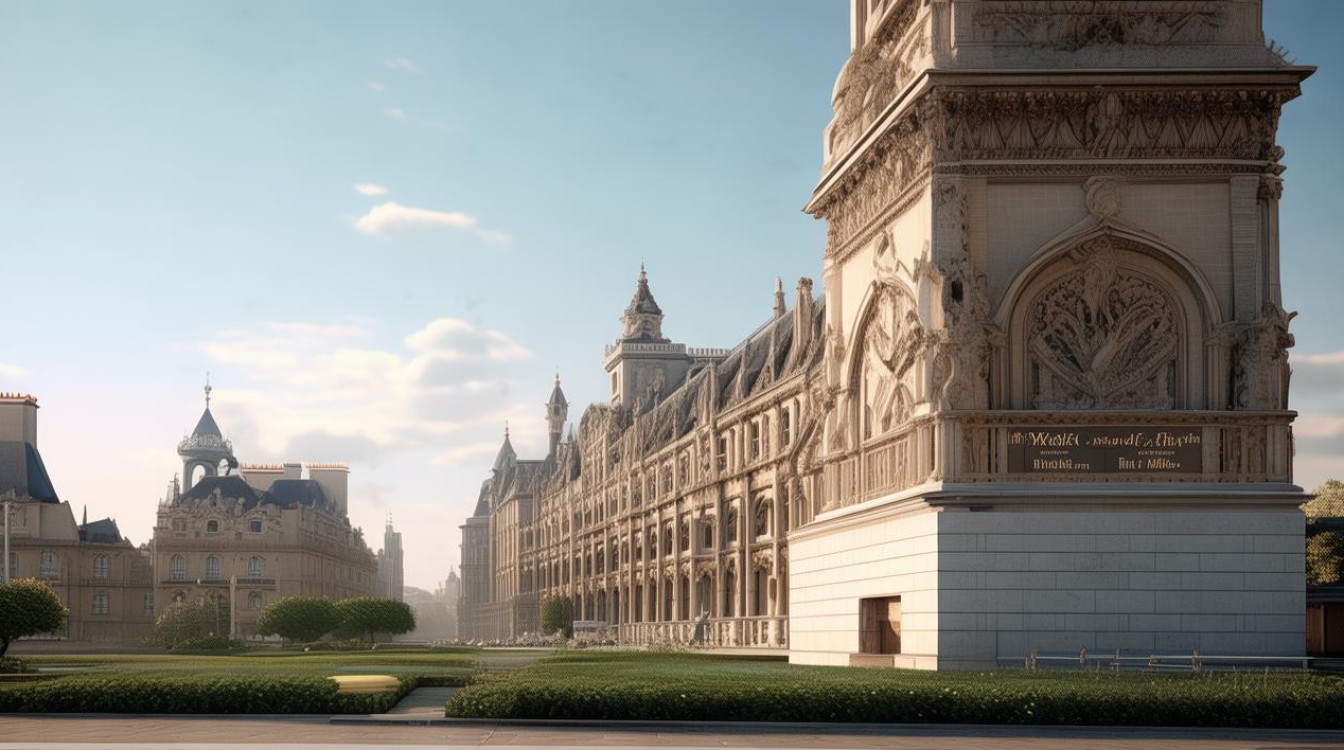
One of the most famous landmarks in France is the Eiffel Tower, located in Paris. Designed by Gustave Eiffel and completed in 1889 for the World’s Fair, this iron lattice tower has become a global symbol of France. Standing at 330 meters tall, it offers breathtaking panoramic views of the city from its observation decks. Visitors can also dine at the tower’s Michelin-starred restaurant, Le Jules Verne, or enjoy a romantic evening light show that illuminates the structure every hour after sunset. Nearby, the Champ de Mars, a sprawling public garden, provides the perfect spot for a picnic while admiring the tower’s silhouette.
Another must-visit site in Paris is the Louvre Museum, the world’s largest art museum and a historic monument. Housed in a former royal palace, the Louvre boasts an unparalleled collection of artworks, including the Mona Lisa, the Venus de Milo, and the Winged Victory of Samothrace. With over 38,000 objects displayed across an area of 72,735 square meters, the museum can be overwhelming, so it’s advisable to prioritize specific wings or exhibits. The Louvre’s glass pyramid, designed by I.M. Pei, serves as a modern contrast to the museum’s classical architecture and has become an iconic landmark in its own right.
For those interested in history and architecture, the Palace of Versailles, located just outside Paris, is a must-see. Originally a hunting lodge, Versailles was transformed into a opulent palace by King Louis XIV, the Sun King. The palace’s Hall of Mirrors, with its 357 mirrors reflecting the sunlight, is a masterpiece of Baroque design. The extensive gardens, adorned with fountains, sculptures, and geometric patterns, are equally impressive. Visitors can also explore the Grand Trianon, Marie Antoinette’s Estate, and the Estate of Trianville, which offer insights into the lives of French royalty.
Beyond Paris, France offers a wealth of attractions in other regions. In the Loire Valley, known as the “Garden of France,” visitors can explore over 300 châteaux, each with its own unique history and architectural style. The Château de Chambord, a Renaissance masterpiece, is famous for its distinctive French and Renaissance architecture, with a double-helix staircase said to have been designed by Leonardo da Vinci. The Château de Villandry, on the other hand, is renowned for its stunning terraced gardens, which include ornamental vegetable patches and flowerbeds.
On the French Riviera, the city of Nice offers a blend of natural beauty and cultural charm. The Promenade des Anglais, a scenic waterfront boulevard, is perfect for a leisurely stroll while enjoying views of the Mediterranean Sea. The city’s Old Town, with its narrow streets, colorful buildings, and bustling markets, provides a glimpse into Nice’s Provençal heritage. Nearby, the hilltop village of Èze, perched on a cliff overlooking the sea, is home to the Exotic Garden, which features a diverse collection of cacti and succulents.
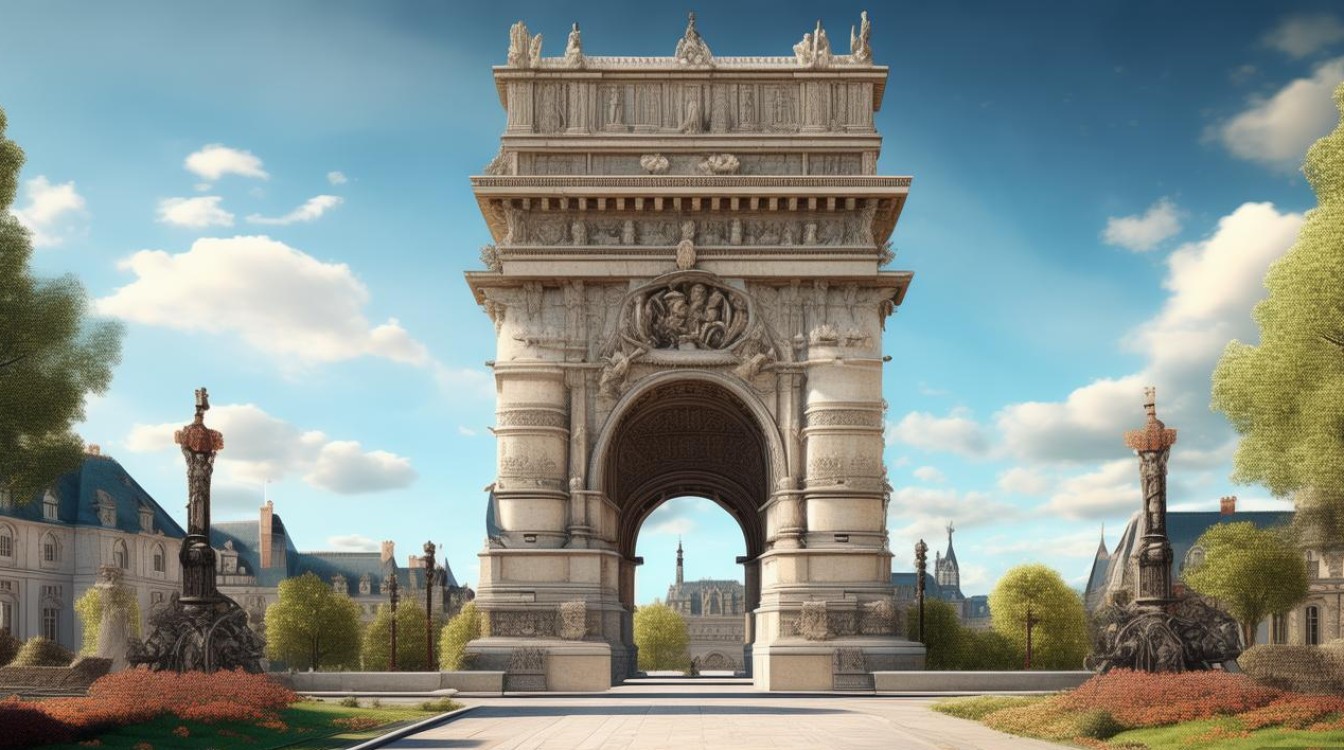
In the south of France, the lavender fields of Provence create a breathtaking sight, especially during the summer months when the flowers are in full bloom. The village of Sault, located at the foot of Mont Ventoux, is one of the best places to experience the purple landscapes. Visitors can also explore the historic town of Gordes, with its stone houses and panoramic views of the Luberon valley. The Abbey of Sénanque, a Cistercian monastery surrounded by lavender fields, is a popular spot for photography enthusiasts.
For art lovers, the city of Lyon offers a rich cultural experience. As France’s gastronomic capital, Lyon is famous for its traditional bouchons, cozy restaurants serving hearty Lyonnaise cuisine. The city’s Old Town, a UNESCO World Heritage site, is a maze of Renaissance buildings, hidden passageways, and traboules, secret corridors that link streets. The Musée des Beaux-Arts de Lyon, housed in a former 17th-century Benedictine convent, features an impressive collection of paintings, sculptures, and decorative arts.
In the Normandy region, the Mont Saint-Michel, a tidal island crowned with a medieval abbey, is a sight to behold. Connected to the mainland by a causeway, the island is accessible at low tide but surrounded by water at high tide. The abbey, a masterpiece of Gothic architecture, dates back to the 8th century and offers stunning views of the surrounding bay. Nearby, the D-Day landing beaches, such as Omaha Beach and Utah Beach, serve as poignant reminders of World War II, with memorials and museums dedicated to the Allied forces.
France’s natural beauty is also on display in the Vanoise National Park, located in the Alps. The park, France’s oldest national park, is home to diverse wildlife, including ibex, chamois, and golden eagles. Visitors can hike through its scenic trails, ski in the winter, or simply enjoy the breathtaking mountain views. The park’s gateway town, Bourg-Saint-Maurice, serves as a base for exploring the region’s outdoor activities.
To help travelers plan their visit, here is a table summarizing some of France’s top attractions, along with their locations and highlights:
| Attraction | Location | Highlights |
|---|---|---|
| Eiffel Tower | Paris | Iconic iron tower, panoramic city views, evening light shows |
| Louvre Museum | Paris | World’s largest art museum, home to the Mona Lisa and Venus de Milo |
| Palace of Versailles | Versailles (near Paris) | Opulent palace, Hall of Mirrors, extensive gardens |
| Château de Chambord | Loire Valley | Renaissance architecture, double-helix staircase, vast forests |
| Promenade des Anglais | Nice | Scenic waterfront, Mediterranean views, vibrant atmosphere |
| Lavender Fields | Provence | Purple landscapes, best visited in June-August, villages like Sault and Gordes |
| Mont Saint-Michel | Normandy | Medieval abbey, tidal island, stunning bay views |
| Vanoise National Park | Alps | Diverse wildlife, hiking trails, skiing opportunities |
In conclusion, France’s attractions offer a perfect blend of history, art, culture, and natural beauty, ensuring that every traveler finds something to cherish. Whether exploring the bustling streets of Paris, the serene lavender fields of Provence, or the majestic peaks of the Alps, France promises an unforgettable experience.
FAQs
-
What is the best time to visit France’s lavender fields?
The lavender fields in Provence are in full bloom from late June to mid-August, making this the ideal time to visit. During this period, the landscapes are adorned with vibrant purple hues, creating a picturesque setting. However, this is also peak tourist season, so it’s advisable to book accommodations and tours in advance. -
How many days should I allocate for visiting the Palace of Versailles?
To fully experience the Palace of Versailles, including the palace, gardens, and Trianon estates, it’s recommended to allocate at least one full day. If you wish to explore in greater detail, such as attending a fountain show or renting a golf cart to tour the gardens, consider staying for two days. This will allow you to immerse yourself in the grandeur of this historic site without feeling rushed.
版权声明:本文由 数字洲食旅 发布,如需转载请注明出处。















 冀ICP备2021017634号-11
 冀公网安备13062802000116号