

旅游景点英语作文,如何生动描述景点特色吸引读者?
介绍旅游景点的英语作文

When it comes to exploring the world, few experiences rival the joy of discovering a destination that seamlessly blends natural beauty, rich history, and vibrant culture. Among the myriad of travel spots across the globe, Kyoto, Japan, stands out as a city that encapsulates the essence of traditional Japanese heritage while offering a glimpse into its modern, dynamic side. Known as the "cultural heart of Japan," Kyoto was once the country's capital for over a millennium, and it remains a treasure trove of ancient temples, serene gardens, and timeless traditions. Whether you are a history enthusiast, a nature lover, or a food adventurer, Kyoto promises an unforgettable journey that will leave you with a deep appreciation for Japan's unique allure.
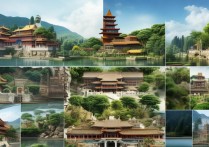
One of the most compelling reasons to visit Kyoto is its unparalleled collection of historical landmarks. The city is home to over 1,600 Buddhist temples, 400 Shinto shrines, and numerous royal palaces, each telling a story of Japan's past. Among these, Kinkaku-ji, or the Golden Pavilion, is perhaps the most iconic. Originally built in the 14th century as a retirement villa for a shogun, this three-story pavilion is entirely covered in gold leaf, shimmering beautifully above a tranquil pond surrounded by meticulously manicured gardens. The reflection of the pavilion on the water creates a picturesque scene that has inspired artists and poets for centuries. Equally captivating is Fushimi Inari Shrine, famous for its thousands of vibrant red torii gates that wind up a forested mountain. These gates, donated by businesses and individuals as a gesture of gratitude, form a breathtaking tunnel that leads visitors through serene forests and offers panoramic views of the city. Walking through this path feels like stepping into a different world, where spirituality and nature harmonize in perfect balance.
Beyond its temples, Kyoto is renowned for its exquisite traditional gardens, which are considered masterpieces of landscape design. The Ryoan-ji Temple, for instance, is home to Japan's most famous rock garden, a UNESCO World Heritage site. This minimalist garden consists of 15 rocks arranged on a bed of white sand, raked into intricate patterns that evoke the flow of water. The simplicity of the design invites contemplation, and it is said that only when viewed from a specific angle can all 15 rocks be seen at once—a metaphor for the imperfection and enlightenment in life. Another must-visit garden is the Arashiyama Bamboo Grove, where towering bamboo stalks create a surreal, almost ethereal atmosphere. Walking through this grove, the sound of rustling leaves and the sight of sunlight filtering through the green stalks evoke a sense of peace and wonder. Nearby, the Tenryu-ji Temple offers a stunning landscape garden that changes with the seasons, from cherry blossoms in spring to vibrant foliage in autumn, making it a year-round destination for nature enthusiasts.
Kyoto's cultural richness is not limited to its static landmarks; the city is also a living museum of traditional arts and customs. Visitors have the opportunity to participate in various cultural experiences that offer a hands-on understanding of Japanese heritage. For example, the Gion district, Kyoto's famous geisha quarter, is a place where the past comes alive. Here, you might spot elegantly dressed geiko (Kyoto's term for geisha) and maiko (apprentice geisha) gliding through the streets on their way to appointments. While spotting them is a matter of luck, you can enhance your chances by visiting in the early evening or booking a traditional tea ceremony in one of the district's historic teahouses. Speaking of tea ceremonies, participating in one is a quintessential Kyoto experience. The ceremony, known as chanoyu, is a highly ritualized practice that emphasizes harmony, respect, and tranquility. Under the guidance of a tea master, you will learn the proper way to whisk matcha (a fine powder of green tea leaves) and savor it alongside a traditional wagashi (Japanese sweet), gaining insight into the philosophy that underpins this ancient art.
Another highlight of Kyoto's cultural scene is its traditional crafts, which have been passed down through generations for centuries. The city is famous for its production of exquisite textiles, ceramics, and lacquerware, and visitors can explore workshops and boutiques to see these crafts being made firsthand. For instance, the Nishijin Textile Center in Kyoto offers live demonstrations of kimono weaving and even allows visitors to try on modern interpretations of traditional kimono. Similarly, the Kiyomizu-yaki pottery district, located near the iconic Kiyomizu-dera Temple, is home to numerous pottery studios where artisans create beautiful handcrafted ceramics using techniques dating back to the 5th century. Strolling through these districts, you can purchase unique souvenirs that serve as lasting mementos of your trip while supporting local artisans.

No visit to Kyoto would be complete without indulging in its culinary delights, which reflect the city's dedication to seasonality, artistry, and tradition. Kyoto's cuisine, known as Kyo-ryori, is characterized by its emphasis on fresh, seasonal ingredients and elegant presentation. One of the best ways to experience this is by dining at a kaiseki restaurant, a multi-course meal that showcases the pinnacle of Japanese culinary art. Each dish in a kaiseki meal is carefully crafted to highlight the natural flavors of the ingredients, often arranged to resemble seasonal landscapes or flowers. For a more casual yet equally delicious experience, head to the Nishiki Market, a narrow five-block street lined with stalls selling a dazzling array of local delicacies. Here, you can sample everything from freshly grilled takoyaki (octopus balls) and matcha soft serve to pickled vegetables and yuba (tofu skin). The market is a feast for the senses, with the aroma of grilled seafood and the sight of colorful displays creating an lively and authentic atmosphere.
In addition to its cultural and historical attractions, Kyoto also offers a surprising contrast of modernity and innovation. While the city is deeply rooted in tradition, it is also home to cutting-edge technology and contemporary art. The Kyoto Railway Museum, for example, showcases the evolution of Japan's iconic bullet train, while the 21st Century Museum of Contemporary Art features innovative exhibits from both Japanese and international artists. This blend of old and new makes Kyoto a dynamic destination where visitors can experience the best of both worlds.
For those seeking natural beauty beyond the city's gardens, Kyoto's surrounding areas offer breathtaking landscapes. The Amanohashidate, or "Bridge to Heaven," a sandbar covered in pine trees that spans Miyazu Bay, is considered one of Japan's three most scenic views. Visitors can walk or cycle across the sandbar, or even view it upside down through their legs between their legs—a local tradition said to make it look like a floating bridge in the sky. Another natural wonder is the Toei Kyoto Studio Park, a film set that recreates a historical Japanese town, complete with traditional buildings and costumed actors, offering a fun and immersive way to step back in time.
To help you plan your visit, here is a table summarizing some of Kyoto's top attractions and their highlights:
| Attraction | Type | Key Features | Best Time to Visit |
|---|---|---|---|
| Kinkaku-ji (Golden Pavilion) | Temple | Gold-leaf-covered pavilion, serene pond gardens | Year-round (autumn foliage) |
| Fushimi Inari Shrine | Shrine | Thousands of red torii gates, mountain hiking trails | Early morning to avoid crowds |
| Arashiyama Bamboo Grove | Natural landmark | Towering bamboo stalks, peaceful walking paths | Sunrise for fewer people |
| Gion District | Cultural area | Geiko and maiko sightings, traditional teahouses | Early evening |
| Nishiki Market | Food market | Local delicacies, fresh produce, souvenirs | Mid-morning to afternoon |
| Ryoan-ji Temple | Garden | Famous rock garden, minimalist design | Weekdays for quieter visits |
In conclusion, Kyoto is a destination that captivates the soul and enriches the mind. Its harmonious blend of ancient traditions, natural beauty, and modern innovation makes it a must-visit for anyone seeking to experience the essence of Japan. Whether you are meditating in a Zen garden, sipping matcha in a teahouse, or marveling at the golden glow of Kinkaku-ji, Kyoto offers moments of beauty and tranquility that will stay with you long after your journey ends. As you explore this enchanting city, you will not only witness its historical and cultural treasures but also feel the warmth and hospitality of its people, making your visit truly unforgettable.

FAQs
-
What is the best time of year to visit Kyoto?
The best time to visit Kyoto is during spring (late March to May) and autumn (October to November). Spring offers the iconic cherry blossom season, when the city is blanketed in pink and white flowers, creating a magical atmosphere. Autumn, on the other hand, brings vibrant foliage with red, orange, and yellow leaves, particularly in places like Arashiyama and the temples of the eastern mountains. Both seasons have mild temperatures and clear skies, making them ideal for outdoor activities and sightseeing. However, these are also peak tourist seasons, so it is advisable to book accommodations and attractions well in advance. -
How can I experience traditional Japanese culture in Kyoto?
Kyoto offers numerous opportunities to immerse yourself in traditional Japanese culture. You can participate in a tea ceremony to learn the art of chanoyu, try on a kimono and stroll through historic districts like Gion or Higashiyama, or attend a performance of koto (traditional zither) or noh theater. Additionally, visiting a ryokan (traditional inn) for an overnight stay, where you can sleep on tatami mats, wear a yukata (casual kimono), and enjoy a multi-course kaiseki dinner, provides an authentic cultural experience. Workshops for calligraphy, pottery, and flower arranging (ikebana) are also widely available for those looking to engage hands-on with Japan's artistic traditions.
版权声明:本文由 数字洲食旅 发布,如需转载请注明出处。










 冀ICP备2021017634号-11
 冀公网安备13062802000116号