

上海旅游景点英文介绍有哪些实用内容?
Shanghai, a vibrant metropolis where East meets West, offers a captivating blend of modernity and tradition. As China's largest city and a global financial hub, it boasts an array of attractions that cater to all interests, from historical landmarks and cultural treasures to futuristic skyscrapers and serene gardens. This introduction aims to provide a detailed overview of Shanghai's top tourist spots in English, helping visitors explore the city's rich heritage and dynamic present.
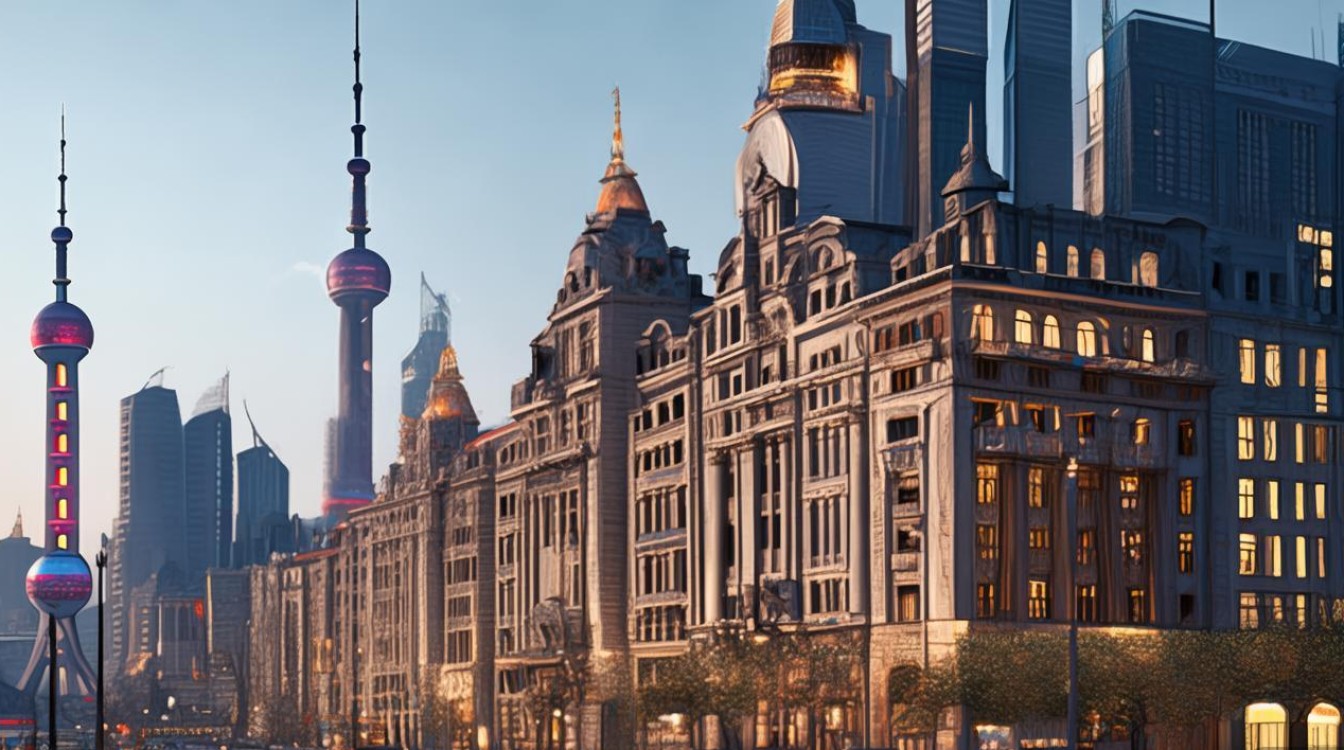
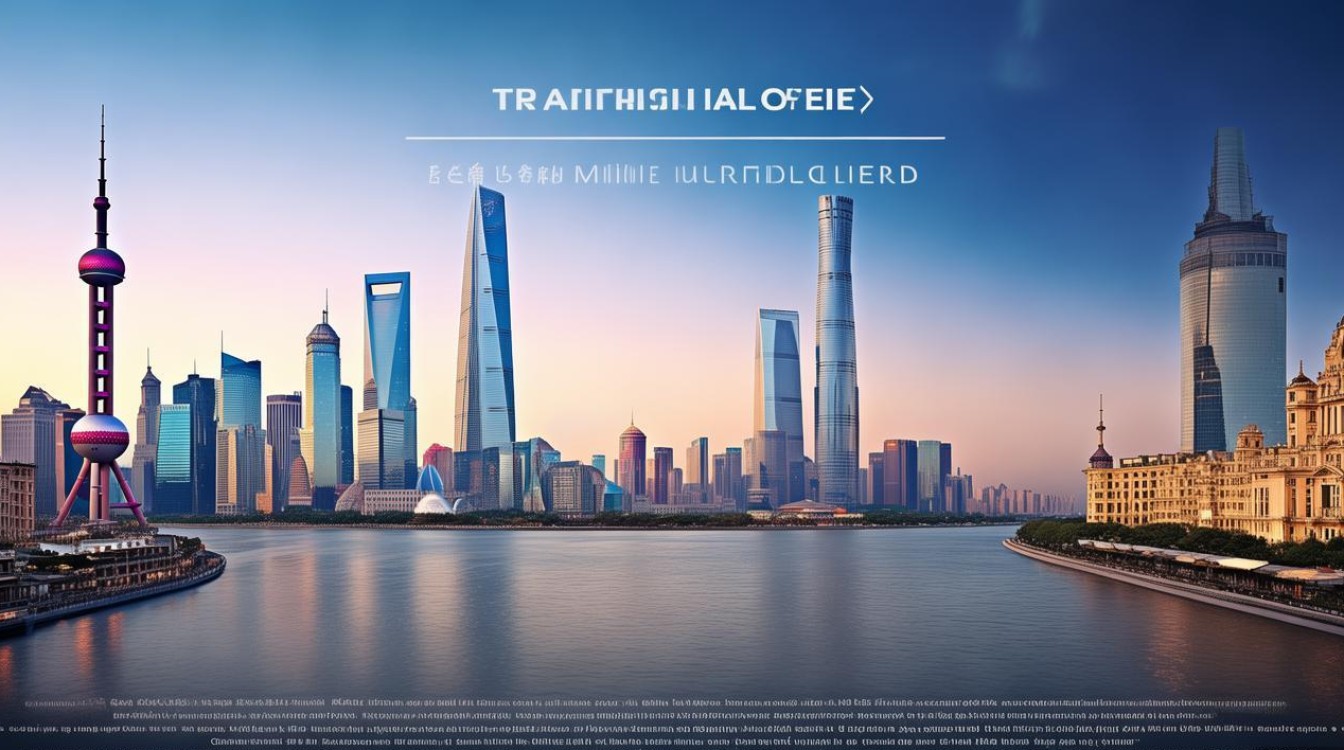
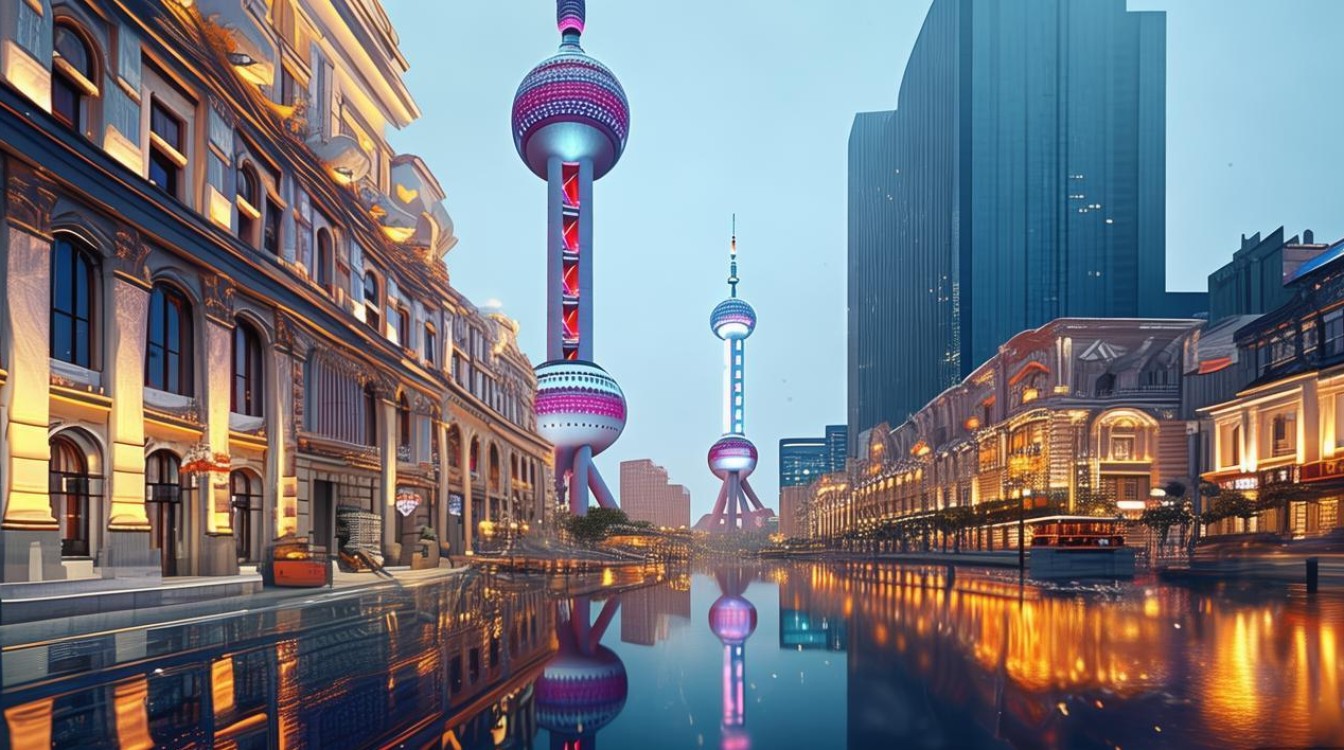
The Bund (Waitan) is undoubtedly Shanghai's most iconic landmark. Stretching along the Huangpu River, this historic waterfront promenade showcases a stunning juxtaposition of architectural styles. On the west side, you'll find the "International Settlement," a collection of colonial-era buildings in Gothic, Baroque, and Art Deco designs. Notable structures include the Peace Hotel, with its famous jazz bar, and the former Hong Kong and Shanghai Banking Corporation Building. These buildings, with their grand facades and intricate details, tell the story of Shanghai's past as a treaty port. Across the river, the Pudong skyline rises majestically, dominated by the Oriental Pearl Tower, the Shanghai World Financial Center, and the Shanghai Tower. This contrast between the old and new makes the Bund a must-visit spot, especially at night when the buildings are illuminated, creating a breathtaking panorama.
For a glimpse into Shanghai's ancient heart, the Yu Garden (Yuyuan) is a must-see. Built during the Ming Dynasty, this classical Chinese garden is a masterpiece of landscape design, featuring pavilions, rockeries, ponds, and intricate wooden carvings. The centerpiece of the garden is the Exquisite Rockery, a pile of yellow stones brought from Taihu Lake, which offers panoramic views of the garden. Surrounding the garden is the Yuyuan Bazaar, a bustling market where visitors can shop for traditional crafts, taste local snacks, and experience the lively atmosphere of old Shanghai. Don't miss the City God Temple (Chenghuang Miao), a Taoist temple located nearby, which adds to the cultural richness of the area.
Shanghai's modern side is best experienced in Pudong, the district that has transformed from farmland to a symbol of China's economic boom. The Shanghai Tower, standing at 632 meters tall, is the world's second-tallest building and a marvel of engineering. Its twisting design not only reduces wind resistance but also offers observation decks on the 118th and 126th floors, providing stunning 360-degree views of the city. Nearby, the Shanghai World Financial Center, with its distinctive bottle-opener shape, and the Oriental Pearl Tower, with its 11 spheres, are equally impressive. For a taste of luxury, visit the Super Brand Mall, one of Asia's largest shopping malls, or take a stroll along the Lujiazui Financial District, where you'll find some of the world's most prestigious companies.
Art and culture enthusiasts will find plenty to explore in Shanghai. The Shanghai Museum, located in People's Square, houses a vast collection of ancient Chinese art, including ceramics, calligraphy, paintings, and jade. The museum's building, designed to resemble an ancient Chinese bronze ding, is a work of art in itself. For contemporary art, the Power Station of Art (PSA) is a must-visit. Housed in a former power plant, this museum is China's first state-owned museum of contemporary art and hosts innovative exhibitions from both Chinese and international artists. The M50 Creative Park, a former industrial area converted into an art complex, is another hotspot for contemporary art, with over 100 galleries, studios, and design shops.
Those interested in Shanghai's revolutionary history should visit the Site of the First National Congress of the Communist Party of China. This unassuming building in the French Concession is where the Communist Party of China was founded in 1921. The museum inside displays historical documents, photographs, and artifacts related to the party's early days. Another significant historical site is the Propaganda Art Center, which showcases a collection of propaganda posters from the Mao Zedong era, offering a unique perspective on China's political history.
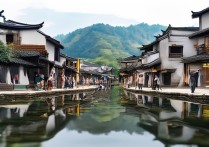
For a relaxing escape from the city's hustle and bustle, the Zhujiajiao Water Town is a perfect destination. Known as the "Venice of Shanghai," this ancient town, located about an hour's drive from the city center, is crisscrossed by canals and stone bridges. Visitors can take a boat ride along the waterways, stroll through the narrow alleyways lined with traditional shops and teahouses, and sample local delicacies such as zongzi (glutinous rice dumplings) and qingtuan (green rice balls). The town's well-preserved architecture and tranquil atmosphere make it a popular day trip for both locals and tourists.
Shanghai's culinary scene is as diverse as its attractions, offering everything from street food to Michelin-starred restaurants. The city is famous for its xiaolongbao (soup dumplings), a must-try dish that can be found at Din Tai Fung or the popular Joe's Shanghai. Other local specialties include shengjianbao (pan-fried pork buns), niangao (rice cakes), and various noodle dishes. For a fine dining experience, visit restaurants like Ultraviolet by Paul Pairet, the first multi-sensory restaurant in Asia, or 8½ Otto e Mezzo Bombana, which serves authentic Italian cuisine. The city's nightlife is equally vibrant, with rooftop bars like M on the Bund offering stunning views of the skyline, and lively clubs in the Xintiandi area, where you can dance the night away.
In conclusion, Shanghai is a city that seamlessly blends tradition and modernity, offering a wealth of attractions for every type of traveler. Whether you're exploring the historic Bund, wandering through the classical Yu Garden, marveling at the futuristic Pudong skyline, or indulging in the city's culinary delights, Shanghai is sure to leave a lasting impression. Its rich history, vibrant culture, and dynamic energy make it one of the world's most exciting destinations.
FAQs
-
What is the best time to visit Shanghai?
The best time to visit Shanghai is during spring (March to May) and autumn (September to November). During these seasons, the weather is mild and pleasant, with comfortable temperatures and less rainfall. Spring brings blooming flowers and lush greenery, while autumn offers clear skies and crisp air, making it ideal for outdoor activities and sightseeing. Summer (June to August) can be hot and humid, with occasional typhoons, while winter (December to February) is cold and often damp, though the city's festive lights and decorations during the holiday season add to its charm. -
How can I get around Shanghai efficiently?
Shanghai has an efficient and extensive public transportation system, making it easy to get around the city. The metro system is the most convenient option, with lines covering major attractions, airports, and train stations. It's fast, affordable, and operates from early morning to late at night. Taxis and ride-hailing services like Didi (China's equivalent of Uber) are also widely available and relatively inexpensive. For shorter distances, consider renting a shared bike or simply walking, especially in areas like the Bund or the French Concession, where many attractions are within walking distance of each other. Additionally, buses are an option, though they can be crowded during peak hours.
版权声明:本文由 数字洲食旅 发布,如需转载请注明出处。






 冀ICP备2021017634号-11
 冀公网安备13062802000116号