

北京旅游景点英文介绍里有哪些必去景点和地道表达?
Beijing, the capital of China, is a city where ancient history and modernity blend seamlessly, offering a wealth of attractions that cater to all kinds of travelers. From imperial palaces and ancient temples to vibrant neighborhoods and cultural landmarks, Beijing’s tourism landscape is a treasure trove waiting to be explored. This article provides a detailed introduction to some of the city’s most iconic tourist spots in English, helping visitors better understand their historical significance, cultural value, and unique experiences.
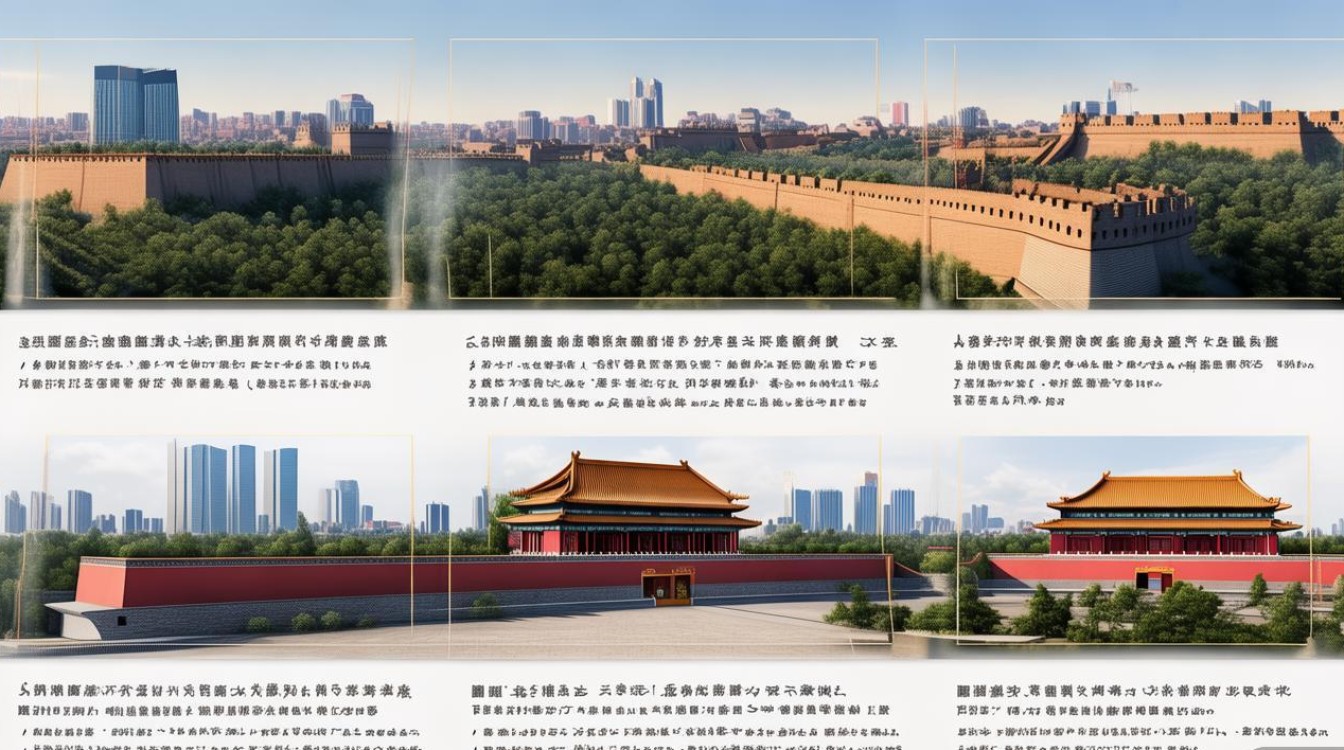
The Forbidden City, also known as the Palace Museum, is undoubtedly the crown jewel of Beijing’s attractions. Located in the heart of the city, this vast complex served as the imperial palace for 24 emperors during the Ming and Qing dynasties (1420–1912). Covering an area of 720,000 square meters, it boasts over 9,800 rooms and is surrounded by a 10-meter-high wall and a 52-meter-wide moat. As the largest wooden structure in the world, the Forbidden City is a masterpiece of ancient Chinese architecture, with its symmetrical layout, intricate roof decorations, and colorful paintings reflecting the grandeur of imperial power. Visitors can explore key halls such as the Hall of Supreme Harmony, where emperors held grand ceremonies, and the Palace of Heavenly Purity, once the residence of the emperors. The museum also houses a vast collection of over 1.8 million artifacts, including ancient ceramics, calligraphy, and paintings, making it a must-visit for history and art enthusiasts.
Another iconic site is the Great Wall of China, a symbol of China’s ancient civilization and one of the most famous man-made structures in the world. While the wall stretches over 21,000 kilometers across northern China, the sections near Beijing are the most well-preserved and accessible. The Badaling section, the first part of the wall opened to tourists, is known for its steep terrain and solid construction, offering breathtaking views of the surrounding mountains. Mutianyu, on the other hand, is famous for its picturesque scenery and less crowded atmosphere, with watchtowers that provide panoramic vistas. For those seeking a more adventurous experience, the Jinshanling section features rugged landscapes and original watchtowers, ideal for hiking. The Great Wall is not just a military fortification but also a testament to the ingenuity and perseverance of the ancient Chinese people, earning it a place as a UNESCO World Heritage Site.
Tiananmen Square, the world’s largest public square, is a site of immense historical and political significance. Covering an area of 440,000 square meters, it has witnessed many pivotal moments in China’s modern history. Flanked by important landmarks such as the Tiananmen Gate (with the famous portrait of Mao Zedong), the Great Hall of the People, the National Museum of China, and the Mausoleum of Mao Zedong, the square is a hub of cultural and political activity. Visitors can witness the daily flag-raising ceremony at dawn, a solemn and impressive spectacle. The square also offers a glimpse into China’s past, with exhibits at the National Museum detailing thousands of years of Chinese history and culture.
The Summer Palace, a masterpiece of Chinese landscape garden design, is another must-visit destination in Beijing. Originally an imperial garden during the Qing Dynasty, it covers an area of 2.9 square kilometers, with three-quarters being water, mainly from Kunming Lake. The palace is renowned for its harmonious integration of natural scenery and artificial architecture, featuring pavilions, temples, bridges, and corridors. The Long Corridor, a 728-meter-long covered walkway adorned with over 14,000 paintings, is a highlight, depicting scenes from Chinese literature, history, and folklore. Visitors can also take a boat ride on Kunming Lake or climb the Longevity Hill to enjoy panoramic views of the entire palace, making it a perfect blend of nature and art.
For a spiritual and cultural experience, the Temple of Heaven is a top choice. Built in 1420 during the Ming Dynasty, this complex was where emperors of the Ming and Qing dynasties performed annual ceremonies to pray for good harvests. The Hall of Prayer for Good Harvests, with its triple-gabled roof and blue-tiled roof, is an architectural marvel, symbolizing the emperor’s role as the "Son of Heaven" who communicated with heaven. The temple’s circular design and use of numbers (such as the 12 pillars representing the months of the year) reflect ancient Chinese cosmological beliefs. Visitors can also explore the Echo Wall, a circular wall that allows sound to travel clearly along its curve, and the Imperial Vault of Heaven, a smaller structure resembling the Hall of Prayer.
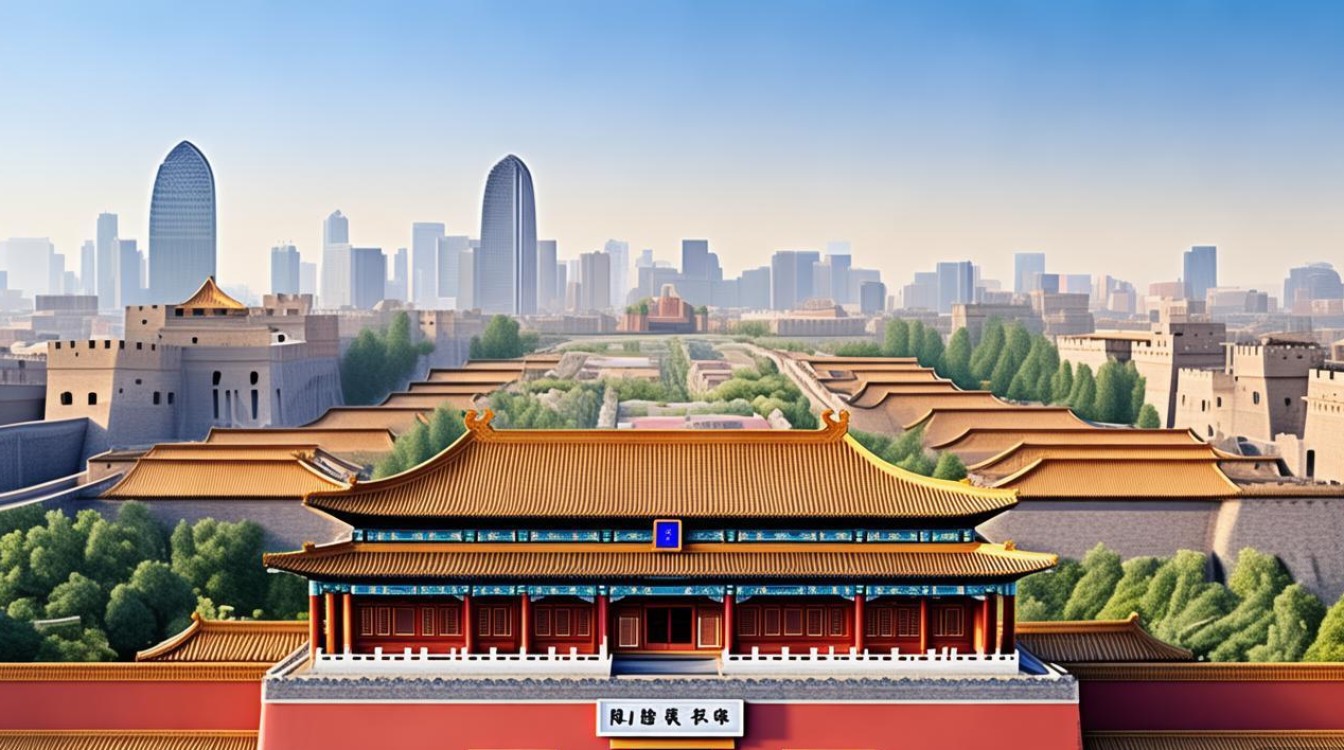
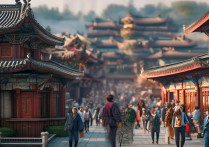
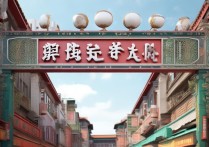
Beijing’s cultural richness is also evident in its hutongs, ancient alleyways that form the traditional heart of the city. These narrow lanes, flanked by siheyuan (traditional courtyard houses), offer a glimpse into old Beijing’s way of life. A popular way to explore hutongs is by taking a rickshaw ride, which allows visitors to pass through bustling markets, local homes, and hidden gems. The Nanluoguxiang hutong, for example, is a vibrant area filled with boutique shops, street food stalls, and trendy cafes, blending tradition with modernity. In contrast, the Shichahai area offers a more tranquil atmosphere, with hutongs surrounding a scenic lake, perfect for a leisurely stroll or bike ride.
In addition to these historical sites, Beijing boasts modern attractions that showcase its dynamic development. The National Centre for the Performing Arts, known as the "Egg" due to its distinctive oval shape, is a world-class venue for opera, concerts, and ballet. Located near Tiananmen Square, its modern architecture contrasts sharply with the surrounding traditional buildings, symbolizing Beijing’s blend of old and new. The 798 Art District, a former military factory complex, has been transformed into a thriving hub for contemporary art, with galleries, studios, and art shops attracting artists and art lovers from around the world.
To help visitors plan their trip, here is a table summarizing key information about some of Beijing’s top attractions:
| Attraction | Location | Key Features | Best Time to Visit |
|---|---|---|---|
| Forbidden City | Dongcheng District | Imperial palace, 9,800 rooms, 1.8 million artifacts | Spring (Apr-May), Autumn |
| Great Wall (Badaling) | Yanqing District | Well-preserved section, steep terrain, panoramic views | Spring, Autumn |
| Temple of Heaven | Dongcheng District | Circular architecture, Hall of Prayer for Good Harvests, imperial rituals | Early morning to avoid crowds |
| Summer Palace | Haidian District | Kunming Lake, Long Corridor, traditional garden design | Spring, Summer |
| Hutongs (Nanluoguxiang) | Dongcheng District | Traditional alleyways, street food, boutique shops | Evening for vibrant atmosphere |
For travelers planning a visit to Beijing, here are some frequently asked questions and their answers:
Q1: How many days should I spend in Beijing to explore the main attractions?
A1: It is recommended to spend at least 4–5 days in Beijing to cover the major attractions such as the Forbidden City, Great Wall, Temple of Heaven, Summer Palace, and hutongs. This allows for a leisurely pace, with enough time to explore each site in depth and experience the local culture. If you have more time, additional days can be allocated to visiting museums, art districts, or taking day trips to nearby sites like the Ming Tombs.
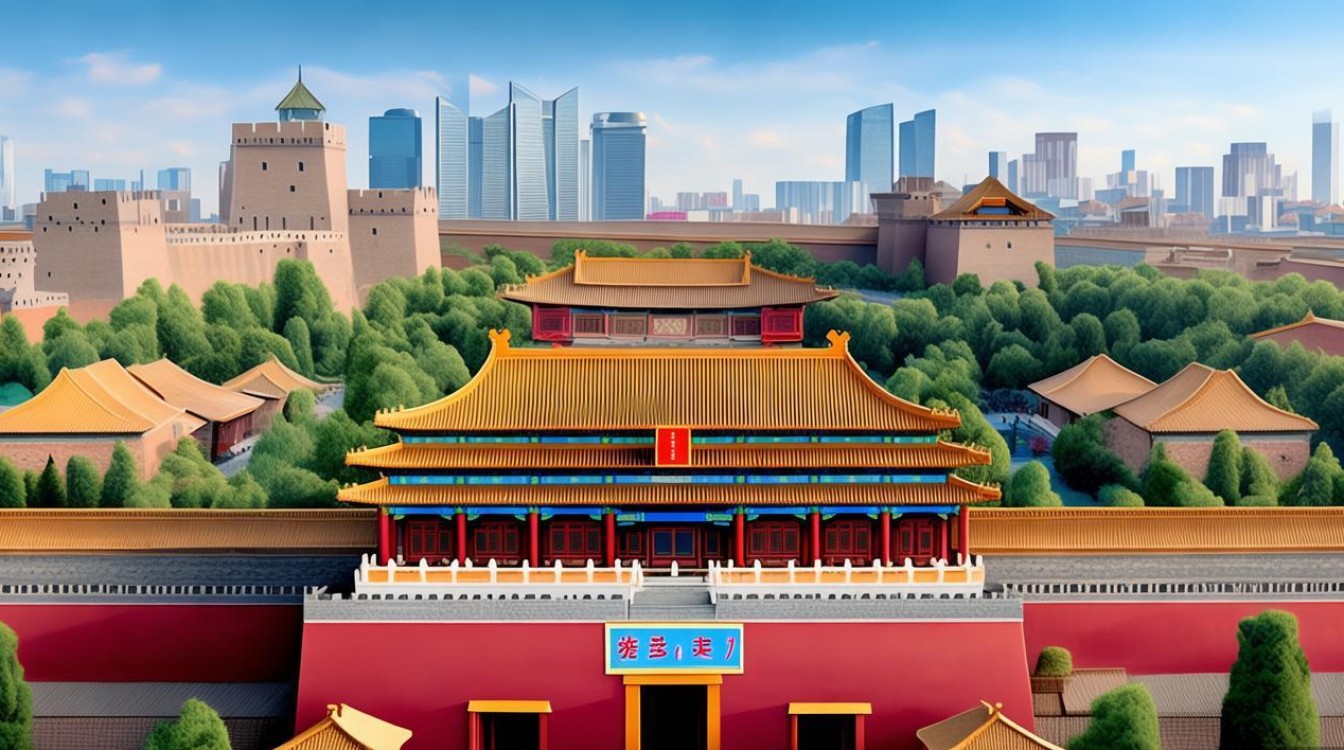
Q2: What is the best way to get around Beijing to visit these attractions?
A2: Beijing has an efficient public transportation system, including the subway, which is the fastest and most convenient way to travel within the city, covering most major attractions. Buses are also widely available but may be slower due to traffic. For shorter distances, taxis or ride-hailing apps like Didi are affordable and convenient. When visiting the Great Wall, it is advisable to join a tour or take a direct bus to avoid the hassle of navigating public transportation to the more remote sections.
In conclusion, Beijing’s attractions offer a fascinating journey through China’s imperial past, cultural heritage, and modern dynamism. Whether you are marveling at the architectural wonders of the Forbidden City, hiking along the Great Wall, or wandering through the ancient hutongs, Beijing promises an unforgettable travel experience that combines history, culture, and innovation.
版权声明:本文由 数字洲食旅 发布,如需转载请注明出处。




 冀ICP备2021017634号-11
 冀公网安备13062802000116号