

西安旅游景点英文介绍,有哪些必去景点及地道英文表达?
Xi'an, an ancient city with a history spanning over 3,000 years, stands as one of China's most significant cultural and historical hubs. Serving as the capital for 13 dynasties, including the powerful Zhou, Qin, Han, and Tang, it was once known as Chang'an and flourished as the eastern terminus of the Silk Road. Today, this blend of imperial grandeur, spiritual heritage, and modern vitality makes Xi'an a must-visit destination for travelers worldwide. Below is a detailed introduction to its top tourist attractions, each offering a unique glimpse into China's rich past and dynamic present.
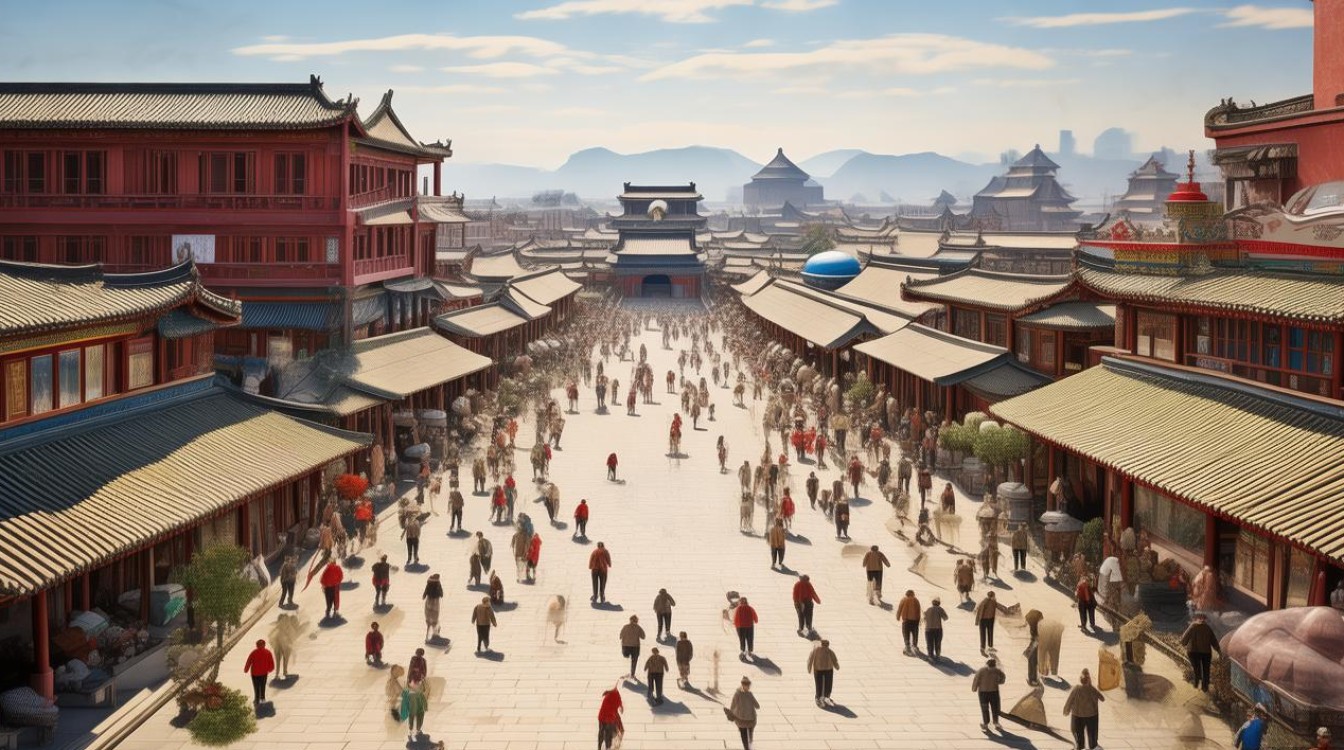
The Terracotta Army, often hailed as the "Eighth Wonder of the World," is undoubtedly Xi'an crown jewel. Discovered in 1974 by local farmers digging a well, this underground army was built to protect Emperor Qin Shi Huang, the first emperor of unified China, in the afterlife. The site consists of four main pits, each housing thousands of life-sized terracotta figures, including infantrymen, archers, charioteers, and officers. Every warrior is intricately detailed, with unique facial features, hairstyles, and armor, reflecting the high level of craftsmanship during the Qin Dynasty. Pit 1, the largest, contains over 6,000 soldiers arranged in battle formation, while Pit 2 showcases cavalry and infantry units, and Pit 3 is believed to be the command center. A museum nearby displays artifacts such as bronze swords, chariots, and bronze birds, providing deeper insight into the Qin Dynasty's military and technological prowess. Visiting the Terracotta Army is not just a journey through history but a testament to ancient Chinese artistry and power.
Another iconic site is the Big Wild Goose Pagoda (Dayan Ta), a seven-story Buddhist pagoda built in 652 during the Tang Dynasty. Originally designed to house sutras and figurines brought back from India by the monk Xuanzang, it stands as a symbol of cultural exchange between China and ancient India. The pagoda, located in the Da Ci'en Temple complex, features traditional Chinese architectural style with elegant eaves and a sturdy brick structure. Climbing to the top offers panoramic views of Xi'an, including the nearby Shaanxi History Museum. The surrounding area is equally charming, with the Tang West Market and a musical fountain show that illuminates the pagoda at night, blending history with modern entertainment.
For a deeper dive into Xi'an's role as a cultural melting pot, the Shaanxi History Museum is indispensable. Often compared to a "Chinese treasure house," this museum houses over 370,000 artifacts spanning prehistoric times to the Qing Dynasty. Its most prized exhibits include the Tang Dynasty's tri-color glazed pottery (Tang San Cai), known for its vibrant hues of yellow, green, and brown, depicting camels, court ladies, and mythical creatures. The museum also displays ancient bronzes, jade carvings, and murals from Tang tombs, offering a comprehensive overview of Shaanxi's artistic and historical legacy. With free entry (though advance booking is recommended), it is a must-visit for history enthusiasts.
Xi'an City Wall, one of the best-preserved ancient city walls in China, provides a unique perspective on the city's past. Built during the Ming Dynasty in the 14th century, this 14-kilometer-long fortification encircles the old city and features gates, watchtowers, and a moat. Visitors can walk, cycle, or take an electric cart along the top, enjoying views of the city's skyline and traditional architecture. The South Gate (Yongning Gate) is the main entrance, where evening performances and cultural activities often take place. Cycling the entire wall takes about 2-3 hours, making it a popular activity for both locals and tourists seeking a mix of exercise and sightseeing.
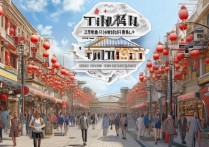
No visit to Xi'an is complete without exploring the Muslim Quarter, a vibrant neighborhood that reflects the city's multicultural heritage. Home to the Great Mosque, one of China's oldest and best-preserved Islamic mosques, the area is a bustling hub of food stalls, souvenir shops, and historic lanes. The Great Mosque, built in the Tang Dynasty, showcases a unique blend of Chinese and Islamic architectural styles, with its courtyards, pavilions, and the iconic octagonal "Moon Pavilion." Nearby, the Muslim Street comes alive at night, offering an array of local delicacies such as roujiamo (Chinese hamburger), paomo (bread soaked in lamb soup), and sweet persimmon cakes. The lively atmosphere and aromatic scents make it a sensory delight for visitors.
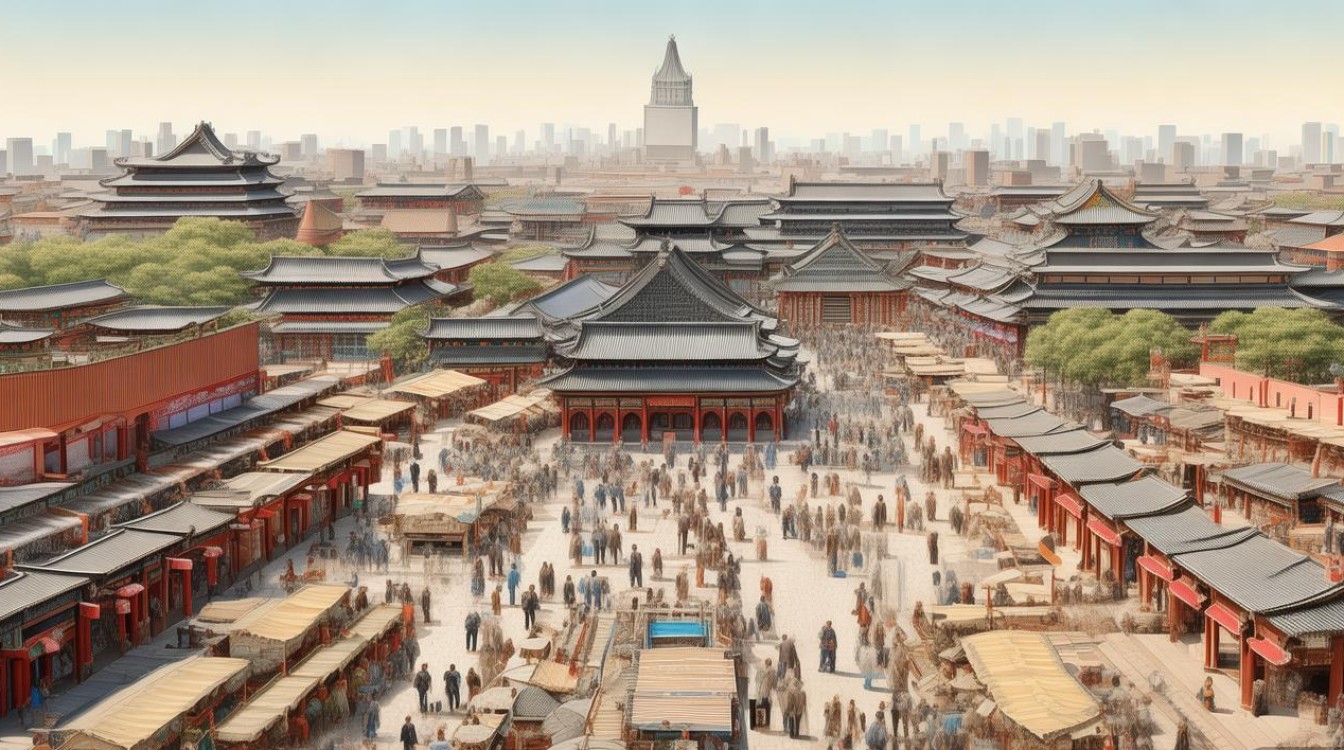
Another spiritual landmark is the Famen Temple, located 120 kilometers from Xi'an's city center. This ancient Buddhist temple is renowned for housing the Finger Bone Relic of Sakyamuni, making it one of the most sacred sites in Chinese Buddhism. The temple complex includes a grand hall, a pagoda, and a museum displaying royal treasures offered by emperors over the centuries. The most striking feature is the Underground Palace, discovered in 1987, which contained the relic along with thousands of gold and silver artifacts. A visit to Famen Temple offers a serene and culturally enriching experience, especially during Buddhist festivals when the temple is adorned with lanterns and incense.
For those interested in natural beauty and history, the Huaqing Hot Springs provide a scenic retreat. Nestled at the foot of Mount Li, this royal bathing complex dates back to the Zhou Dynasty and gained fame during the Tang Dynasty as the favored residence of Emperor Xuanzong and his consort Yang Guifei. The springs are fed by mineral-rich waters, believed to have healing properties, and the surrounding gardens feature pavilions, pools, and the famous "Huaqing Pool," where Yang Guifei once bathed. The site also includes the site of the Xi'an Incident, a pivotal event in modern Chinese history, adding a layer of historical significance to its natural charm.
To summarize Xi'an's top attractions, the following table provides a quick overview:
| Attraction | Key Features | Best Time to Visit |
|---|---|---|
| Terracotta Army | Life-sized terracotta warriors, bronze chariots, Qin Dynasty artifacts | Morning (avoid crowds) |
| Big Wild Goose Pagoda | Buddhist pagoda, Tang Dynasty architecture, night fountain show | Evening for fountain show |
| Shaanxi History Museum | Tang San Cai pottery, ancient bronzes, murals | Weekdays (less crowded) |
| City Wall | Ming Dynasty fortification, cycling, panoramic city views | Sunset for golden hour views |
| Muslim Quarter | Great Mosque, street food, cultural diversity | Evening for vibrant atmosphere |
| Famen Temple | Finger Bone Relic, Underground Palace, royal treasures | Spring or autumn festivals |
| Huaqing Hot Springs | Mineral springs, imperial gardens, historical significance | Winter for hot spring relaxation |
Xi'an's allure lies not only in its historical sites but also in its ability to seamlessly blend the ancient with the modern. From the awe-inspiring Terracotta Army to the bustling Muslim Quarter, each attraction tells a story of China's past, while its modern developments, such as the high-speed rail connecting it to other cities, showcase its progress. Whether you are a history buff, a food lover, or a cultural explorer, Xi'an promises an unforgettable journey through time.
FAQs
Q: What is the best way to get around Xi'an's tourist attractions?
A: Xi'an has an efficient public transportation system, including metro lines that connect major sites like the Terracotta Army, City Wall, and Big Wild Goose Pagoda. Taxis and ride-sharing apps like Didi are also widely available. For shorter distances, renting a bicycle is a popular option, especially for exploring the City Wall. Additionally, guided tours offer convenient transportation and in-depth insights into the attractions.
Q: Are there any special customs or etiquette to follow when visiting religious sites in Xi'an?
A: When visiting religious sites like the Great Mosque or Famen Temple, it is important to dress modestly—cover shoulders and knees. Remove shoes before entering prayer halls or sacred areas. Photography may be restricted in certain sections, so always look for signs or ask for permission. For the Great Mosque, avoid loud conversations and be respectful of worshippers, especially during prayer times.
版权声明:本文由 数字洲食旅 发布,如需转载请注明出处。









 冀ICP备2021017634号-11
 冀公网安备13062802000116号