

北京旅游景点英语翻译有哪些实用技巧和常见表达?
Beijing, the capital of China, is a city where ancient history seamlessly blends with modernity, offering a wealth of attractions that cater to all kinds of travelers. From the magnificent Forbidden City to the serene Summer Palace, from the historic Great Wall to the vibrant hutongs, each site tells a unique story of China’s rich cultural heritage and enduring legacy. For international visitors, understanding these attractions in English not only enhances the travel experience but also facilitates better communication and deeper appreciation of Beijing’s significance.
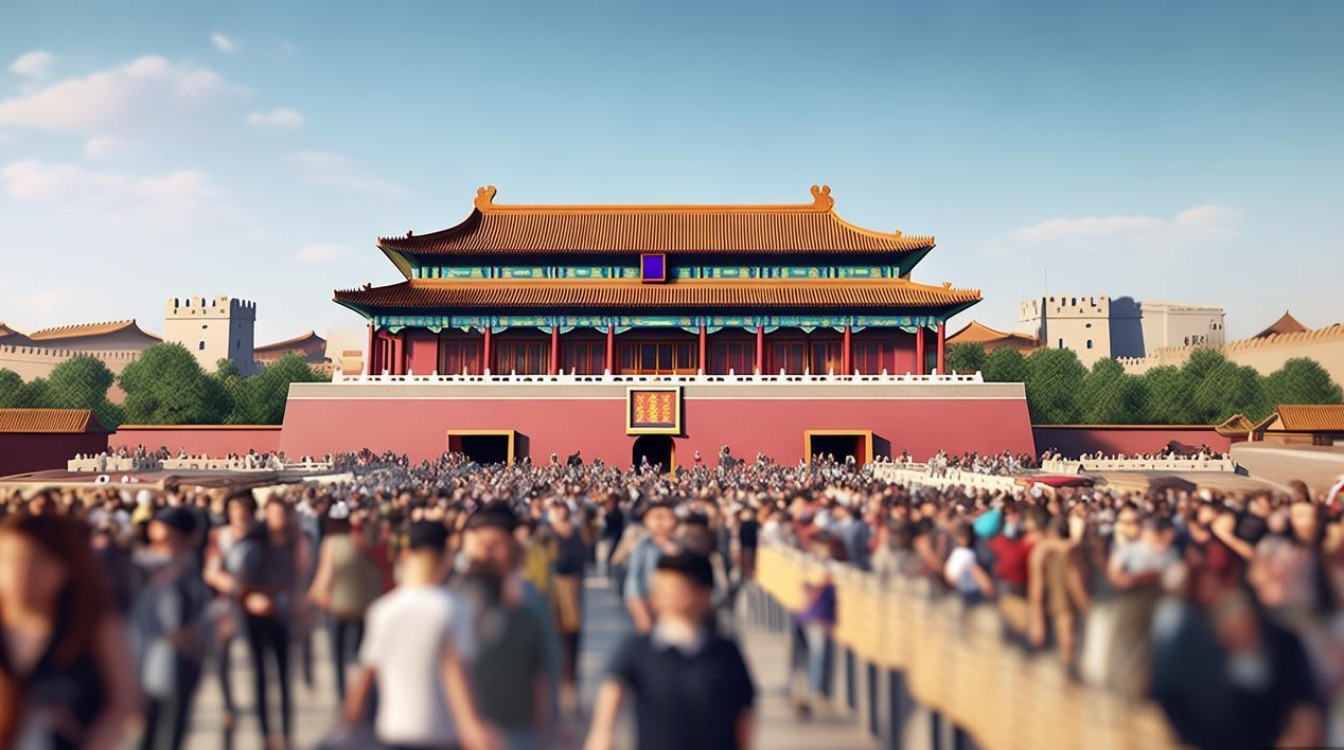
One of the most iconic landmarks in Beijing is the Forbidden City, also known as the Palace Museum. Located in the heart of the city, this vast complex served as the imperial palace for 24 emperors during the Ming and Qing dynasties (1420–1912). Covering an area of 720,000 square meters, it consists of 980 buildings with over 8,700 rooms, making it the largest wooden structure in the world. In English, it is often referred to as the "Forbidden City" because entry was strictly forbidden to common people without the emperor’s permission. Today, it is a UNESCO World Heritage Site and a must-visit destination for history enthusiasts. Key areas to explore include the Hall of Supreme Harmony, where emperors held important ceremonies, and the Imperial Garden, a tranquil oasis with pavilions, rockeries, and ancient trees. Audio guides in English are available, providing detailed insights into the history and cultural significance of each section.
Another UNESCO-listed marvel is the Great Wall of China, which stretches over 21,000 kilometers across northern China. Near Beijing, several sections have been restored and opened to tourists, each offering a different experience. The most popular section is Badaling, known for its well-preserved walls and convenient access via cable car. Mutianyu, on the other hand, is less crowded and features both cable car and toboggan rides, making it a favorite among families. For those seeking a more adventurous hike, Jinshanling and Simatai offer rugged, unrestored sections with breathtaking views of the surrounding mountains. In English, the Great Wall is often described as a "symbol of Chinese civilization," and its history as a defensive structure dating back over 2,000 years is a fascinating topic for guided tours. Many tour operators offer English-speaking guides who share stories of the wall’s construction, military significance, and the legends associated with it.
The Summer Palace, or Yiheyuan in Chinese, is another essential attraction that showcases the elegance of imperial garden design. Originally a royal garden in the Qing Dynasty, it covers an area of 2.9 square kilometers, with three-quarters being water, mainly Kunming Lake. The palace is renowned for its beautiful landscapes, including the Long Corridor, a 728-meter covered walkway adorned with over 14,000 paintings depicting scenes from Chinese literature and history. In English, the Summer Palace is often praised for its "harmonious blend of natural scenery and artificial architecture." Visitors can take a boat ride on Kunming Lake, climb the Longevity Hill for panoramic views, or explore the Marble Boat, a unique structure built with marble and decorated with intricate carvings. English audio guides and guided tours are widely available, helping visitors understand the cultural and historical context of the site.
Beyond these grand landmarks, Beijing’s hutongs offer a glimpse into the city’s traditional way of life. Hutongs are narrow alleyways formed by courtyard residences (siheyuan) that have been a characteristic of Beijing’s urban layout for centuries. The most famous hutong area is Nanluoguxiang, where old hutongs have been transformed into a bustling hub of shops, cafes, and street food. For a more authentic experience, visitors can explore the hutongs around Houhai Lake, where they can take a rickshaw ride, visit a local family’s siheyuan, or enjoy a traditional Peking duck dinner in a century-old restaurant. In English, hutongs are often described as "living museums of Beijing’s history," and many tour companies offer themed tours in English, focusing on the architecture, lifestyle, and stories of these historic neighborhoods.
Beijing is also a city of religious and cultural diversity, with sites such as the Temple of Heaven, Lama Temple, and Confucius Temple offering insights into different spiritual traditions. The Temple of Heaven, a complex of religious buildings where emperors of the Ming and Qing dynasties performed annual ceremonies to pray for good harvests, is particularly popular. Its Hall of Prayer for Good Harvests, with its triple-gabled roof and blue tiles, is an architectural masterpiece. In English, the temple is often highlighted for its "symbolic representation of the relationship between heaven and earth." English-speaking guides explain the significance of the temple’s design, such as the use of numbers (e.g., the 28 pillars in the inner circle representing the 28 constellations) and the rituals performed by the emperors.
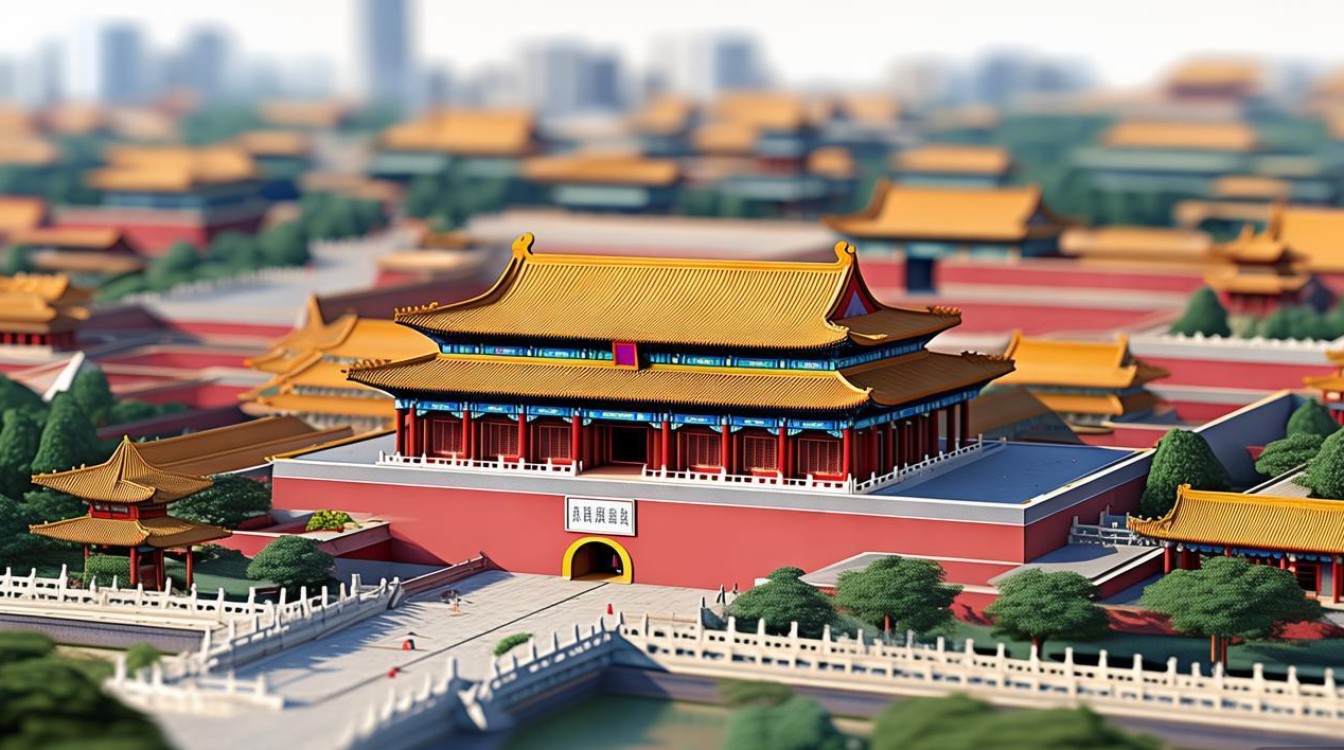
For art and culture enthusiasts, the 798 Art District is a must-visit. Located in a former military factory complex, this area has been transformed into a vibrant hub of contemporary art galleries, studios, and design shops. The district’s industrial architecture, with its high ceilings and exposed brick walls, provides a unique backdrop for modern art exhibitions. In English, 798 is often described as "a symbol of Beijing’s creative and artistic renaissance." Many galleries offer information in English, and some provide guided tours in English to help visitors understand the exhibits and the artists behind them.
To help visitors plan their trip, here is a table summarizing some of Beijing’s top attractions, their English names, key features, and recommended visiting times:
| Attraction (English Name) | Key Features | Recommended Visiting Time |
|---|---|---|
| Forbidden City (Palace Museum) | Largest wooden palace complex, imperial architecture, 980 buildings | 3–4 hours |
| Great Wall (Badaling/Mutianyu) | Ancient defensive wall, stunning mountain views, cable car access | Half-day to full day |
| Summer Palace (Yiheyuan) | Imperial garden, Kunming Lake, Long Corridor with paintings | 2–3 hours |
| Temple of Heaven | Circular architecture, emperors’ prayer ceremonies, park atmosphere | 2–3 hours |
| Hutongs (Nanluoguxiang/Houhai) | Traditional alleyways, courtyard houses, local food and culture | 2–4 hours |
| 798 Art District | Contemporary art galleries, industrial architecture, creative shops | 2–3 hours |
In addition to these attractions, Beijing offers a vibrant culinary scene, with dishes like Peking duck, hotpot, and dumplings that are famous worldwide. Many restaurants in tourist areas provide English menus, and some even offer cooking classes in English, allowing visitors to learn how to make these iconic dishes.
To make the most of a visit to Beijing, it is advisable to plan ahead, book tickets for popular attractions in advance (especially during peak seasons), and use public transportation or guided tours to navigate the city efficiently. English is widely spoken in hotels, restaurants, and tourist sites, but learning a few basic Chinese phrases can enhance the interaction with locals.
FAQs
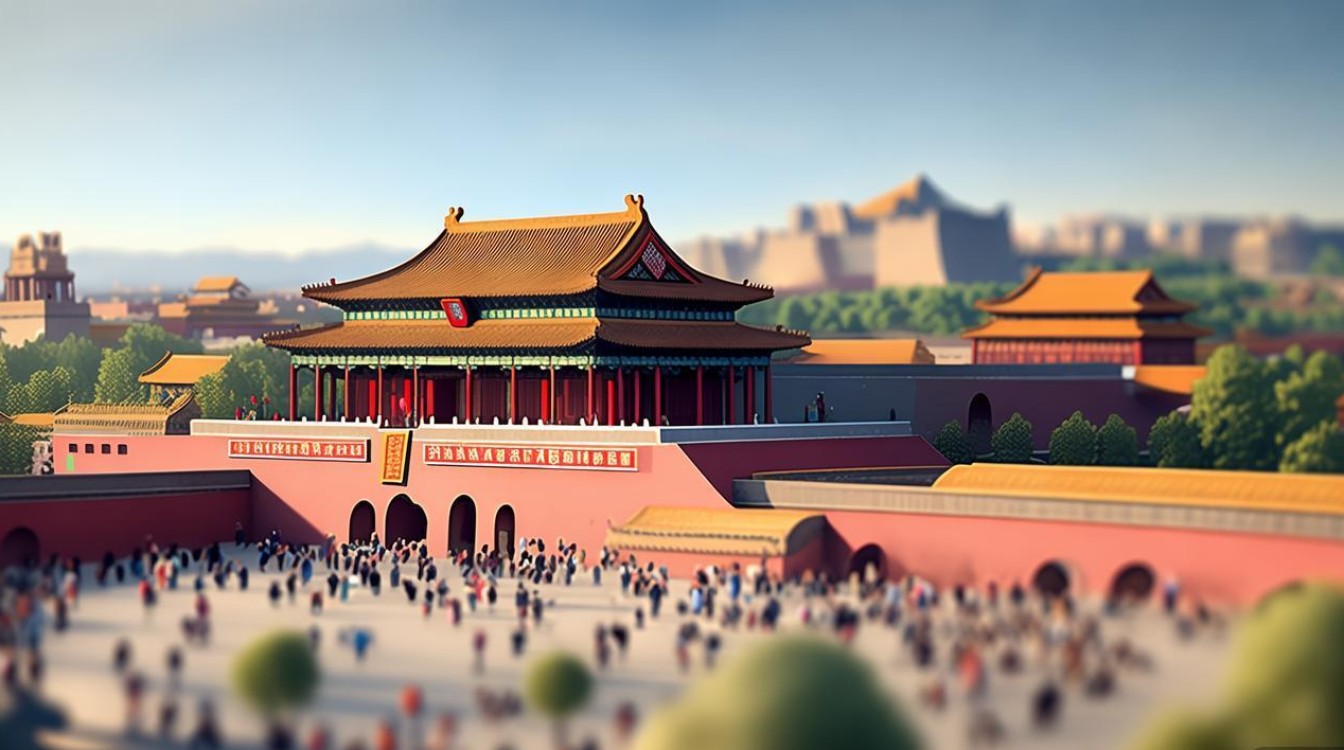
Q: What is the best way to visit the Great Wall from Beijing, and is English guidance available?
A: The Great Wall can be accessed from Beijing via bus, train, or organized tours. For convenience, many travelers choose guided tours, which often include round-trip transportation and an English-speaking guide. Independent travelers can take the tourist bus (Bus 877 or 919) to Badaling or the train from Beijing North Railway Station to Huanghuacheng or Mutianyu. English audio guides are available at most sections, and some tour companies offer private English guides for a more personalized experience.
Q: Are there any guided tours in English for the Forbidden City and Summer Palace?
A: Yes, both the Forbidden City and Summer Palace offer guided tours in English. These can be booked online through official platforms or on-site at the ticket counters. Additionally, many third-party tour operators in Beijing provide English-guided group or private tours, which often include skip-the-line tickets and in-depth explanations of the history and cultural significance of the sites. Audio guides in English are also available for rent at both attractions.
版权声明:本文由 数字洲食旅 发布,如需转载请注明出处。




 冀ICP备2021017634号-11
 冀公网安备13062802000116号