

北京旅游景点英文名称有哪些?
Beijing, the capital of China, is a city where ancient history seamlessly blends with modernity, offering a wealth of attractions that cater to all kinds of travelers. From imperial palaces and historic temples to bustling hutongs and contemporary art spaces, the city’s diverse landscape ensures there’s something for everyone. For international visitors, understanding the English names and cultural significance of these sites is essential for a smooth and enriching experience. Below is a detailed guide to some of Beijing’s most iconic tourist attractions, complete with their English names, historical backgrounds, and tips for visitors.
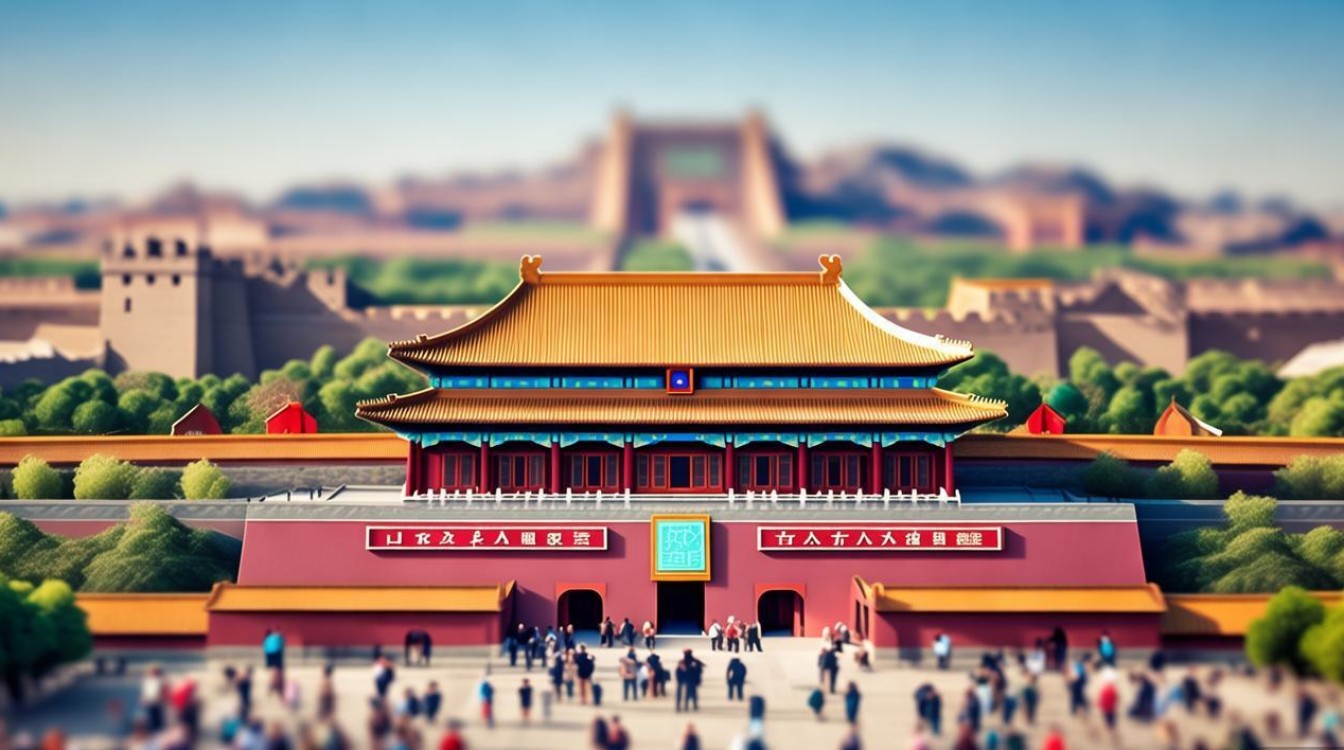
The Forbidden City, also known as the Palace Museum, is undoubtedly the crown jewel of Beijing’s attractions. As the imperial palace for 24 emperors during the Ming and Qing dynasties (1368–1912), it spans 720,000 square meters and consists of 980 buildings. Its English name, "Forbidden City," reflects the fact that it was off-limits to the public for centuries. Today, visitors can explore its grand halls, intricate courtyards, and vast collections of imperial artifacts, including porcelain, paintings, and jewelry. The palace’s layout follows strict traditional Chinese principles of symmetry and feng shui, with the Outer Court used for ceremonial purposes and the Inner Court serving as the emperors’ residence. A guided tour in English is highly recommended to fully appreciate the historical and architectural details.
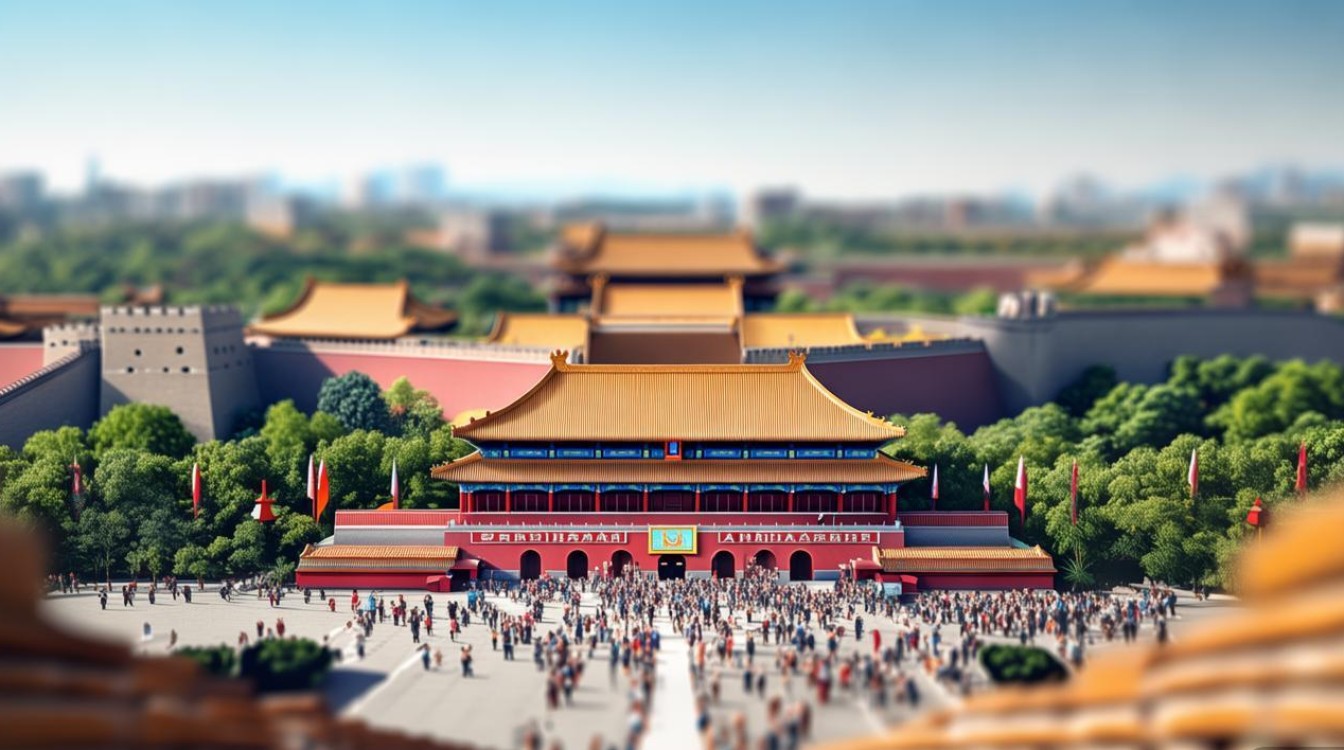
Adjacent to the Forbidden City is Tiananmen Square, one of the largest public squares in the world. Its English name, "Tiananmen," translates to "Gate of Heavenly Peace," which is the monumental gate that marks the northern entrance of the square. The square has witnessed pivotal moments in Chinese history, from the proclamation of the People’s Republic of China in 1949 to modern-day celebrations. Surrounding the square are several important landmarks, including the Monument to the People’s Heroes, the Great Hall of the People, and the Mausoleum of Mao Zedong. Visitors should note that security is strict, and it’s advisable to carry identification when visiting.
Another must-visit site is the Great Wall of China, a UNESCO World Heritage Site and one of the most iconic structures in the world. While several sections of the wall are accessible from Beijing, the most popular ones for tourists include Badaling, Mutianyu, and Jinshanling. The English name "Great Wall" is a direct translation of its Chinese name, "Changcheng," which literally means "long wall." Badaling is the most well-preserved and easily accessible section, making it ideal for first-time visitors. Mutianyu, on the other hand, offers stunning views and fewer crowds, while Jinshanling is perfect for those seeking a more adventurous hiking experience. Each section has its own unique charm, and visitors can choose cable cars or chairlifts to ascend, though climbing the steps is a rewarding challenge.
For a taste of Beijing’s religious and cultural heritage, the Summer Palace is a top destination. Known as "Yiheyuan" in Chinese, its English name, "Summer Palace," reflects its historical use as a royal retreat during the hot summer months. The palace is renowned for its beautiful landscapes, including Kunming Lake, Longevity Hill, and the Marble Boat. Visitors can stroll through the corridors that line the lake, admire the intricate architecture of the Hall of Benevolence and Longevity, and take a boat ride on the lake to enjoy the scenery. The Summer Palace is a masterpiece of Chinese garden design, combining natural beauty with artificial elements in harmony.
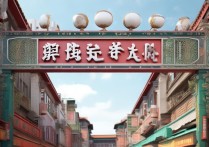
No trip to Beijing is complete without exploring its hutongs, ancient alleyways that form the traditional heart of the city. The English word "hutong" is derived from the Mongolian word "hottog," meaning "water well," as these lanes originally developed around wells. The best way to experience hutongs is by taking a rickshaw tour or simply wandering on foot. Nanluoguxiang and Qianmen Street are popular hutong areas that offer a mix of traditional courtyard homes (siheyuan) and modern boutiques, cafes, and street food stalls. Visitors can try local snacks like "jianbing" (Chinese crepes) and "douzhi" (soybean milk) while soaking in the vibrant atmosphere.
For art and culture enthusiasts, the 798 Art District is a must-visit. Located in a former military factory complex, this area has been transformed into a thriving hub for contemporary art, galleries, and design studios. Its English name, "798 Art District," comes from the factory’s original code number. The district’s industrial architecture, with its high ceilings and exposed brick walls, provides a unique backdrop for art exhibitions, installations, and performances. Visitors can explore galleries showcasing works by both Chinese and international artists, as well as browse independent bookstores and craft shops.
To help visitors plan their trip more effectively, here is a table summarizing some of Beijing’s key tourist attractions, their English names, and highlights:
| Attraction (English Name) | Chinese Name | Key Highlights |
|---|---|---|
| Forbidden City | 故宫 (Gùgōng) | Imperial palace, 980 buildings, imperial artifacts |
| Tiananmen Square | 天安门广场 (Tiān'ānmén Guǎngchǎng) | Largest public square, Monument to the People’s Heroes |
| Great Wall | 长城 (Chángchéng) | Badaling, Mutianyu, Jinshanling sections, hiking and cable cars |
| Summer Palace | 颐和园 (Yíhéyuán) | Kunming Lake, Marble Boat, traditional Chinese gardens |
| Hutongs | 胡同 (Hútòng) | Ancient alleyways, courtyard homes, street food |
| 798 Art District | 798艺术区 (Qījiǔbā Yìshùqū) | Contemporary art, galleries, industrial architecture |
In addition to these attractions, Beijing offers many other sites worth exploring, such as the Temple of Heaven (Tiantan), where emperors once performed rituals for good harvests, and the Lama Temple (Yonghegong), a Tibetan Buddhist temple with a stunning 26-meter-tall statue of Maitreya Buddha. The city’s culinary scene is also a major draw, with Peking duck, hot pot, and zhajiangmian (noodles with soybean paste) being must-try dishes.
For visitors looking to make the most of their time in Beijing, here are some practical tips: Book tickets for popular attractions like the Forbidden City and Great Wall in advance to avoid long queues. Wear comfortable shoes, as many sites involve extensive walking. Learn a few basic Chinese phrases, such as "nǐ hǎo" (hello) and "xiè xie" (thank you), as English is not widely spoken outside major tourist areas. Lastly, respect local customs and traditions, such as not touching artifacts in museums and avoiding loud behavior in sacred sites.
FAQs
-
Q: What is the best time of year to visit Beijing’s tourist attractions?
A: The best times to visit Beijing are during spring (April to May) and autumn (September to October), when the weather is mild and pleasant. Spring brings blooming flowers and cherry blossoms, while autumn offers clear skies and colorful foliage. Summer (June to August) can be hot and crowded, with occasional rain, while winter (November to February) is cold but less crowded, with the added charm of snow-covered landscapes. -
Q: Are English-speaking guides available at Beijing’s major attractions?
A: Yes, English-speaking guides are available at most major attractions, including the Forbidden City, Great Wall, and Summer Palace. Guides can be hired on-site or booked in advance through travel agencies. Many attractions also offer audio guides in English, which provide detailed information about the history and significance of the sites. Additionally, some larger venues, like the Palace Museum, have multilingual signage and brochures to assist international visitors.
版权声明:本文由 数字洲食旅 发布,如需转载请注明出处。



 冀ICP备2021017634号-11
 冀公网安备13062802000116号