

中国著名景点英文翻译有哪些常见误区?
China, a country with a history spanning thousands of years and a land of diverse landscapes, boasts a wealth of world-renowned tourist attractions that draw millions of visitors annually. These sites, ranging from ancient wonders to natural masterpieces, not only showcase the richness of Chinese culture and history but also reflect the country’s unique blend of tradition and modernity. In this introduction, we will explore some of the most famous Chinese attractions, their historical significance, cultural value, and the reasons why they have captivated the global audience.
One of the most iconic symbols of China is the Great Wall, a series of fortifications stretching over 13,000 miles across northern China. Built over several dynasties, primarily during the Ming Dynasty (1368–1644), the Great Wall was constructed to protect Chinese states from invasions. Today, it stands as a testament to ancient Chinese engineering and perseverance. Sections such as Badaling and Mutianyu are among the most visited, offering breathtaking views and a glimpse into the past. Walking along the wall, one cannot help but marvel at the sheer scale and the labor that went into its construction, as it winds like a dragon over mountains and valleys.
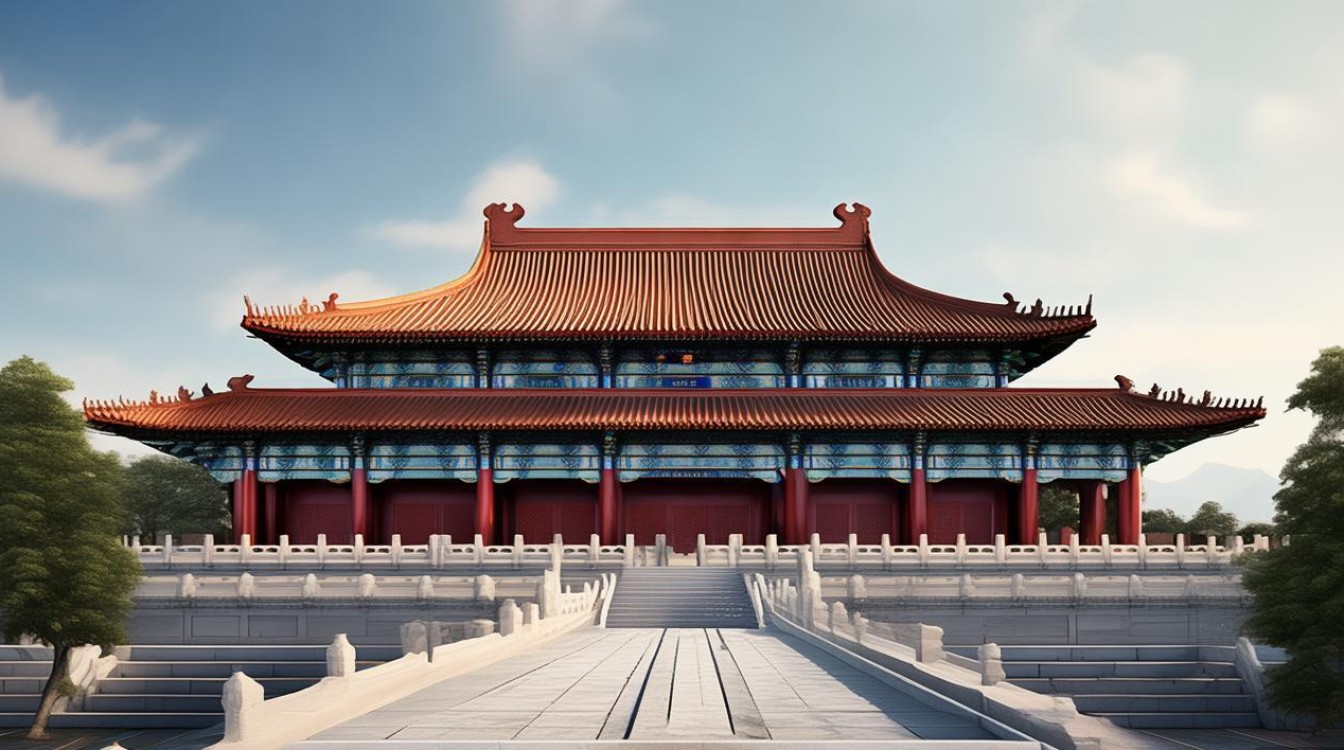
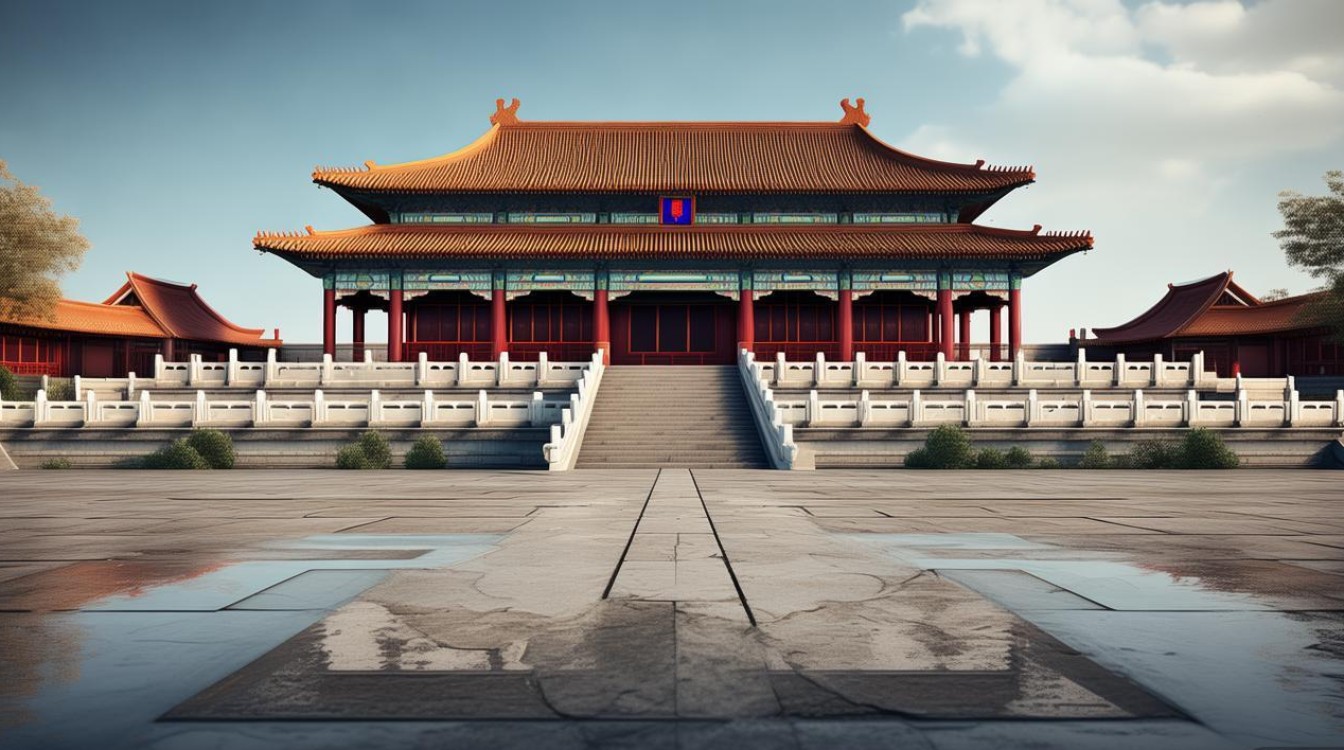
Another must-visit destination is the Forbidden City, also known as the Palace Museum, located in the heart of Beijing. As the imperial palace for 24 emperors during the Ming and Qing dynasties, it is the largest and most well-preserved wooden structure complex in the world. The Forbidden City’s intricate architecture, with its golden roofs, red walls, and elaborate courtyards, reflects the power and grandeur of imperial China. Visitors can explore numerous halls, each serving a specific purpose, from political ceremonies to private living quarters. The museum houses a vast collection of artifacts, including paintings, ceramics, and royal treasures, offering a comprehensive look into Chinese imperial life.
Moving from historical landmarks to natural wonders, the Yellow Mountain (Huangshan) in Anhui Province is a paradise for nature lovers and photographers. Famous for its “four wonders”—oddly shaped pine trees, grotesque rock formations, hot springs, and sea of clouds—Yellow Mountain has inspired countless artists and poets throughout Chinese history. Hiking trails lead visitors to stunning viewpoints such as Bright Peak and West Sea Grand Canyon, where the sunrise and sunset paint the sky in vibrant hues. The mountain’s unique combination of beauty and tranquility makes it a symbol of Chinese natural aesthetics.
In the southwestern part of China, the Jiuzhaigou Valley in Sichuan Province enchants visitors with its crystal-clear lakes, multi-colored waterfalls, and snow-capped peaks. Designated as a UNESCO World Heritage Site, Jiuzhaigou is renowned for its pristine ecosystem and breathtaking scenery. The valley’s lakes, such as Five-Color Lake and Panda Lake, derive their hues from mineral deposits and algae, creating a surreal landscape. Autumn transforms the valley into a riot of colors, with forests of golden aspen and red maple reflecting in the turquoise waters. Jiuzhaigou is not only a natural wonder but also a habitat for endangered species, including the giant panda and Sichuan golden snub-nosed monkey.
For those interested in cultural and religious heritage, the Longmen Grottoes in Luoyang, Henan Province, are a must-see. Carved into limestone cliffs along the Yi River, these grottoes contain over 100,000 Buddhist statues and 2,300 inscriptions, dating back to the Northern Wei Dynasty (386–534). The most iconic statue is the Vairocana Buddha, which stands 17 meters tall and is renowned for its serene expression and exquisite craftsmanship. The Longmen Grottoes represent the pinnacle of Buddhist art in ancient China and provide valuable insights into the religious and cultural exchanges along the Silk Road.
Another cultural gem is the Terracotta Army, discovered in 1974 near Xi’an, Shaanxi Province. This underground army consists of thousands of life-sized terracotta soldiers, each with unique facial features and armor, built to accompany Emperor Qin Shi Huang in the afterlife. The Terracotta Army is a remarkable example of ancient Chinese craftsmanship and reflects the emperor’s power and desire for immortality. The site, which includes pits displaying infantry, cavalry, and chariots, has been dubbed the “Eighth Wonder of the World” and offers a fascinating glimpse into China’s first imperial dynasty.
Modern China also boasts impressive attractions, such as the Shanghai Skyline, particularly the Lujiazui Financial District. With its futuristic skyscrapers, including the Oriental Pearl Tower, Shanghai Tower, and Jin Mao Tower, Lujiazui showcases China’s rapid economic development and architectural innovation. A visit to the Shanghai Tower’s observation deck provides a panoramic view of the city, where the historic Bund contrasts with the modern skyline, symbolizing the blend of tradition and modernity.
In addition to these well-known sites, China offers countless other attractions, each with its own unique charm. For example, the West Lake in Hangzhou, celebrated for its picturesque scenery and poetic landscapes, has inspired countless artists and writers. The ancient town of Lijiang in Yunnan Province, with its well-preserved Naxi architecture and canals, offers a glimpse into traditional Chinese life. The Zhangjiajie National Forest Park, with its towering sandstone pillars, served as the inspiration for the floating mountains in the movie Avatar.
To better understand the diversity of China’s famous attractions, the following table provides a brief overview of some of the most notable sites:
| Attraction Name | Location | Key Features | UNESCO Status |
|---|---|---|---|
| Great Wall | Northern China | Ancient fortification, Ming Dynasty architecture | World Heritage Site |
| Forbidden City | Beijing | Imperial palace, largest wooden complex | World Heritage Site |
| Yellow Mountain | Anhui Province | Pine trees, rock formations, sea of clouds | World Heritage Site |
| Jiuzhaigou Valley | Sichuan Province | Multi-colored lakes, waterfalls, peaks | World Heritage Site |
| Longmen Grottoes | Henan Province | Buddhist statues, ancient inscriptions | World Heritage Site |
| Terracotta Army | Shaanxi Province | Life-sized terracotta soldiers, Emperor Qin’s tomb | World Heritage Site |
| West Lake | Zhejiang Province | Scenic lakes, bridges, pavilions | World Heritage Site |
| Lijiang Ancient Town | Yunnan Province | Naxi architecture, canals, traditional culture | World Heritage Site |
In conclusion, China’s famous attractions offer a diverse and immersive experience, combining history, culture, and natural beauty. From the ancient grandeur of the Great Wall and the Forbidden City to the serene landscapes of Yellow Mountain and Jiuzhaigou, these sites not only highlight China’s rich heritage but also its enduring appeal to travelers worldwide. Whether exploring the depths of history or marveling at modern innovation, visitors to China are sure to be enchanted by the country’s endless wonders.
FAQs
-
Q: What is the best time to visit the Great Wall?
A: The best time to visit the Great Wall is during spring (April to May) and autumn (September to October) when the weather is mild and the scenery is beautiful. Summer (June to August) can be hot and crowded, while winter (November to March) is cold but offers a quieter experience with snow-covered views. -
Q: How long does it take to explore the Forbidden City?
A: To fully explore the Forbidden City, it is recommended to allocate at least half a day (3-4 hours). However, if you wish to visit all the halls, exhibitions, and the surrounding areas, a full day would be more ideal. The museum is vast, so wearing comfortable shoes is advisable.
版权声明:本文由 数字洲食旅 发布,如需转载请注明出处。





 冀ICP备2021017634号-11
 冀公网安备13062802000116号