

南京景点英文介绍
Nanjing, the capital of Jiangsu Province, is a city where ancient history and modernity blend seamlessly. With a history spanning over 2,500 years, it has served as the capital for ten dynasties, leaving behind a wealth of cultural and historical landmarks. From imperial palaces to memorial halls, from tranquil lakes to bustling streets, Nanjing offers a diverse array of attractions that cater to all kinds of travelers.
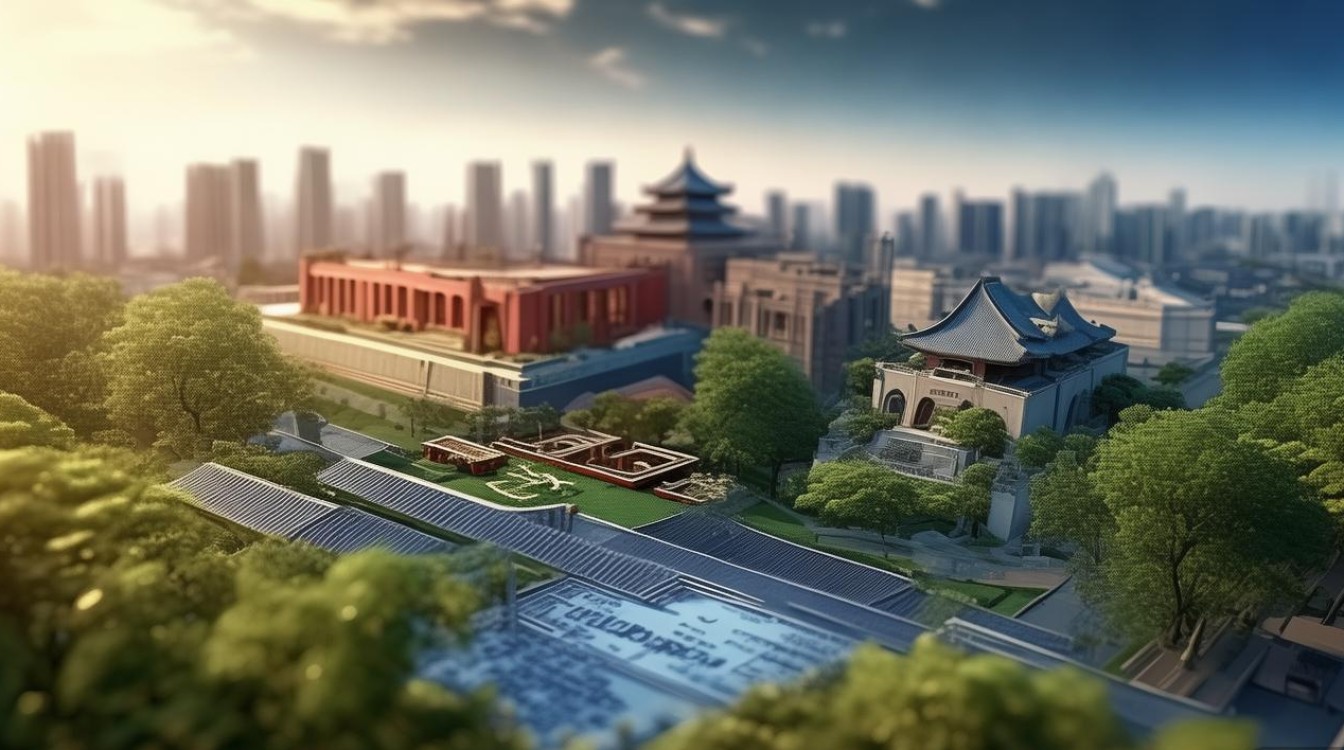
One of the most iconic sites is the Sun Yat-sen Mausoleum, located in the Purple Mountain Scenic Area. This grand mausoleum honors Dr. Sun Yat-sen, the great pioneer of China's democratic revolution. The complex covers an area of over 80,000 square meters and is designed in a traditional Chinese style with blue tiles and white walls. Visitors start at the Gate of Fraternity, pass through the Sacrificial Hall, and finally reach the vault where Dr. Sun's body rests. The journey involves climbing 392 steps, symbolizing the 392 million Chinese people united under his ideals. Surrounded by lush pine trees and serene landscapes, the mausoleum is not only a tribute to a historical figure but also a place of quiet reflection.
Nearby, the Ming Xiaoling Mausoleum, the tomb of the Hongwu Emperor (Zhu Yuanzhang), the founder of the Ming Dynasty, is another must-visit. This UNESCO World Heritage Site is known for its Sacred Way, a 1,800-meter path lined with stone statues of mythical and real animals, as well as officials, all standing guard in solemn silence. The path leads to the Stele Pavilion, which houses a giant stone tablet inscribed with the emperor's achievements. The mausoleum's architecture reflects the grandeur of imperial China, with its intricate details and harmonious integration with the natural terrain.
For those interested in modern history, the Nanjing Massacre Memorial Hall is a deeply moving and essential stop. Opened in 1985, this memorial commemorates the hundreds of thousands of victims who lost their lives during the 1937 Nanjing Massacre by Japanese troops. The hall features a museum with exhibits including photographs, documents, and personal artifacts, as well as a "Wall of Names" inscribed with the names of identified victims. The peaceful atmosphere of the memorial, with its outdoor sculptures and eternal flame, serves as a powerful reminder of the importance of peace and historical remembrance.
Nanjing's natural beauty is best showcased at Xuanwu Lake, one of the three most famous lakes in China. Surrounded by the city walls, the lake covers an area of 44 hectares and is divided into five parts by dykes and islands. Visitors can take a boat ride to admire the lotus flowers in summer, visit the picturesque Jiangxian Pavilion, or stroll along the lake's banks lined with willow trees. The nearby Nanjing City Wall, the longest city wall in the world, offers a unique perspective of the city. Built in the 14th century, the wall stretches for over 35 kilometers, and parts of it are open to the public for walking or cycling. Climbing the wall at night, when it is beautifully illuminated, provides a magical view of Xuanwu Lake and the city skyline.

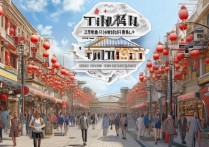
Another cultural gem is the Confucius Temple (Fuzimiao), a complex of temples, schools, and traditional buildings that date back to the Song Dynasty. Located along the Qinhuai River, the area is bustling with activity day and night. Visitors can explore the ancient temples, browse the traditional shops selling local snacks and handicrafts, or take a night cruise to enjoy the colorful lanterns reflected on the water. The nearby Qinhuai River is often called the "Mother River of Nanjing," and its banks are lined with historic sites, including the Zhanyuan Garden and the Taoye Ferry, offering a glimpse into the city's rich literary and artistic heritage.
For a taste of Nanjing's modern side, the Nanjing Yangtze River Bridge is an impressive feat of engineering. Opened in 1968, it was the first double-decker, double-track railway bridge to be designed and built by Chinese engineers. The upper level carries vehicles, while the lower level accommodates trains. Walking across the bridge, visitors can enjoy panoramic views of the Yangtze River and the city's skyline. At night, the bridge is illuminated with colorful lights, creating a stunning spectacle.
Nanjing is also a paradise for food lovers, with its local cuisine offering a unique blend of flavors. The city is famous for Nanjing Salted Duck, a dish with a history of over 600 years, known for its tender meat and savory taste. Other local specialties include duck blood soup and glutinous rice balls. Visitors can sample these dishes at the popular Hunan Road Food Street or in the traditional restaurants around the Confucius Temple.
In conclusion, Nanjing is a city that captivates visitors with its rich history, cultural landmarks, and natural beauty. Whether exploring the imperial mausoleums, paying respects at the memorial hall, or enjoying a leisurely boat ride on Xuanwu Lake, there is something for everyone. Its unique blend of the ancient and the modern makes it a destination that should not be missed.
FAQs
-
What is the best time to visit Nanjing?
The best time to visit Nanjing is during spring (March to May) and autumn (September to November). During these seasons, the weather is mild and pleasant, with comfortable temperatures for sightseeing. Spring brings blooming flowers, especially the cherry blossoms at the Purple Mountain, while autumn offers clear skies and beautiful foliage. Summer (June to August) can be hot and humid, with occasional rain, while winter (December to February) is cold, but the city's festive atmosphere and fewer crowds can make it a charming time to visit. -
How can I get around Nanjing efficiently?
Nanjing has an efficient public transportation system, including the metro, buses, and taxis. The metro is the most convenient way to travel, with extensive coverage of major attractions and affordable fares. Buses are also widely available, though they may be slower during peak hours. Taxis and ride-hailing services like Didi are readily available and offer door-to-door convenience. For shorter distances, renting a bicycle or using shared bikes is a popular option, especially around scenic areas like Xuanwu Lake. Additionally, some attractions, such as the Confucius Temple and Purple Mountain, can be explored on foot, allowing visitors to soak in the local atmosphere.
版权声明:本文由 数字洲食旅 发布,如需转载请注明出处。






 冀ICP备2021017634号-11
 冀公网安备13062802000116号