

西安景点英文介绍有哪些实用攻略?
Xi'an, an ancient city with a history spanning over 3,000 years, stands as a living museum of Chinese civilization. As the starting point of the Silk Road and the capital for 13 dynasties, including the powerful Han and Tang, it is home to some of the country's most iconic historical and cultural attractions. From the world-famous Terracotta Army to the majestic ancient city walls, Xi'an offers a captivating journey through time. This article provides a detailed introduction to its must-visit landmarks, highlighting their historical significance, unique features, and practical information for visitors.
The Terracotta Army, often hailed as the "Eighth Wonder of the World," is undoubtedly Xi'an crown jewel. Discovered in 1974 by local farmers while digging a well, this underground army was built to protect Emperor Qin Shi Huang, the first emperor of unified China, in the afterlife. The excavation site, part of the Mausoleum of the First Qin Emperor, reveals thousands of life-sized terracotta warriors, each with distinct facial features, hairstyles, and armor, reflecting the military might of the Qin Dynasty. The army is divided into pits: Pit 1, the largest, contains over 6,000 soldiers, horses, and chariots arranged in battle formation; Pit 2 showcases cavalry and infantry units; and Pit 3 is believed to be the command center. Beyond the warriors, bronze swords, arrowheads, and chariots with intricate craftsmanship have been unearthed, offering insights into ancient Chinese metallurgy and military technology. To preserve the original colors of the terracotta figures, a separate exhibition hall, the "Terracotta Army Figures Exhibition Hall," displays recently excavated artifacts with their vibrant pigments still intact. Visiting the Terracotta Army, located 30 kilometers east of Xi'an city center, typically takes 3-4 hours, and it is highly recommended to hire a guide to unravel the stories behind each warrior.
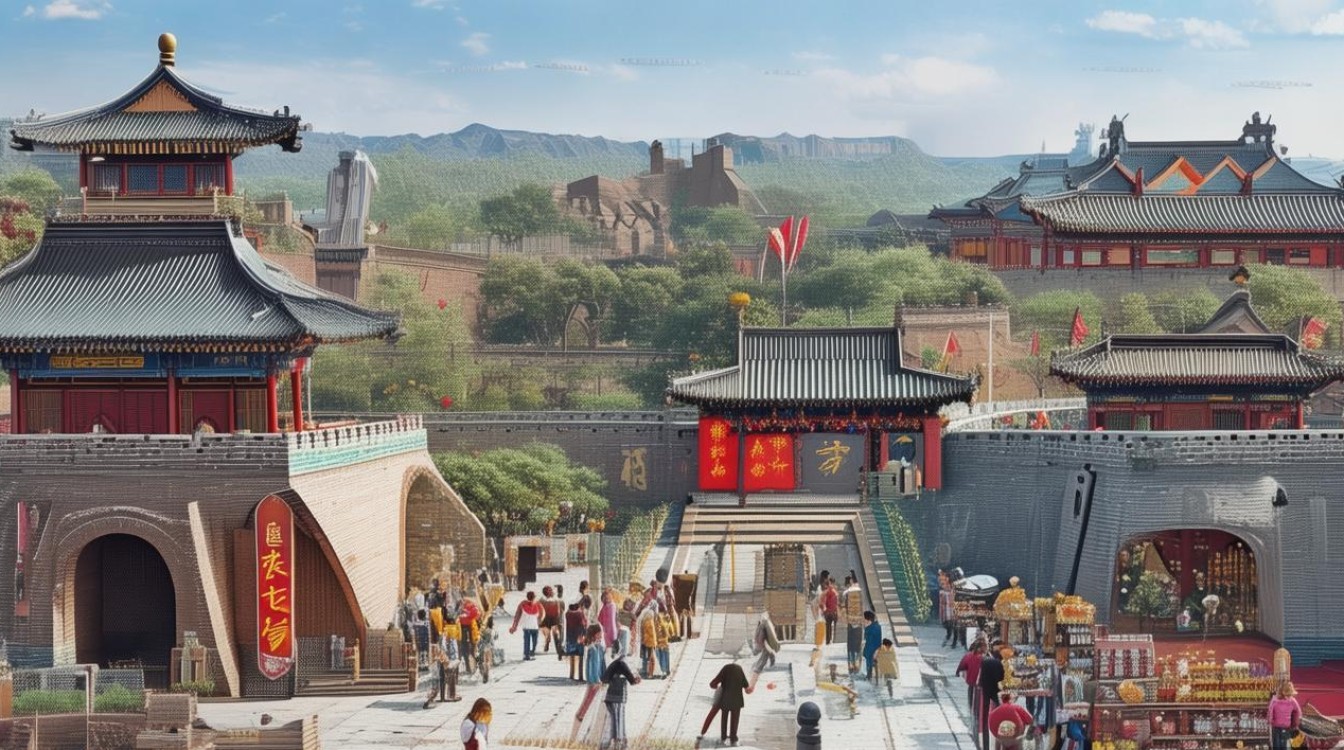
Another iconic symbol of Xi'an is the Ancient City Wall, one of the best-preserved city walls in China. Constructed during the Ming Dynasty (1370-1378), this massive structure stretches 13.74 kilometers in length, with a height of 12 meters and a width of 15-18 meters at the top. The wall encircles the old city, dividing it into distinct districts, each with its own charm. Visitors can explore the wall by renting a bicycle or taking an electric cart for a leisurely ride along its top, offering panoramic views of the city skyline and the bustling streets below. Key gates along the wall, such as the South Gate (Yongning Gate), host cultural performances and light shows in the evening, creating a magical atmosphere. For history enthusiasts, the Shaanxi History Museum, located near the South Gate, is a must-visit. Often called the "Chinese treasure house," it houses over 370,000 artifacts, including prehistoric pottery, bronze vessels from the Zhou Dynasty, Tang Dynasty tri-color glazed pottery (sancai), and ancient murals. The museum's exhibits are arranged chronologically, providing a comprehensive overview of Shaanxi's rich cultural heritage.
Xi'an Muslim Quarter, a vibrant hub of culture and cuisine, offers a different yet equally captivating experience. Located near the Bell Tower and Drum Tower, this bustling area has been a center for Muslim communities since the Tang Dynasty, when Arab and Persian traders settled along the Silk Road. The narrow streets are lined with traditional Islamic architecture, bustling markets, and countless food stalls serving local delicacies. Don’t miss the famous roujiamo (Chinese hamburger), paomo (crumbled bread soaked in lamb soup), and biangbiang noodles—thick, hand-pulled noodles named after the onomatopoeic sound of their preparation. The Great Mosque of Xi'an, hidden within the quarter, is a stunning example of Chinese Islamic architecture. Built in 742 AD during the Tang Dynasty, it blends traditional Chinese design with Islamic elements, featuring courtyards, pavilions, and a prayer hall with intricate Arabic calligraphy. Unlike many mosques, it has no domes or minarets, instead resembling a traditional Chinese temple. Visiting the Muslim Quarter is a feast for the senses, with the aroma of spices filling the air and the sound of vendors hawking their wares creating an lively ambiance.
For those seeking spiritual and natural beauty, the Famen Temple and Giant Wild Goose Pagoda are not to be missed. Famen Temple, located 120 kilometers west of Xi'an, is renowned for housing the Finger Bone Relic of Sakyamuni, the Buddha. The temple complex includes the Famen Temple Museum, which displays precious artifacts donated by emperors, and the Underground Palace, where the relic was discovered in 1987. The Giant Wild Goose Pagoda, in the southern suburbs of Xi'an, was built in 652 AD during the Tang Dynasty to house Buddhist scriptures brought back from India by the monk Xuanzang. A seven-story structure standing 64 meters tall, it offers a climb to the top for sweeping views of the city. The surrounding Tang Paradise, a theme park recreating the grandeur of the Tang Dynasty, features traditional music, dance performances, and beautifully landscaped gardens, making it a perfect spot for an evening out.

To help visitors plan their trip, here is a summary of key attractions with their highlights and visiting tips:
| Attraction | Key Highlights | Visiting Tips |
|---|---|---|
| Terracotta Army | Life-sized warriors, bronze chariots, ancient weapons | Hire a guide; allocate 3-4 hours; visit early to avoid crowds |
| Ancient City Wall | Ming Dynasty structure, cycling, city views | Rent a bike; visit South Gate for evening shows |
| Shaanxi History Museum | 370,000+ artifacts, Tang Dynasty tri-color pottery | Book tickets online; free entry (ID required); focus on Hall 1 for highlights |
| Muslim Quarter | Street food, Great Mosque, cultural fusion | Try local snacks; visit mosque during non-prayer hours |
| Famen Temple | Finger Bone Relic, Underground Palace, imperial donations | Join a day tour; combine with other attractions in Baoji |
| Giant Wild Goose Pagoda | Buddhist relics, city views, Tang Paradise nearby | Climb pagoda for sunset; visit Tang Paradise for evening entertainment |
In conclusion, Xi'an is a city where history comes alive, offering a unique blend of ancient wonders and vibrant modern culture. Whether marveling at the Terracotta Army, cycling on the city wall, or savoring street food in the Muslim Quarter, visitors are sure to be enchanted by its timeless charm. As a crossroads of civilizations, Xi'an not only preserves China's past but also invites the world to explore its rich heritage.
FAQs
-
What is the best time to visit Xi'an?
The best time to visit Xi'an is during spring (March-May) and autumn (September-November) when the weather is mild and pleasant. Spring brings blooming flowers and comfortable temperatures, while autumn offers clear skies and beautiful foliage. Summer (June-August) can be hot and humid, with occasional heavy rain, while winter (December-February) is cold but less crowded, making it ideal for budget travelers.
-
How can I get to the Terracotta Army from Xi'an city center?
The Terracotta Army is easily accessible from Xi'an city center. The most convenient way is to take the Tourist Line 5 bus from the East Bus Station or the subway line 3 to Beiyuanmen Station, then transfer to bus 915 or 914. Alternatively, you can hire a taxi or use ride-sharing apps like Didi, which takes about 30-40 minutes depending on traffic. Guided tours are also available, often including transportation and a guide, making it hassle-free for first-time visitors.
版权声明:本文由 数字洲食旅 发布,如需转载请注明出处。















 冀ICP备2021017634号-11
 冀公网安备13062802000116号