

北京景点英文介绍
Beijing, the capital of China, is a city where ancient history and modernity blend seamlessly, offering a wealth of attractions that showcase its rich cultural heritage and dynamic development. From imperial palaces and ancient temples to bustling hutongs and cutting-edge architectural marvels, each site tells a story of China's past, present, and future. This introduction provides a detailed overview of some of Beijing's most iconic landmarks, highlighting their historical significance, architectural features, and cultural value, to help visitors better understand and appreciate this magnificent city.
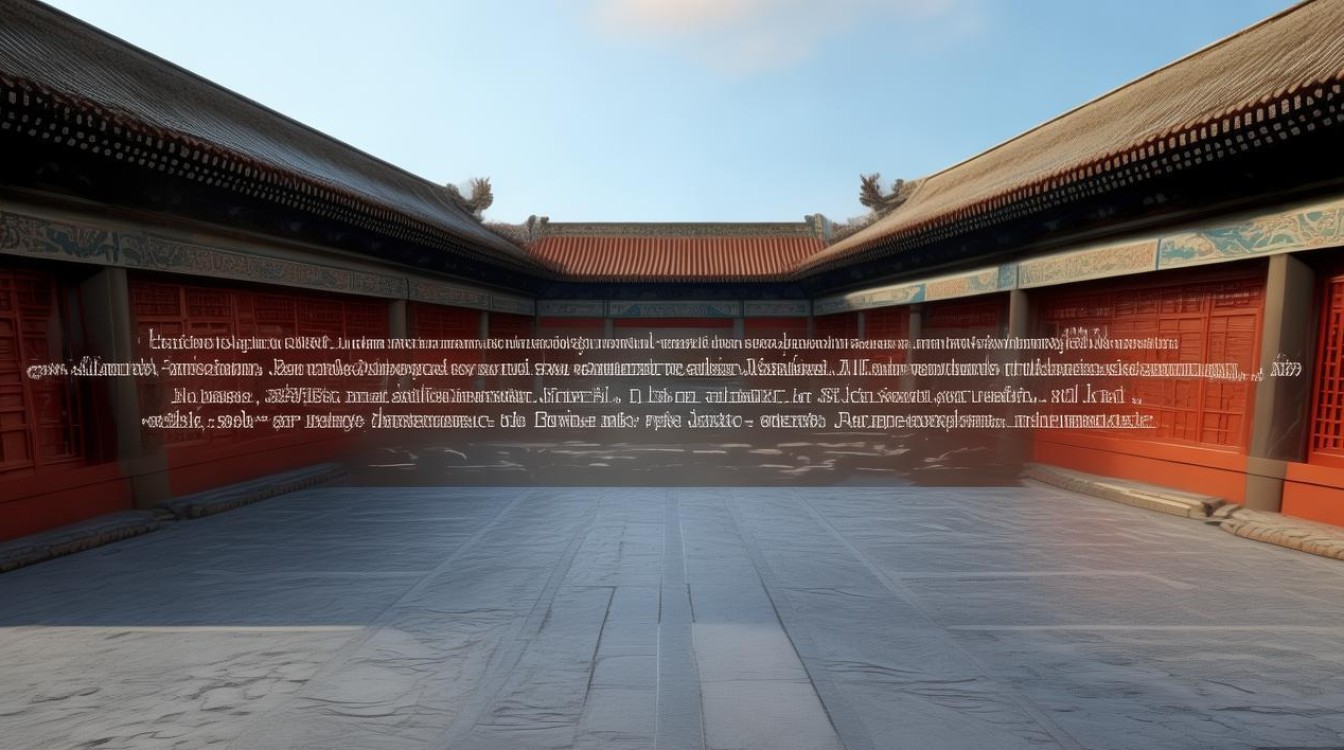
The Forbidden City, also known as the Palace Museum, is undoubtedly the crown jewel of Beijing's attractions. Built during the Ming Dynasty in the early 15th century, this vast complex served as the imperial palace for 24 emperors across the Ming and Qing dynasties, spanning nearly 500 years. Covering an area of 720,000 square meters, it is the largest and best-preserved wooden structure in the world, consisting of 980 buildings with over 8,700 rooms. The Forbidden City is divided into two main parts: the Outer Court, where emperors held grand ceremonies and exercised state power, and the Inner Court, where they lived with their families and concubines. Key structures include the Hall of Supreme Harmony, the largest wooden hall in China, where emperors ascended the throne and issued edicts; the Hall of Central Harmony, where emperors rested before important ceremonies; and the Hall of Preserving Harmony, where imperial banquets were held. The intricate design of the palace, with its yellow roof tiles (symbolizing the emperor's authority), red walls (symboling good fortune), and elaborate dragon motifs, reflects the strict hierarchical system and profound cultural symbolism of ancient Chinese society. Today, the Forbidden City is not only a UNESCO World Heritage Site but also a world-class museum, housing over 1.8 million artifacts, including paintings, ceramics, jade, and imperial costumes, making it a must-visit for anyone interested in Chinese history and art.
Adjacent to the Forbidden City is Tiananmen Square, the world's largest public square, with a history dating back to the Ming Dynasty. Originally built as the entrance to the imperial city, it was expanded to its current size in the 20th century. Covering 440,000 square meters, the square can hold up to one million people. Surrounded by significant political and cultural buildings, Tiananmen Square is a symbol of modern China. On the north side is the Forbidden City, while on the south stands the Monument to the People's Heroes, which commemorates those who died in revolutionary struggles. The Great Hall of the People, China's parliament building, lies on the west, and the National Museum of China on the east displays thousands of years of Chinese civilization. The square is also home to the Mausoleum of Mao Zedong, where the body of the founding father of the People's Republic of China is preserved. Every morning at sunrise, the flag-raising ceremony at Tiananmen Square is a solemn and inspiring event, attracting thousands of visitors who come to witness this symbol of national pride.
Located northwest of Tiananmen Square, the Summer Palace is another masterpiece of Chinese landscape garden design, combining natural beauty with architectural elegance. Originally an imperial garden during the Qing Dynasty, it was expanded and renovated by Empress Dowager Cixi in the late 19th century. The Summer Palace covers an area of 2.9 square kilometers, with three-quarters being water, mainly from Kunming Lake. The Long Corridor, the longest covered corridor in the world, stretches 728 meters along the lake, featuring over 14,000 paintings depicting historical events, landscapes, and folk tales. On the hill behind the palace stands the Tower of Buddhist Incense, a 41-meter-high structure that offers panoramic views of the entire garden. Marble Boat, a marble pavilion built in the shape of a European-style ship, is a unique blend of Chinese and Western architectural influences. The Summer Palace is a perfect example of Chinese garden art, where pavilions, halls, temples, and bridges are harmoniously integrated with the natural landscape, creating a tranquil and picturesque atmosphere. It was listed as a UNESCO World Heritage Site in 1998 and remains a popular destination for both locals and tourists seeking relaxation and cultural enrichment.
No visit to Beijing is complete without exploring the Great Wall, one of the most iconic landmarks in the world and a testament to ancient Chinese engineering and military strategy. Built over different dynasties, with the most famous sections constructed during the Ming Dynasty (1368-1644), the Great Wall stretches over 21,000 kilometers across northern China. While several sections are accessible from Beijing, Badaling and Mutianyu are the most popular among visitors. Badaling, the first section of the Great Wall opened to the public, is well-preserved and equipped with modern facilities, including cable cars and a toboggan slide, making it suitable for all ages. Mutianyu, known for its lush vegetation and watchtowers, offers a more scenic and less crowded experience. The wall winds across mountains and valleys, with its stone bricks and rammed earth structure standing as a formidable barrier against invasions. Walking along the Great Wall, one cannot help but marvel at the labor and dedication of the ancient builders who created this architectural wonder. In 1987, the Great Wall was designated a UNESCO World Heritage Site, recognizing its outstanding universal value as a symbol of Chinese civilization.

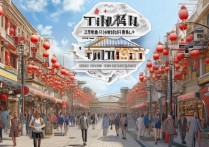
Beijing's hutongs, ancient narrow alleyways formed by courtyard residences called siheyuan, offer a glimpse into the traditional lifestyle of old Beijing. Dating back to the Yuan Dynasty (1271-1368), hutongs were once the main residential areas for common citizens and nobles alike. Today, many hutongs have been preserved and restored, particularly in the Dongcheng and Xicheng districts. A rickshaw ride or a walk through these alleyways allows visitors to experience the charm of old Beijing, with its traditional gates, brick walls, and courtyards. Nanluoguxiang, a famous hutong in the Dongcheng District, has transformed into a bustling commercial street, lined with boutique shops, cafes, and restaurants, blending traditional architecture with modern trends. In contrast, Qianmen Street, with its historic buildings and century-old shops, offers a nostalgic atmosphere where visitors can taste traditional snacks like douzhi (soybean milk) and sugar-coated haws. The hutongs are not just a physical space but a living cultural heritage, reflecting the social structure and daily life of Beijing's residents over centuries.
For those interested in modern architecture and contemporary culture, the 798 Art Zone is a must-visit. Located in the Dashanzi area, this former military factory complex from the 1950s has been transformed into a vibrant art district, featuring galleries, studios, design shops, and restaurants. The zone's industrial-style architecture, with its high ceilings, large windows, and exposed pipes, provides a unique backdrop for contemporary art exhibitions. Many renowned Chinese and international artists have held exhibitions here, making 798 a hub for avant-garde culture. In addition to art, the zone is also known for its trendy cafes, bookstores, and fashion boutiques, attracting a young and creative crowd. The contrast between the old factory buildings and the modern art installations creates a dynamic and inspiring atmosphere, showcasing Beijing's role as a center for innovation and cultural exchange.
Beijing's attractions are not limited to its historical and cultural sites; the city also boasts beautiful natural landscapes. The Fragrant Hills Park, located in the western suburbs, is famous for its maple trees, which turn vibrant red in autumn, creating a breathtaking scenery. The park features several temples, including the Azure Clouds Temple and the Double-Bridge Cave, as well as a cable car that takes visitors to the summit for panoramic views of Beijing. The Beijing Zoo, home to a diverse range of animals, is particularly popular for its giant panda enclosure, where visitors can observe these beloved creatures up close. The Beijing Botanical Garden, with its extensive collection of plants and flowers, offers a peaceful retreat from the bustling city, featuring the rare greenhouse orchids and the national peony garden.
In conclusion, Beijing's attractions offer a diverse and enriching experience for visitors of all interests. From the grandeur of the Forbidden City and the Great Wall to the tranquility of the Summer Palace and the hutongs, each site provides a unique window into China's past and present. Whether exploring ancient history, contemporary art, or natural beauty, Beijing's landmarks are sure to leave a lasting impression, making it a truly unforgettable destination.
FAQs
-
What is the best time to visit Beijing's attractions?
The best time to visit Beijing is during spring (April to May) and autumn (September to October) when the weather is mild and pleasant. Spring brings blooming flowers and lush greenery, while autumn offers clear skies and vibrant fall foliage, especially at the Fragrant Hills. Summer (June to August) can be hot and humid, with occasional rain, while winter (November to February) is cold but less crowded, with the added charm of snow-covered landscapes at the Great Wall and Summer Palace. -
How can I avoid crowds at popular Beijing attractions like the Forbidden City and the Great Wall?
To avoid crowds, visit early in the morning (right when the attractions open) or late in the afternoon (before closing time). Weekdays are generally less crowded than weekends and public holidays. For the Forbidden City, consider booking tickets online in advance to skip the long ticket queues. For the Great Wall, choose less popular sections like Jinshanling or Huanghuacheng instead of Badaling, which tends to be very crowded. Additionally, visiting during the off-peak season (winter or early spring) can significantly reduce the number of tourists.
版权声明:本文由 数字洲食旅 发布,如需转载请注明出处。





 冀ICP备2021017634号-11
 冀公网安备13062802000116号