

南京旅游景点英文介绍有哪些实用指南?
Nanjing, the capital city of Jiangsu Province, is a historic and cultural treasure trove with over 2,500 years of history. As one of China's Four Great Ancient Capitals, Nanjing has witnessed the rise and fall of numerous dynasties, leaving behind a rich tapestry of historical sites, cultural landmarks, and natural landscapes. For international travelers seeking to explore China's profound heritage, Nanjing offers a captivating blend of ancient traditions and modern vibrancy. This guide provides a detailed introduction to Nanjing's top tourist attractions in English, helping visitors plan an unforgettable journey through this remarkable city.
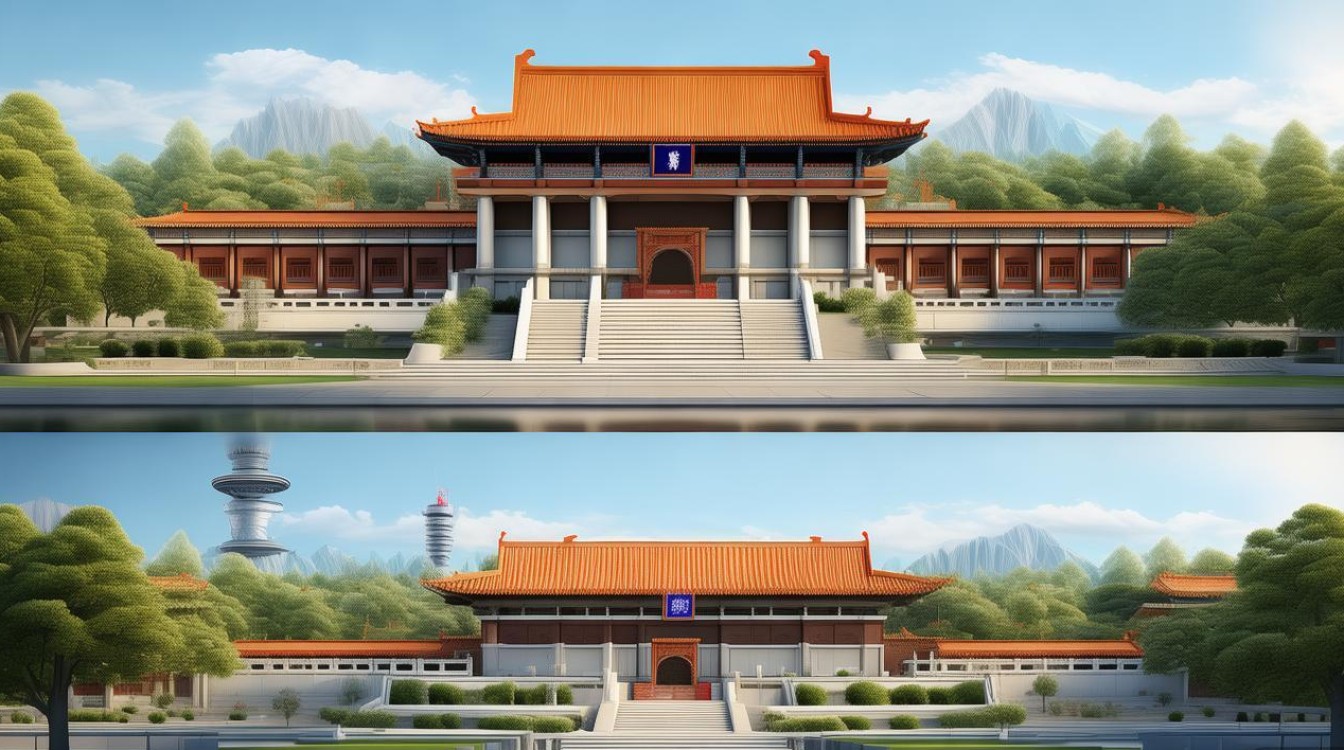
Historical and Cultural Landmarks
Nanjing's historical significance is most evident in its well-preserved relics from various dynasties. The Presidential Palace (Zongtong Fu) stands as a testament to the city's role in modern Chinese history. Originally built during the Ming Dynasty as the office of the Viceroy of Liangjiang, it later served as the presidential residence of Sun Yat-sen, the first president of the Republic of China, and Chiang Kai-shek. The palace complex features a mix of Chinese and Western architectural styles, with halls, gardens, and exhibitions that chronicle China's political evolution from the late Qing Dynasty to the mid-20th century. Visitors can explore the former living quarters, meeting rooms, and extensive displays of historical documents, photographs, and artifacts.
Another must-visit site is the Ming Xiaoling Mausoleum, the tomb of the Hongwu Emperor, Zhu Yuanzhang, the founding emperor of the Ming Dynasty. Designated a UNESCO World Heritage Site as part of the Imperial Tombs of the Ming and Qing Dynasties, the mausoleum is renowned for its grand scale and harmonious integration with natural scenery. The Sacred Way, a 3.1-kilometer path lined with stone statues of mythical beasts and officials, leads to the tomb entrance, creating a solemn and majestic atmosphere. The surrounding Purple Mountain (Zijin Shan) area is also home to other historical sites, such as the Linggu Temple and the Sun Yat-sen Mausoleum, making it a cultural and natural hub.
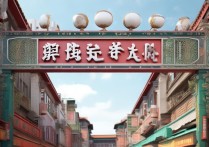
The Confucius Temple (Fuzi Miao) is a vibrant cultural complex that dates back to the Song Dynasty. Located along the Qinhuai River, the temple is surrounded by traditional Chinese architecture, bustling markets, and teahouses. Visitors can stroll through the ancient streets, sample local snacks, and admire the intricate carvings and pavilions. At night, the area comes alive with colorful lanterns, boat tours on the Qinhuai River, and traditional performances, offering a glimpse into Nanjing's rich folk culture. The nearby Gongyuan, the ancient imperial examination hall, provides further insight into China's traditional education system.
Memorial Sites and Modern History
Nanjing's modern history is marked by tragic events, and the city has established several memorial sites to honor the victims and promote peace. The Memorial Hall of the Victims in Nanjing Massacre by Japanese Invaders is a solemn and moving tribute to the hundreds of thousands of people killed during the 1937 Nanjing Massacre. The hall features exhibitions of historical photographs, documents, and personal artifacts, as well as a hall with the names of the victims and a peace memorial. The outdoor exhibits include a wall inscribed with the names of the victims and a "Peace Bell," symbolizing the importance of remembrance and reconciliation.
The Yuejiang Tower, located on a cliff overlooking the Yangtze River, is another significant modern landmark. Built during the Ming Dynasty and reconstructed in 2001, the tower is famous for its panoramic views of the river and the city. Its name, meaning "Overlooking the Yangtze," reflects its strategic importance. The tower's architecture combines traditional Chinese elements with modern design, and it houses museums showcasing Nanjing's history and culture. Climbing to the top offers breathtaking vistas, especially at sunset when the river glows in the golden light.
Natural Scenic Spots
Beyond its historical and cultural attractions, Nanjing boasts beautiful natural landscapes that provide a refreshing contrast to its urban environment. Xuanwu Lake, one of the three most famous lakes in China, is a serene oasis in the heart of the city. Surrounded by the city walls and lush greenery, the lake is divided into five sections by dykes and islands, each with its own unique scenery. Visitors can take a leisurely boat ride, cycle around the lake, or explore the Zixia Island, home to ancient temples and pavilions. The lake is particularly stunning in spring and autumn when cherry blossoms and maple trees paint the landscape in vibrant colors.
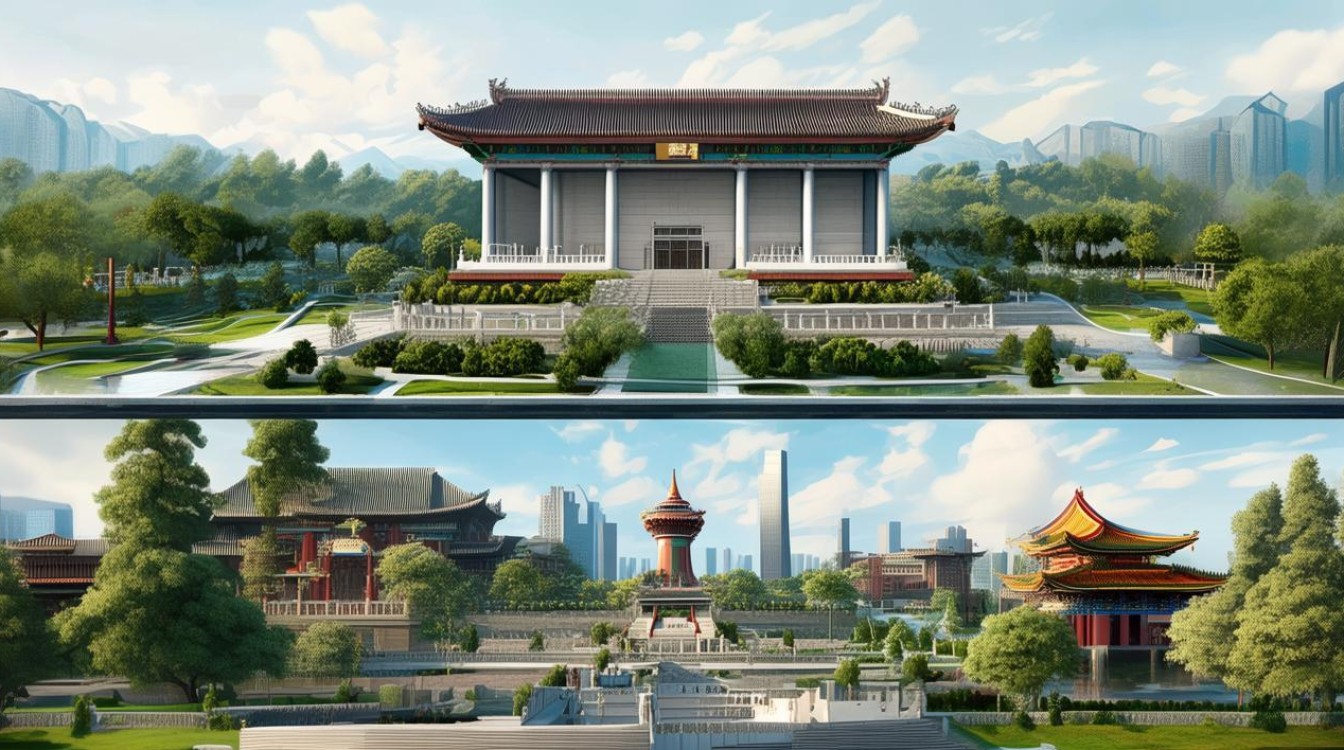
The Purple Mountain Scenic Area is a vast natural park that encompasses numerous historical sites and natural attractions. In addition to the Ming Xiaoling Mausoleum and Sun Yat-sen Mausoleum, the area features the Meiling Palace, a former residence of Chiang Kai-shek, and the Zijin Observatory, one of China's oldest astronomical observatories. The mountain's dense forests, winding trails, and panoramic views make it a popular destination for hiking and nature enthusiasts. During spring, the cherry blossoms along the Purple Mountain Road attract thousands of visitors, creating a spectacular floral display.
Modern Attractions and Entertainment
Nanjing also offers a range of modern attractions that cater to contemporary tastes. Nanjing Eye, a Ferris wheel built on the Yangtze River Bridge, is the world's largest Ferris wheel with a bridge structure. It offers a unique perspective of the river and the city, especially at night when the wheel is illuminated with colorful lights. The nearby Youth Olympic Park, built for the 2014 Summer Youth Olympics, features sports facilities, gardens, and cultural centers, making it a hub for recreation and entertainment.
For shopping and dining, the Decong Road Pedestrian Street and 1912 Block are popular destinations. Decong Road is known for its mix of international brands and local boutiques, while 1912 Block is a trendy area featuring restored historic buildings housing restaurants, bars, and cafes. The area comes alive at night with live music and a vibrant atmosphere, offering a modern contrast to Nanjing's ancient sites.
Accommodation and Transportation
Nanjing offers a wide range of accommodation options to suit different budgets and preferences. Luxury hotels such as the InterContinental Nanjing and Four Seasons Hotel Nanjing provide world-class amenities and stunning views, while boutique hotels in the Confucius Temple area offer a more intimate and culturally immersive experience. For budget travelers, there are numerous hostels and guesthouses scattered throughout the city.
Getting around Nanjing is convenient thanks to its efficient public transportation system. The city's metro network covers most major attractions, with trains running frequently and fares starting at just a few yuan. Buses and taxis are also readily available, and ride-hailing apps like Didi are widely used. For a more scenic mode of transport, visitors can take a boat tour on the Qinhuai River or the Yangtze River, which offer unique perspectives of the city's landmarks.
Local Cuisine
No visit to Nanjing is complete without trying its famous local cuisine. Nanjing dishes are known for their fresh ingredients and delicate flavors, with a focus on soups and seafood. Duck Blood and Vermicelli Soup (Yue'er Cha) is a local specialty, featuring tender duck blood, vermicelli, and a savory broth. Salted Duck (Yan Shu Ya) is another must-try dish, with a crispy skin and tender meat that is marinated in a blend of spices and herbs. For those with a sweet tooth, Eight Treasures Rice Pudding (Babao Zhou) is a popular dessert made with glutinous rice, red beans, and a variety of nuts and fruits.

Best Time to Visit
The best time to visit Nanjing is during spring (March to May) and autumn (September to November), when the weather is mild and the scenery is at its most beautiful. Spring is particularly lovely, with cherry blossoms and other flowers blooming throughout the city. Autumn offers clear skies and comfortable temperatures, making it ideal for outdoor activities. Summer (June to August) can be hot and humid, with occasional rain showers, while winter (December to February) is cold but less crowded, with the possibility of snow covering the ancient sites in a picturesque blanket.
Tips for Travelers
When visiting Nanjing, it is advisable to wear comfortable shoes, as many attractions involve walking and climbing stairs. It is also helpful to learn a few basic Chinese phrases, although English is spoken in most tourist areas and hotels. To make the most of your trip, consider purchasing a Nanjing Travel Card, which provides discounts on transportation and admission to attractions. Finally, be respectful of the memorial sites, maintaining a solemn demeanor when visiting places like the Nanjing Massacre Memorial Hall.
Related FAQs
Q1: What is the best way to explore Nanjing's historical sites in a limited time?
A1: If you have limited time, focus on the most significant historical landmarks such as the Presidential Palace, Ming Xiaoling Mausoleum, and Confucius Temple. Consider hiring a local guide or joining a half-day tour to gain deeper insights into the history and culture. The metro is an efficient way to get between these sites, and purchasing a combination ticket for multiple attractions can save time and money.
Q2: Are there any special events or festivals in Nanjing that travelers should experience?
A2: Nanjing hosts several vibrant festivals throughout the year. The International Plum Blossom Festival (February to March) at the Plum Blossom Hill showcases thousands of blooming plum blossoms, while the Qinhuai River Lantern Festival (January or February) features colorful lantern displays and boat parades. In autumn, the Purple Mountain Red Maple Festival (November to December) attracts visitors with its stunning foliage. These festivals offer a unique opportunity to experience Nanjing's natural beauty and cultural traditions.
In conclusion, Nanjing is a city that seamlessly blends ancient history with modernity, offering a wealth of attractions for every type of traveler. From its solemn memorial sites to its lively markets and scenic landscapes, Nanjing provides a captivating journey through China's past and present. Whether you are a history enthusiast, a nature lover, or a foodie, Nanjing promises an unforgettable experience that will leave you with a deeper appreciation for China's rich cultural heritage.
版权声明:本文由 数字洲食旅 发布,如需转载请注明出处。








 冀ICP备2021017634号-11
 冀公网安备13062802000116号